


Topic portal
Collective bargaining and labour relations
Collective bargaining is a fundamental right. It is rooted in the ILO Constitution and reaffirmed as such in the 1998 ILO Declaration on Fundamental Principles and Rights at Work. Collective bargaining is a key means through which employers and their organizations and trade unions can establish fair wages and working conditions. It also provides the basis for sound labour relations.
Typical issues on the bargaining agenda include wages, working time, training, occupational health and safety and equal treatment. The objective of these negotiations is to arrive at a collective agreement that regulates terms and conditions of employment. Collective agreements may also address the rights and responsibilities of the parties thus ensuring harmonious and productive industries and workplaces. Enhancing the inclusiveness of collective bargaining and collective agreements is a key means for reducing inequality and extending labour protection.
News and stories

Lesotho trade union leaders strengthened capacity to advance social dialogue

Commission of Inquiry concerning Nicaragua holds its first meeting
Key Normative Instruments on Collective Bargaining
Highlighted publications
Publication
A Review of Wage Setting through Collective Bargaining
Flagship Report
Social Dialogue Report 2022: Collective bargaining for an inclusive, sustainable and resilient recovery
A policy guide
Collective bargaining - a policy guide
ILO Working Paper 143
Collective bargaining and collective action in the platform economy
ILO Working Paper 144
Global case studies of social dialogue on AI and algorithmic management
Guidebook
How and why to collect and use data on industrial relations
Latest publications and documents
Research brief
Engaging informal economy actors in trade and labour policy in Africa
Trade, Investment and Decent Work in Africa
Social dialogue for sustainable trade and investment, the case of South Africa
Databases
Industrial Relations Data (IRData)
SDG indicator 8.8.2 (ILOSTAT)
E-Learning and Training

21 September 2026 - 2 July 2027 (Online)
Master in Industrial and Employment Relations (2026/2027)

Self-learning tool
Industrial Relations Toolkit

25–29 May 2026
Negotiation skills for effective collective bargaining

Learning path
Conciliation/mediation of labour disputes
Projects

ESDC-Funded Project
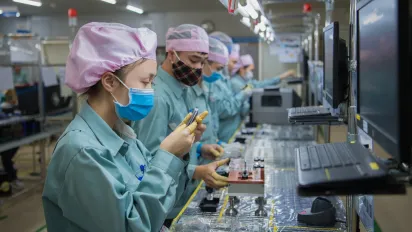
Expanding Action on Forced Labour and Child Labour to Advance Fundamental Principles and Rights at Work (FPRW) in Malaysia
Public-Private Partnership
Responsible Electronics - Phase III

Labour administration
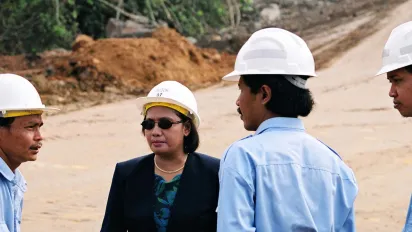
Improving Labour Governance in Papua New Guinea
Contact us
For more information or to reach out to our team and global network of experts, please contact the ILO’s Social Dialogue, Labour Relations and Governance of Work Branch (LABGOV) at [email protected].
See also
Topic portal
Labour administration

Topic portal
Social dialogue and tripartism

Topic portal
Safety and health at work

Topic portal
Labour law

Topic portal
Wages

Topic portal
Working time and work organization
Topic portal
Labour dispute prevention and resolution

Thematic page
Grievance handling and access to remedy

Thematic page
Employment protection

Thematic page
The employment relationship
Topic portal
Labour inspection