

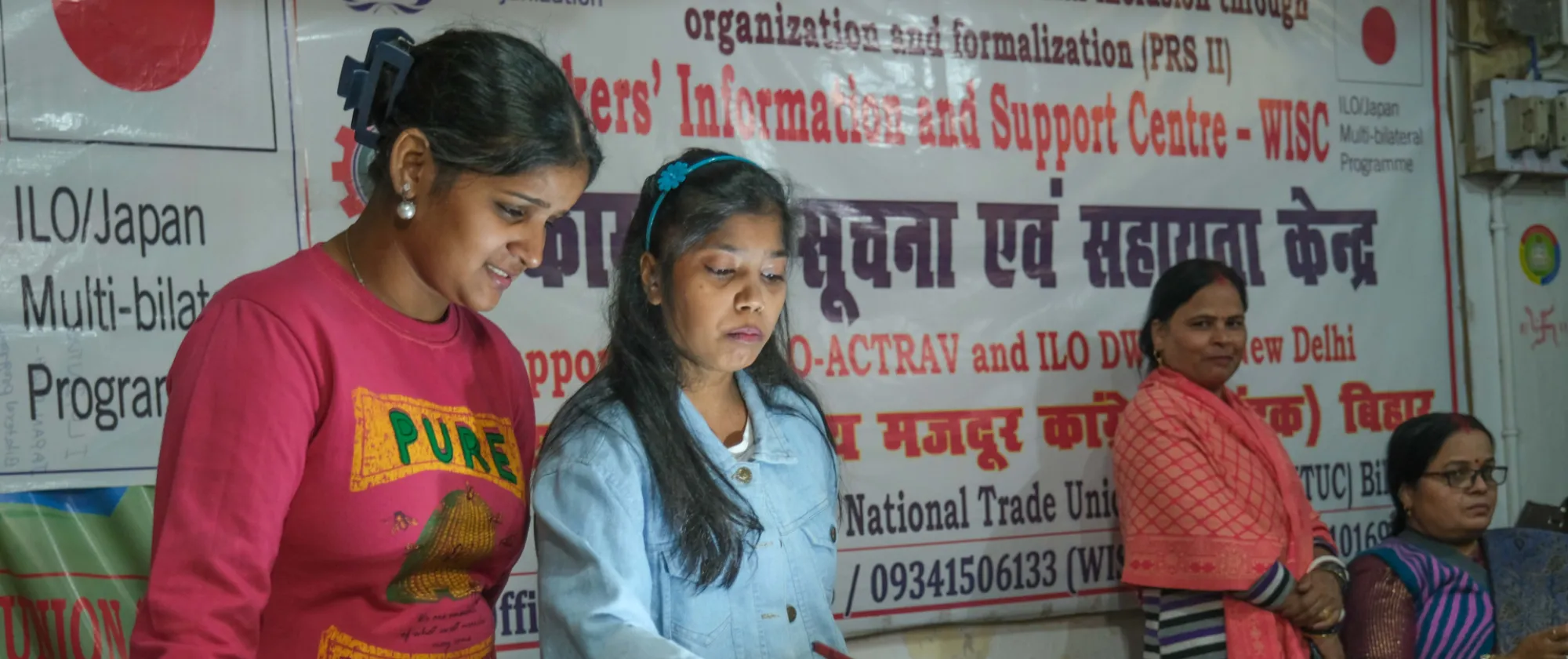
Promoting rights and social inclusion through organization and formalization (PRS) – Phase 2: India Component
The project contributes to the reduction of decent work deficits and gender inequalities in the informal economy and promote the transition to the formal economy in Nepal, India and Pakistan. This page has information for the India component of the project.
Duration
1 December 2022 - 31 October 2026
Development partner(s)
ILO/Japan Multi-bilateral Programme
Reference
RAS/22/12/JPN
Location
India
Contact
Ms. Baishali Lahiri, National Project Coordinator
Background
India’s labour market is highly informal, with around 83 per cent of workers employed in the informal sector, particularly in rural areas and among self-employed and casual labourers. Many informal workers lack access to paid leave, written contracts, social security, and legal protections. Workers in domestic, sanitation, construction, and home-based sectors are among the most marginalized.
The Government of India has advanced formalization through initiatives such as the e-Shram portal, National Social Assistance Programme (NSAP), Pradhan Mantri Shram Yogi Maandhan Yojana (PM-SYM) pension scheme, skill development programs, and sector-specific strategies and policies to support informal workers. India’s Decent Work Country Programme and its commitments under the UN Sustainable Development Cooperation Framework further promote inclusive growth, social protection, and decent employment, providing a key pathway toward formalization.
In this context, the PRS Project works closely with social partners and government to address decent work deficits and gender inequalities in the informal economy, promote formalization, and strengthen partnerships and coordination among policymakers, employers’ organizations, and workers’ organizations to tackle informality and gender inequality.
Project Objective
The project supports the transition of informal economy workers and economic units to formality while reducing decent work deficits. Key objectives include:
- Strengthening the capacity of employers’ and workers’ organizations to promote formalization and gender equality.
- Enhancing partnerships and coordination among stakeholders to implement policy actions.
- Raising awareness among the public and stakeholders about the challenges faced by informal workers.
The project also contributes to stronger institutional capacities, social dialogue, and the application of national laws and international labour standards.
Areas covered
Sectors: Construction, domestic work, sanitation
States: Bihar, Maharashtra, and Kerala
Partners
Government: Ministry of Labour and Employment (MOLE), Ministry of Social Justice and Empowerment (MoSJE), National Safai Karamcharis Finance & Development Corporation (NSKFDC), Labour Departments of Bihar, Kerala, and Maharashtra.
Trade Unions: Central trade unions at the national level and their state counterparts.
Employers Organizations: Confederation of Indian Industry (CII), All India Organization of Employers (AIOE), Employers Federation of India (EFI).
Target beneficiaries
Informal workers and economic units in Bihar, Maharashtra, and Kerala are the primary beneficiaries. The project also strengthens the capacities of government agencies, employers’ organizations, and workers’ organizations to better represent and support informal workers.
Related content
Cooperatives create new livelihood pathways for informal workers in India

ILO participates in open discussion on “Dignity and liberty of individuals: Rights of manual scavengers”
Stakeholder meeting in Kerala promotes decent work for domestic workers

Labour laws in contemporary times – challenges and opportunities
Gender equality
Creating opportunities for women in construction in India: A call for action
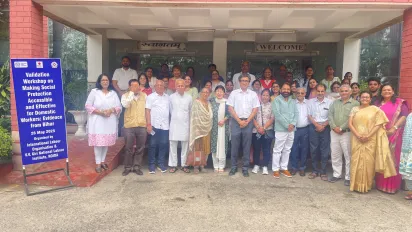
Making social protection accessible and effective for domestic workers with evidence from Bihar: Key insights on the way forward
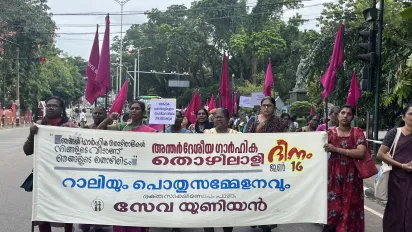
SEWA Kerala conducts campaigns and dialogue to advance recognition and decent work for domestic workers
Core sanitation
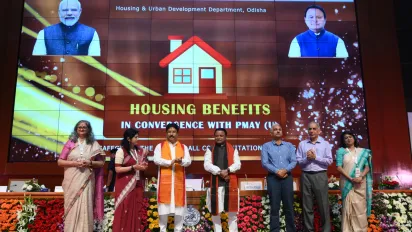
National workshop on transforming core sanitation work: safety, dignity & inclusion

Development cooperation project
Promoting rights and social inclusion through organization and formalization (PRS) – Phase 2
Responsible business practices and gender equality
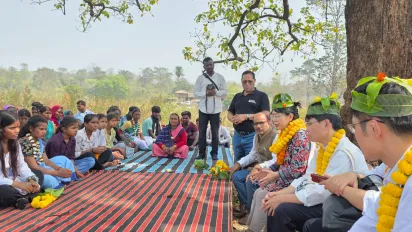
Japan-funded initiatives advance child labour elimination and formalisation in India
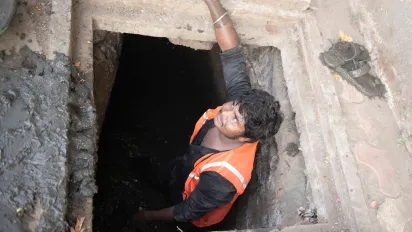
National dialogue calls for stronger protections and zero fatalities in sanitation work in India
Story of change
Fear disappears when we are not alone: Komal Devi’s journey of empowerment
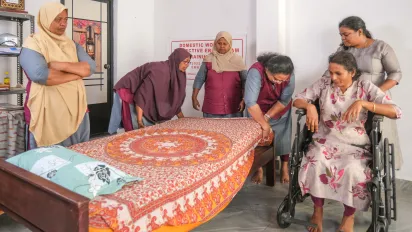
Dignity at work, inside every home: Unionising Bihar’s domestic workers
Story of change
Fear disappears when we are not alone: Komal Devi’s journey of empowerment
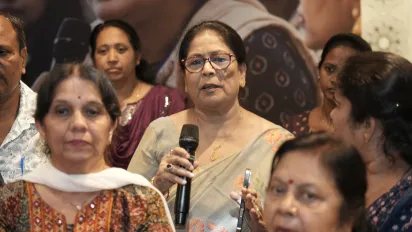
Building gender-responsive trade unions: Strengthening women's leadership and representation