

Core sanitation
National workshop on transforming core sanitation work: safety, dignity & inclusion
The national workshop on core sanitation work in Odisha showcased the Garima model, focusing on safety, dignity, and inclusion of sanitation workers through policy, innovation, and cross-state collaboration.
26 July 2025
The national workshop on Transforming Core Sanitation Work: Safety, Dignity & Inclusion in Bhubaneswar brought together key stakeholders from across India to reflect on the systemic changes required to ensure safety, dignity and inclusion for sanitation workers. The two-day event showcased Odisha’s pioneering Garima scheme and fostered dialogue on scaling worker-centric reforms nationwide.
The event organized by the State Government of Odisha (GoO) in collaboration with the Ministry of Social Justice and Empowerment and Ministry of Housing and Urban Development, Government of India, and the Urban Management Centre witnessed the participation of state and central government officials, ULB representatives, frontline workers, civil society organizations from 12 states, along with international development agencies such as UNICEF and the ILO.
The ILO’s PRS project is currently implementing measures to strengthen the institutional capacity of the stakeholders to represent and mainstream the specific needs of sewage and septic tank workers or core sanitation workers. In a stakeholder consultation earlier organized by the ILO, critical deficits identified in the core sanitation work included inadequate occupational safety, lack of social protection, and formal recognition of sanitation workers, leading to consensus on key priority actions that need to be promoted. These priorities included organizing core sanitation workers, raising awareness on their labour rights, institutional capacity building to promote better working conditions and strengthening partnerships among stakeholders.
As a follow-up from on these priorities, the PRS project is currently collaborating with the National Safai Karamchari Finance and Development Corporation (NSKFDC) within the Ministry of Social Justice and Empowerment to support the enumeration of sanitation workers through the NAMASTE application, aiming to strengthen data-driven inclusion and access to welfare schemes along with the Workers’ Information and Support Centre in the state of Bihar. Ms Baishali Lahiri, National Project Coordinator of the PRS project participated in the national workshop.
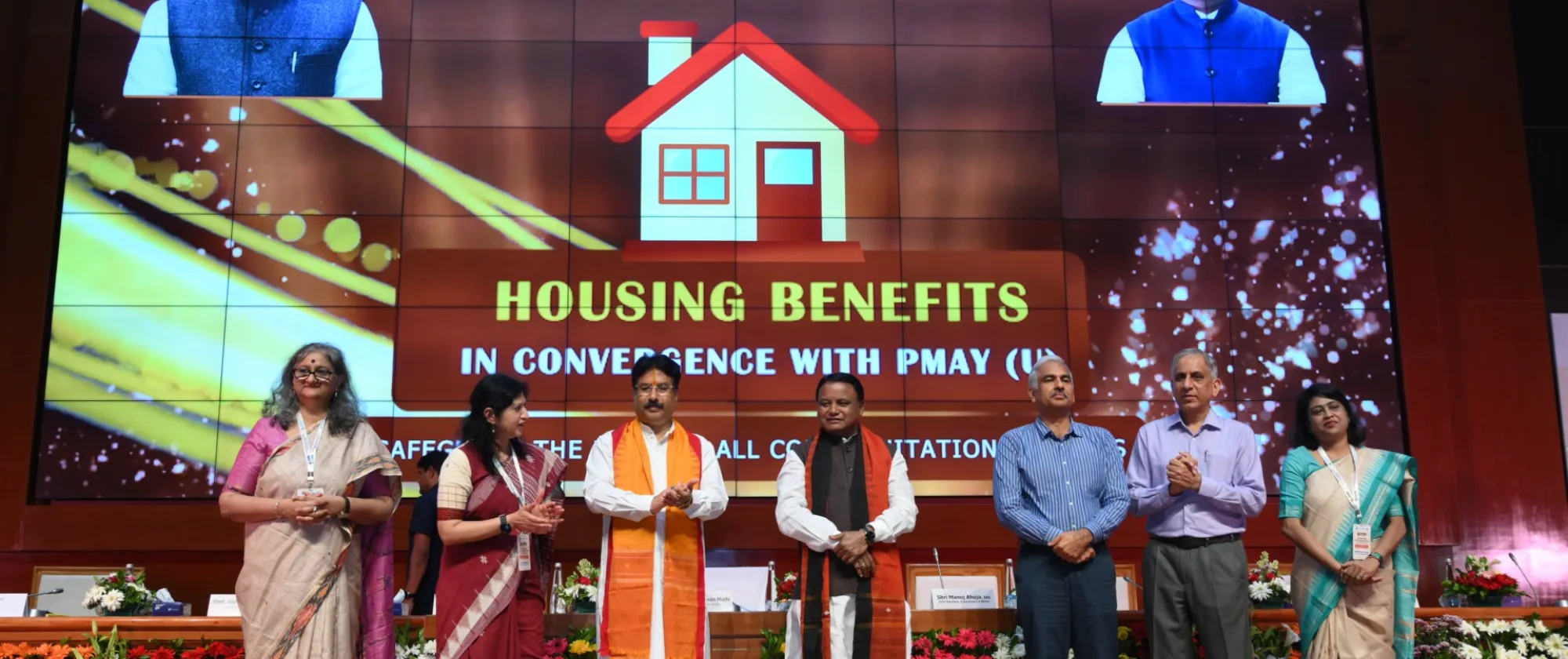
The workshop began with a welcome address by Ms Usha Padhee, Principal Secretary, HUDD, followed by addresses from senior officials including Mr Amit Yadav (IAS), Secretary, MoSJE and Mr Manoj Ahuja (IAS), Chief Secretary, GoO. The Hon’ble Chief Minister of Odisha, Mr Mohan Charan Majhi, inaugurated the workshop and launched key publications including 'The Garima Story', a detailed chronicle of Odisha’s efforts to institutionalize dignity, safety, and inclusion for sanitation workers through the Garima initiative, and a digital book, ‘Voices of Dignity’, a first-of-its-kind bilingual collection capturing the lived experiences of sanitation workers across Odisha, as they reclaim dignity and safety through the Garima journey.
During the workshop, the Government of Odisha made several landmark announcements. These included:
· ₹10 lakh life insurance scheme for sanitation workers engaged in hazardous work and ₹30 lakh compensation in the event of death during duty;
· providing mobile phones to Grade 1 sanitation workers; and
· Housing under the Pradhan Mantri Awas Yojana (Urban).
A 15-day state-wide Information, Education and Communication (IEC) campaign from August 15 to 30 2025 was announced to strengthen public awareness about sanitation.
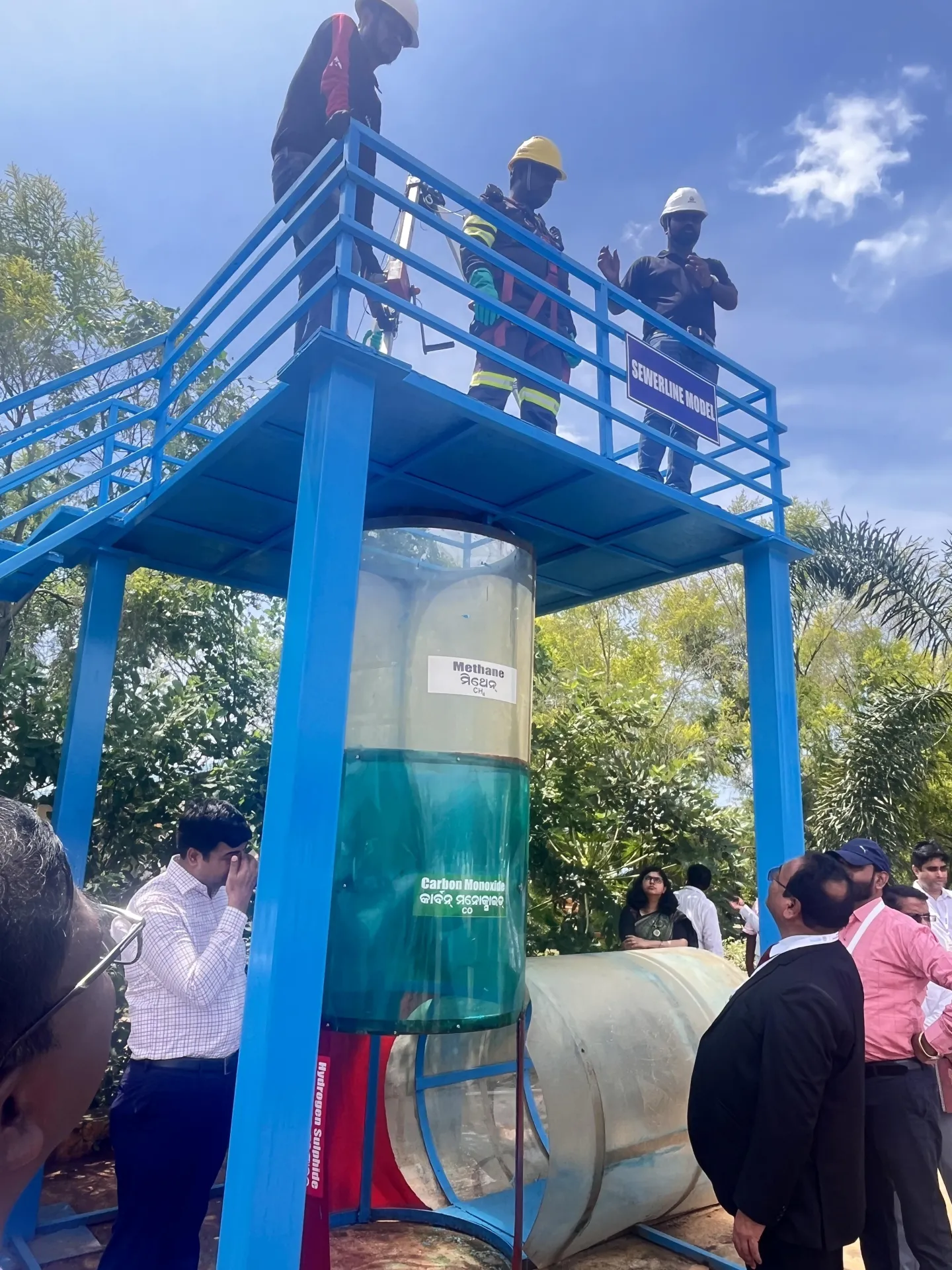
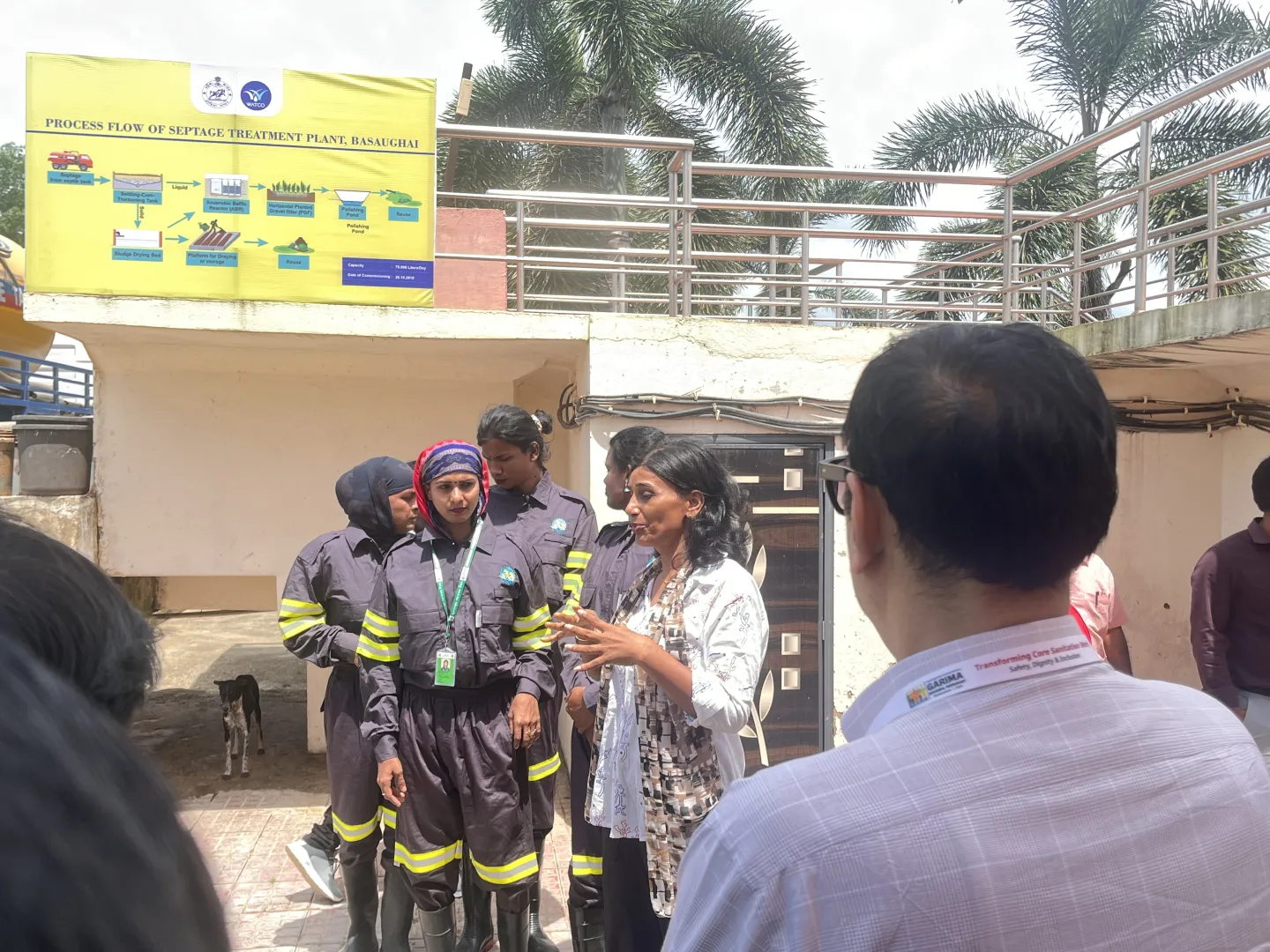
Over multiple technical sessions, participants discussed critical aspects of sanitation work: the importance of accurate enumeration, safety systems like Emergency Sanitation Response Units (ERSUs), mechanization and structured training for workers. Speakers from Odisha, Tamil Nadu, Maharashtra and national bodies, such as Ministry of Housing and Urban Affairs (MoHUA) and the Ministry of Social Justice & Empowerment (MoSJE), NSKFDC, shared insights on improving protocols, data systems, and institutional capacity. A dedicated exhibition showcased sanitation technology, PPE innovations, and worker-focused services, while the field visit to the Odisha Urban Academy provided hands-on exposure to inclusive training models and FSTP operations managed by a transgender-led group under the overall supervision of the state Government of Odisha and Urban Management Centre.
Another key feature of the workshop was the tête-à-tête with Garima Workers, where sanitation workers shared their lived experiences and spoke about how institutional support under Garima transformed their lives. The Urban Management Centre (UMC) supported the Garima scheme as a key technical partner by developing data systems, training modules, and safety protocols, helping institutionalize worker-centric sanitation reforms across urban Odisha. Technical experts from the Urban Management Centre, Ms Manvita Baradi, Founder and Director, UMC, Ms Meghna Malhotra, Deputy Director, Mr Xerxes Rao, Vice-President and Mr Anurag Anthony, Vice-President, enriched the workshop with insights on inclusive sanitation systems, data-driven approaches, and capacity-building frameworks under the Garima initiative while sharing their experiences and lessons learnt while designing, developing and implementing worker-oriented sustainable urban sanitation systems in Odisha.
Discussions emphasized that sewage and septic tank workers are not unskilled labourers but professionals who deserve full rights, recognition and protection. The participants put forth the need to address challenges such as the gender gap in PPE design/ provision, often at times intergenerational occupation of sanitation work, and the need for convergence across health, labour, housing, and education departments to holistically support workers' welfare. The Odisha government also declared that sewage and septic tank workers are recognized as skilled workers or professionals in Odisha. This recognition not only promoted better wages for these workers but also promoted dignity among sewage and septic tank workers while emphasizing that there is a need to foster positive behavioural change in public attitudes towards sanitation workers and the way they should be treated – that is with dignity and inclusion.
Ms Usha Padhee highlighted the systemic vision behind Garima — integrating occupational safety and health (OSH), skilling, insurance, and access to housing under one coherent framework. She noted that Odisha’s success has inspired replication in states like Tamil Nadu and Andhra Pradesh and influenced the Government of India’s NAMASTE scheme, which aims at ensuring the safety, dignity, and welfare of sanitation workers through enumeration, skill development, and social protection measures.
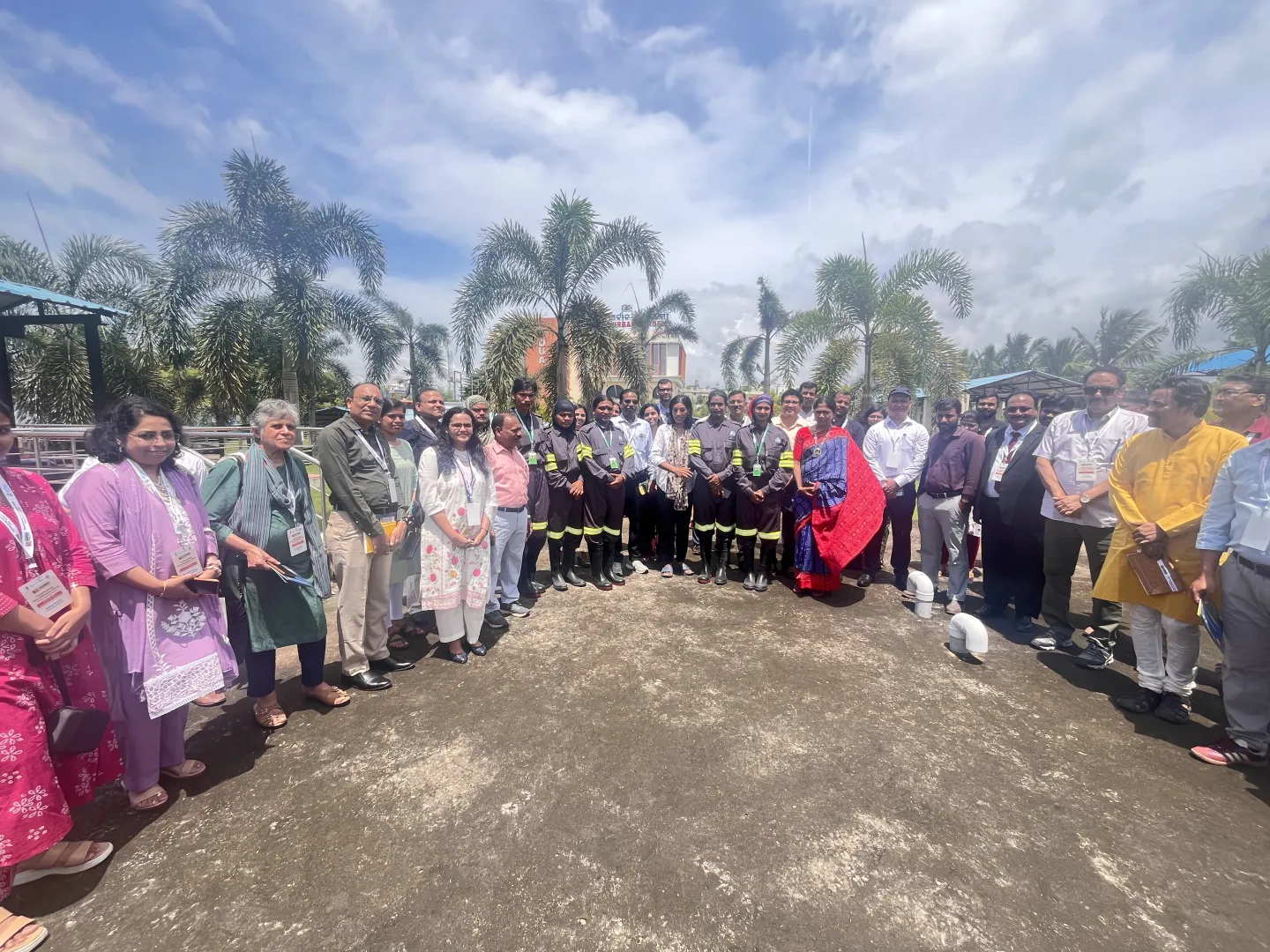
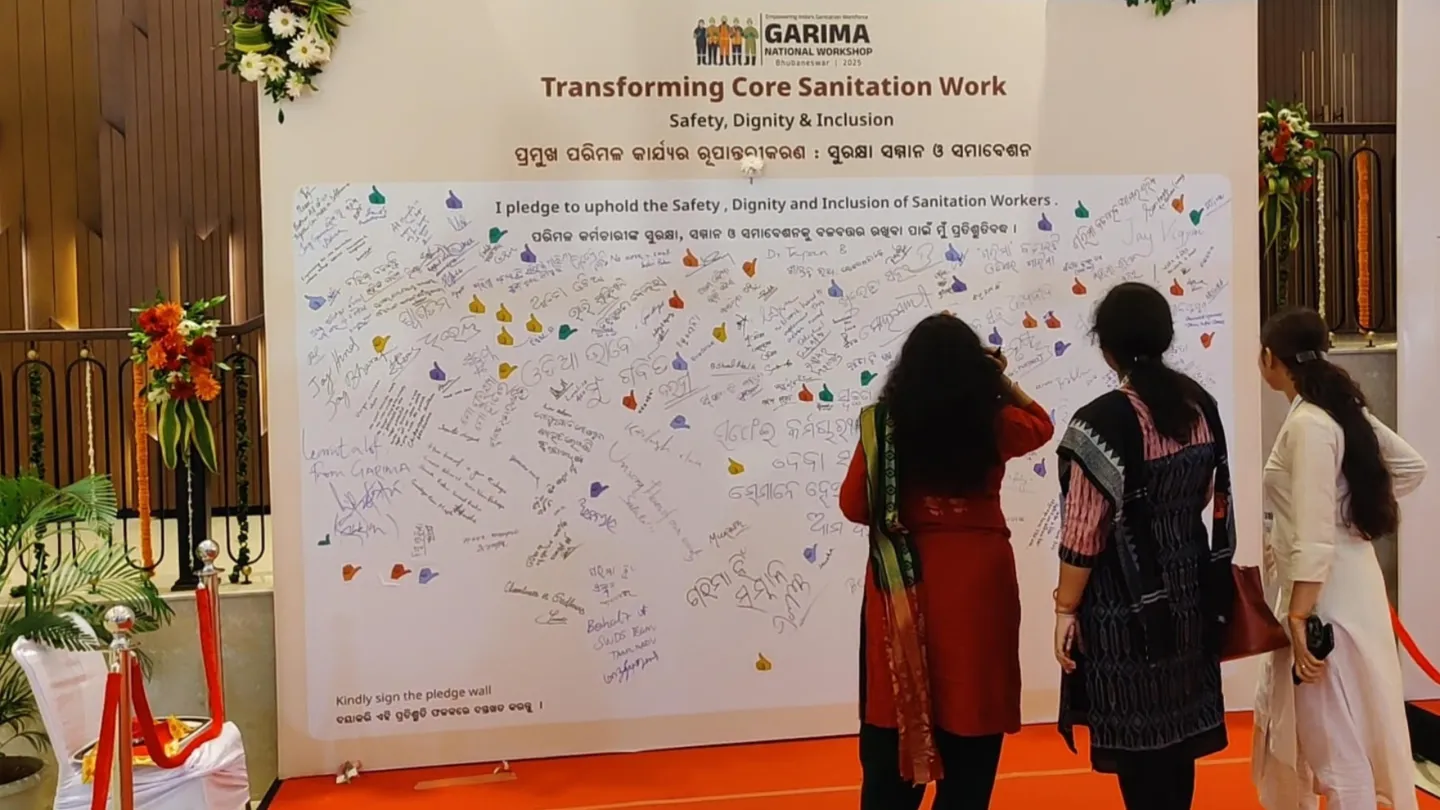
Other notable discussions in the workshop included the importance of recognizing sanitation work as skilled labour, ensuring access to personalized safety equipment, reducing work hours, and addressing climate-related risks in sanitation. UMC will also help in the formation and operationalization of an alliance of states and cities and organizations working towards sanitation workers' safety and the Bhubaneshwar declaration. Overall, the event underscored that sanitation workers are essential to the functioning and health of our cities. Their rights to safety, respect, and opportunities must be seen not as welfare but as justice. The workshop concluded with a pledge to uphold Safety, Security, and Inclusion and a commitment to make this an annual state-level platform for national knowledge exchange, with future themes aiming to expand livelihood opportunities for sanitation workers. In the valedictory session, the Hon’ble Minister of Housing & Urban Development, Dr Krushna Chandra Mahapatra, reiterated the government’s commitment to promote the dignity of sanitation workers. Ms Durgesh Nandini Sahoo delivered the vote of thanks, reaffirming the commitment to make sanitation a central theme of a Jan Andolan (people’s movement) focused on dignity, safety, and inclusion of sanitation workers.
Related content
Promoting rights and social inclusion through organization and formalization (PRS) – Phase 2: India Component