

ILO participates in open discussion on “Dignity and liberty of individuals: Rights of manual scavengers”
3 January 2025
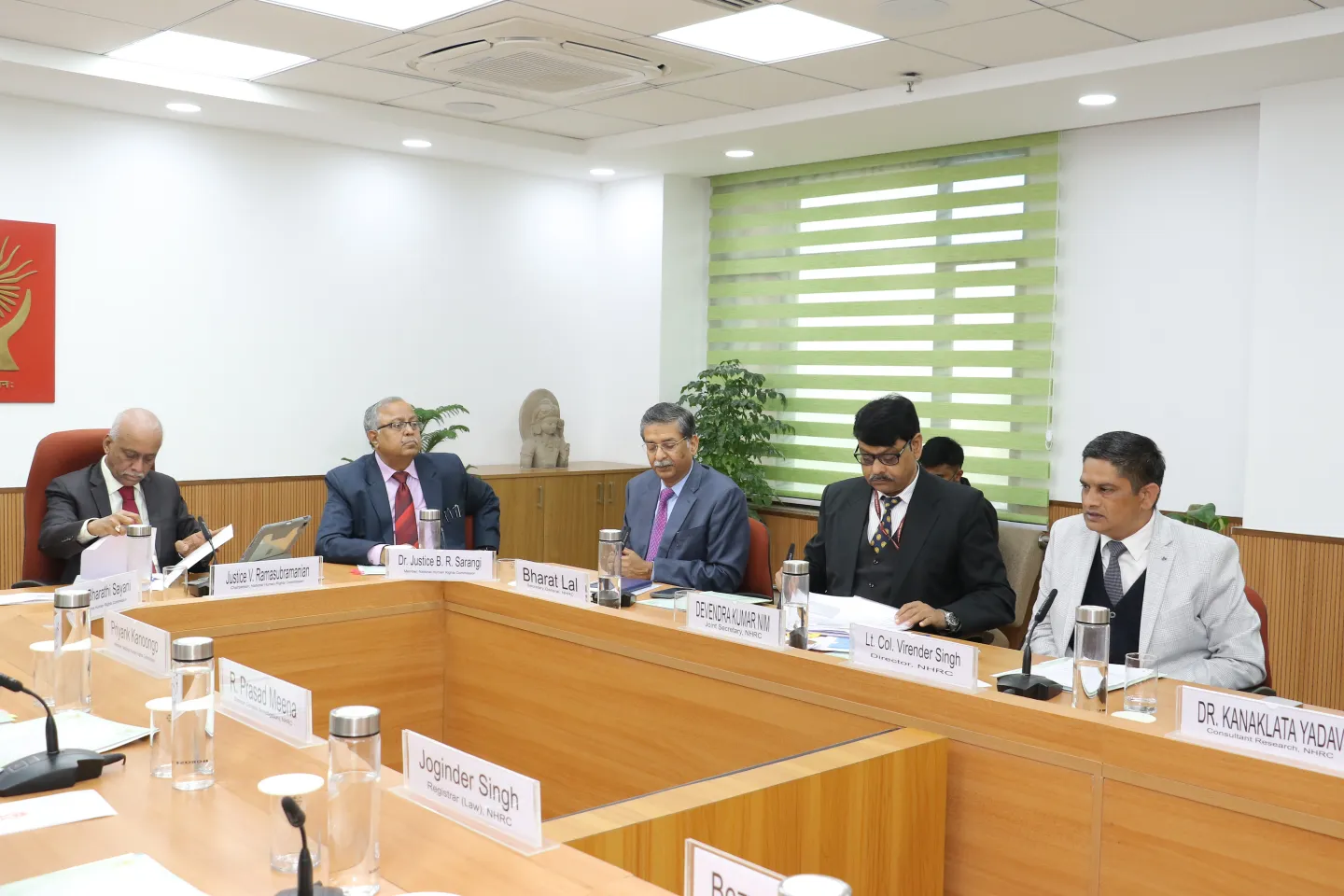
New Delhi (ILO News): The National Human Rights Commission (NHRC), India, organized an Open House Discussion on “Dignity and Liberty of Individuals - Rights of Manual Scavengers”, focussing on the need to completely ban manual scavenging as per Manual Scavenging Act of 2013 to promote dignity of labour, health and over all well-being of manual scavengers and rehabilitation measures as crucial step for restoring their dignity, providing access to education, skill development, and livelihood opportunities, ensuring their empowerment and social integration. The discussion highlighted the discerning and chronically inhumane working conditions and frequent fatalities faced by sewage and septic tank workers, demanding urgent reforms to ensure their safety and dignity.
With 30 participants from government departments covering social justice, housing and urban affairs, water and sanitation, rural development and municipalities, academicians, development practitioners from research based advocacy institutes, representatives from UN Agencies including UNICEF and ILO, grassroot movement based organisations, technology companies creating innovation solutions in the sector, the forum offered a platform to intensively discuss on the current situation of manual scavengers, sewage and septic tank workers in India under the overall leadership of Shri Devendra Kumar Nim, Joint Secretary General, NHRC and Justice V Ramasubramanian, Chairperson, NHRC.
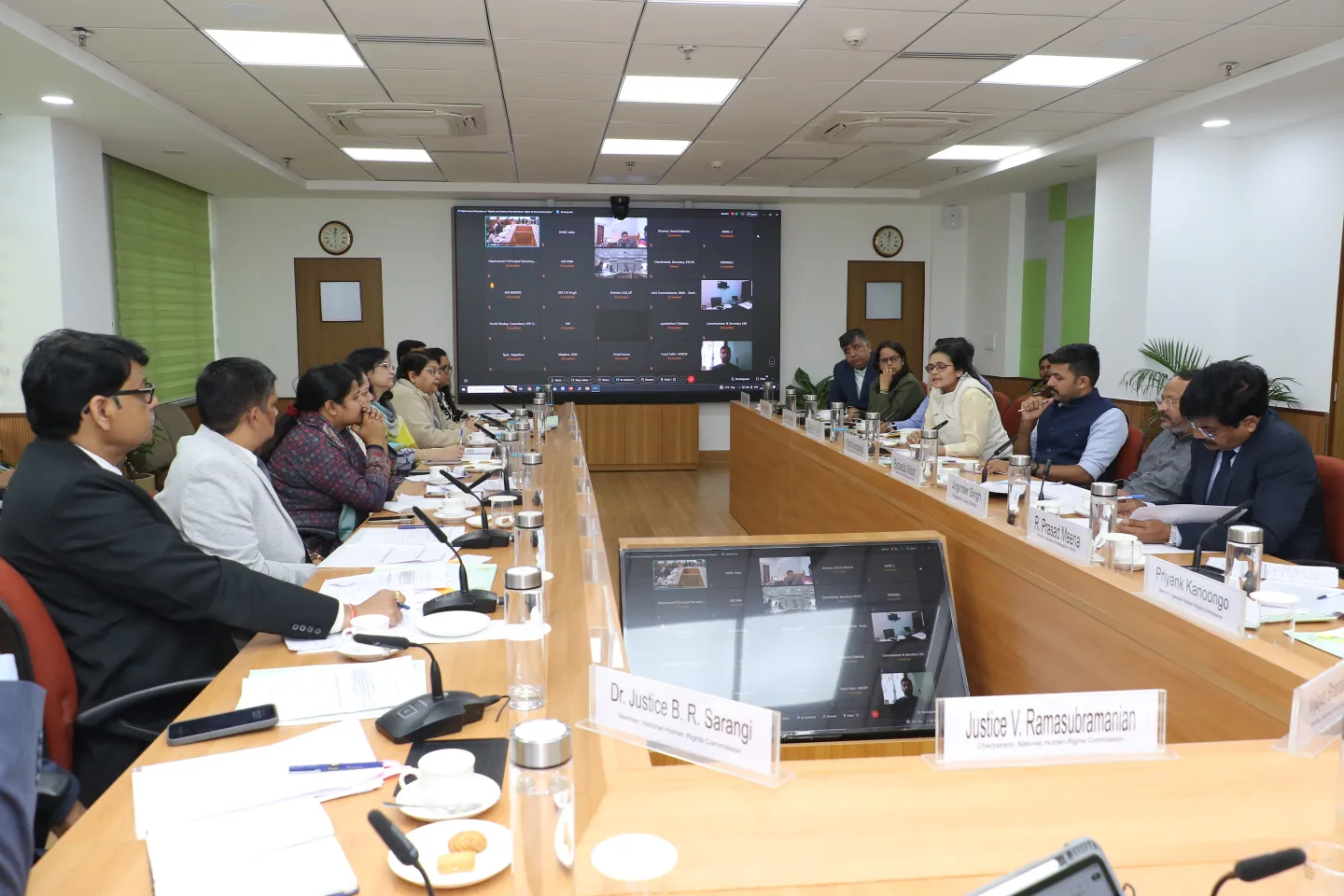
Ms Baishali Lahiri, National Project Coordinator, PRS Project participated as a speaker in a panel on “Addressing the Issue of Deaths in Septic and Sewage Tanks in India” where she presented the main findings and recommendations for improving working conditions of sewage and septic tank workers based on a working paper developed by the PRS Project in collaboration with the SECTOR, HQ, ILO (Geneva) and ILO New Delhi. The working paper highlights the need to promote hierarchy of controls to protect workers from hazardous situations while progressively also working on organizing workers and promoting better wages, social protection, automation and technology, occupational safety and health, robust legislation, SOP of work and regulatory mechanisms.
Related content

Informal economy
Promoting rights and social inclusion through organization and formalization (PRS) – Phase 2: Pakistan Component