

Cooperatives create new livelihood pathways for informal workers in India
A cooperative approach to enterprise development could unlock opportunities and deliver decent work, particularly in the care sector in Bihar, India.
9 April 2026
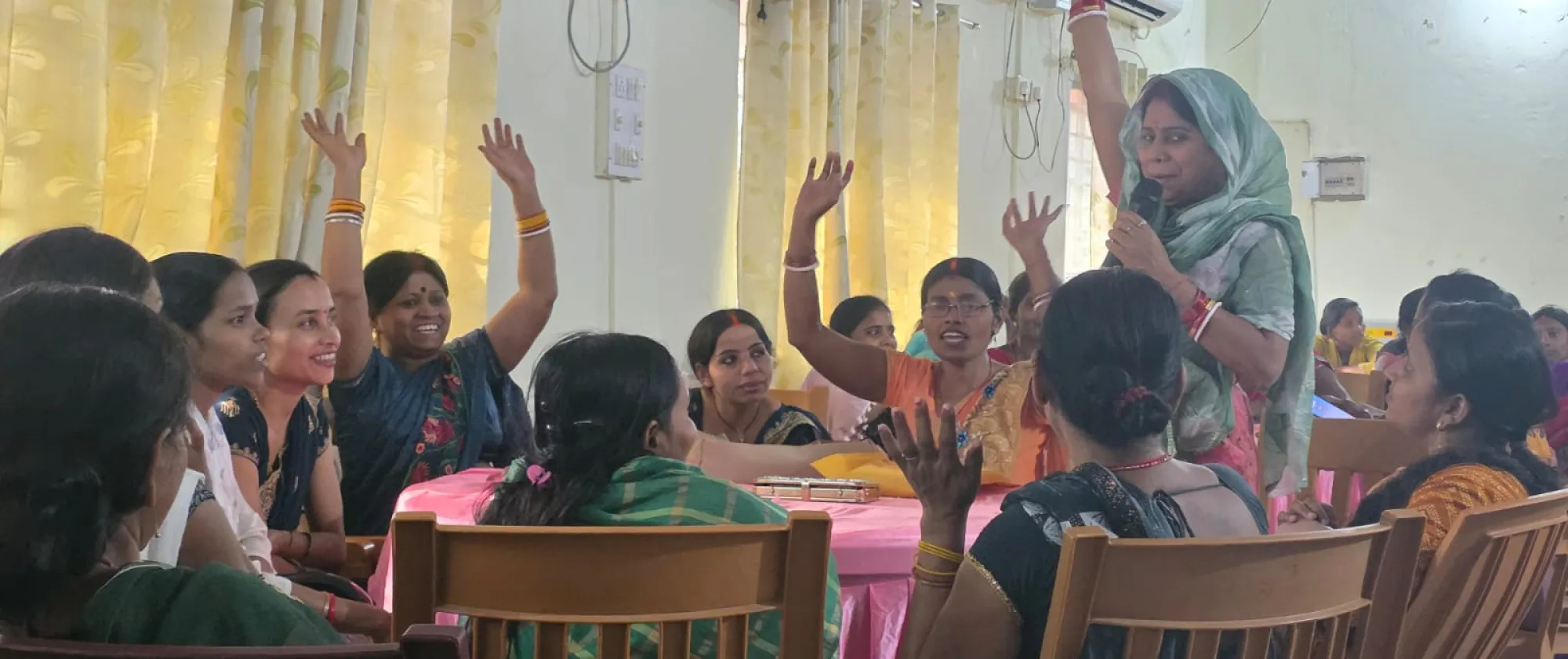
Bihar (ILO News) - Domestic and other informal workers in Bihar State are gaining new opportunities to improve their livelihoods through a cooperative business model.
The ILO’s Promoting Rights and Social Inclusion through Organization and Formalization (PRS) Phase 2 Project, in partnership with the Indian National Trade Union Congress (INTUC), brought together domestic and other informal workers to explore the cooperative approach to enterprise development.
As the first initiative of its kind in the state, the ILO delivered the Think.CareCoop and Think.Coop training with active participation and support from officials of the Cooperative Department and the Labour Department of the Government of Bihar. THINK COOP is an ILO training methodology that builds the capacity of cooperative leaders and support organizations to establish, manage, and strengthen sustainable and inclusive cooperatives, while Think.CareCoop is a tailored adaptation specifically designed for care workers and the care economy.

The Think.Care Coop training took place in Patna on 18 – 19 November 2025 and the Think.Coop training took place in Gaya on 15 – 16 March 2026. A total of 22 women workers in Patna and 60 in Gaya, along with community leaders, participated in the events.
“The ILO’s PRS Phase II Project and INTUC are strengthening women’s agency and decent work for informal workers in Bihar by initiating a state-level cooperative through the first Think.CareCoop training, enabling collective bargaining and improved livelihoods,” said Chandra Prakash Singh, President, INTUC Bihar and National Vice-President.
Through interactive sessions, participants learned the cooperative models and developed ideas for member-owned enterprises.
Proposed initiatives included collective care services for homes and offices to ensure fair wages and working conditions; community-based childcare services to reduce women’s unpaid care burden; and tiffin services offering affordable, nutritious meals.

In addition to care services, participants also identified home-based enterprises such as bangle making, salon services, and tailoring to strengthen livelihoods of other informal workers and reduce reliance on intermediaries through a cooperative approach.
Related content
Promoting rights and social inclusion through organization and formalization (PRS) – Phase 2: India Component
Relevant projects
Promoting rights and social inclusion through organization and formalization (PRS) – Phase 2: India Component
Promoting rights and social inclusion through organization and formalization (PRS) – Phase 2: Nepal Component

Development cooperation project
Promoting rights and social inclusion through organization and formalization (PRS) – Phase 2

Informal economy
Promoting rights and social inclusion through organization and formalization (PRS) – Phase 2: Pakistan Component