

Dignity at work, inside every home: Unionising Bihar’s domestic workers
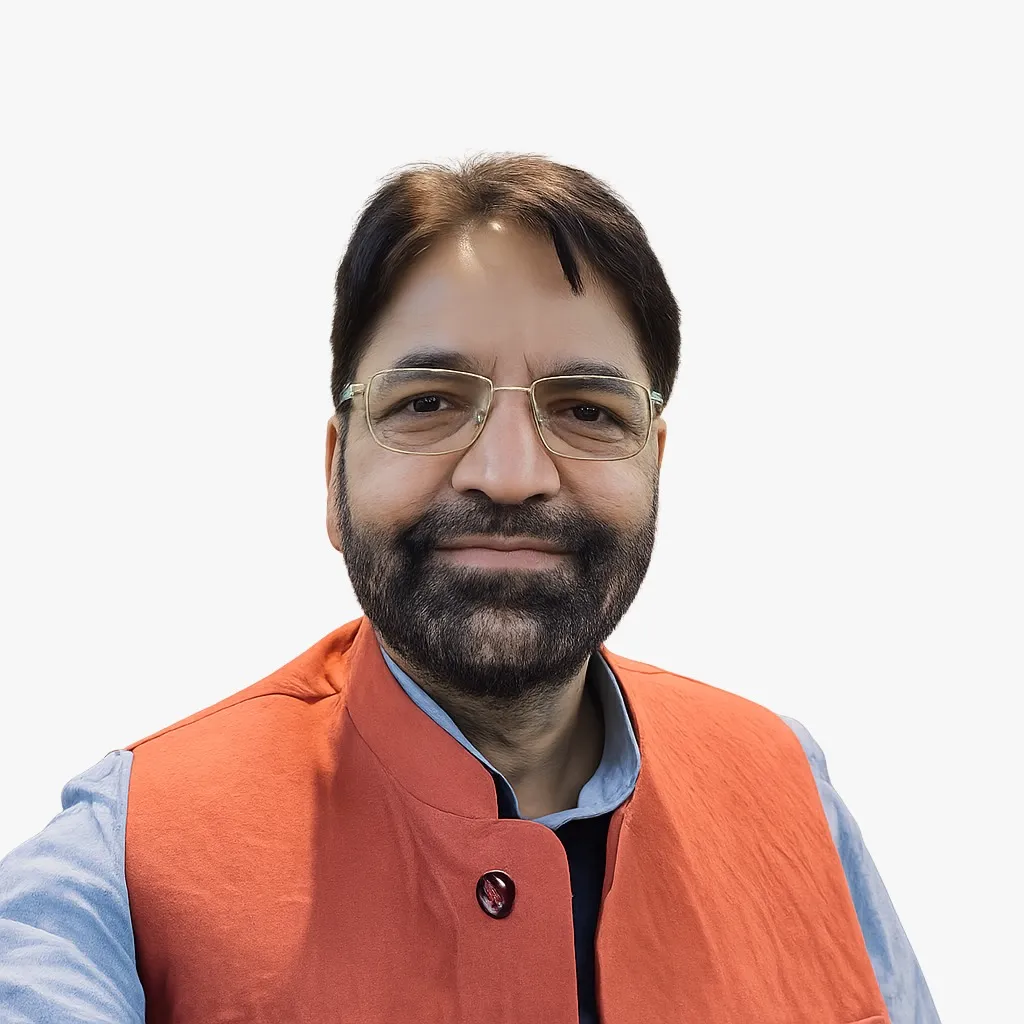
Domestic workers in Bihar, supported by the ILO’s PRS Project funded by Japan, have organized and advocated for better working conditions. In this interview, Chandra Prakash Singh, National Vice-President of the Indian National Trade Union Congress (INTUC) and President of INTUC Bihar, shares insights on this journey.
9 June 2026
NEW DELHI (ILO News) - Why did INTUC start organizing domestic workers?
For many years, trade unions focused mainly on workers in factories, railways and mines. In Bihar, INTUC began organizing domestic workers with support from the ILO’s Promoting Rights and Social Justice (PRS) Project, implemented from 2021 onwards.
Domestic workers, most of whom are women from marginalized communities, have long remained outside the formal labour system. They often work without legal protection, fair wages, social security, or a platform to raise their concerns.
To address these issues, INTUC formed a dedicated union for domestic workers in Bihar called the Gharelu Kamgar Congress (GKC). The aim was to give domestic workers a collective voice, ensure dignity at work, and help them access their rights and entitlements.
What were the main issues faced by domestic workers?
When INTUC started working with domestic workers, four key challenges emerged. Firstly, low and unequal wages. Many workers were paid arbitrary amounts, often with no extra payment for additional work. Secondly, lack of social security. There was no access to benefits such as healthcare, maternity support, pensions, or paid leave. Thirdly, harassment and insecurity. Workers faced verbal abuse, unfair treatment, and the constant fear of losing their jobs. And fourthly, lack of recognition. Domestic workers were often seen as “servants” rather than workers, making them ineligible for labour welfare schemes.
How did the union help?
The Gharelu Kamgar Congress took several steps to support domestic workers. We conducted registration drives and linked domestic workers with the Labour Department, enabling access to welfare benefits and official identity cards. We issued union identity cards, helping workers gain recognition, dignity, and confidence as workers. We advocated for stronger legal protection for domestic workers, including a dedicated law and the establishment of a Domestic Workers Welfare Commission in Bihar. We provided support in workplace disputes, intervening in cases of wage theft, unfair dismissal, and other employment-related conflicts. Furthermore, we organized community awareness sessions to educate workers about fair wages, working hours, weekly rest, and their labour rights.
What message would you like to give to other unions?
The trade union movement is strongest when it stands with all workers, including those in the informal sector. Domestic workers face some of the greatest challenges because they work in isolation and are often excluded from labour protections. I encourage all unions to organize and support domestic workers, only then we can build a more inclusive labour movement that leaves no worker behind.
What message would you like to give to domestic workers who are not union members?
To every domestic worker who works hard every day to support their family, I want to say that your work matters, and you deserve to be treated with respect and dignity. Too often, domestic workers face problems alone, whether it is unfair wages, long working hours, or mistreatment. But you do not have to face these challenges by yourself.
When workers come together, they can support one another, raise their concerns, and stand up for their rights with greater confidence. Joining a union is not just about membership; it is about becoming part of a community that looks out for you and helps ensure your voice is heard. I encourage domestic workers to come forward, get organized, and be part of this collective effort to build a more secure and respectful future for all.
Related content
Promoting rights and social inclusion through organization and formalization (PRS) – Phase 2: India Component
Relevant projects
Promoting rights and social inclusion through organization and formalization (PRS) – Phase 2: India Component
Promoting rights and social inclusion through organization and formalization (PRS) – Phase 2: Nepal Component

Development cooperation project
Promoting rights and social inclusion through organization and formalization (PRS) – Phase 2

Informal economy
Promoting rights and social inclusion through organization and formalization (PRS) – Phase 2: Pakistan Component