

Sector portal
Recycling
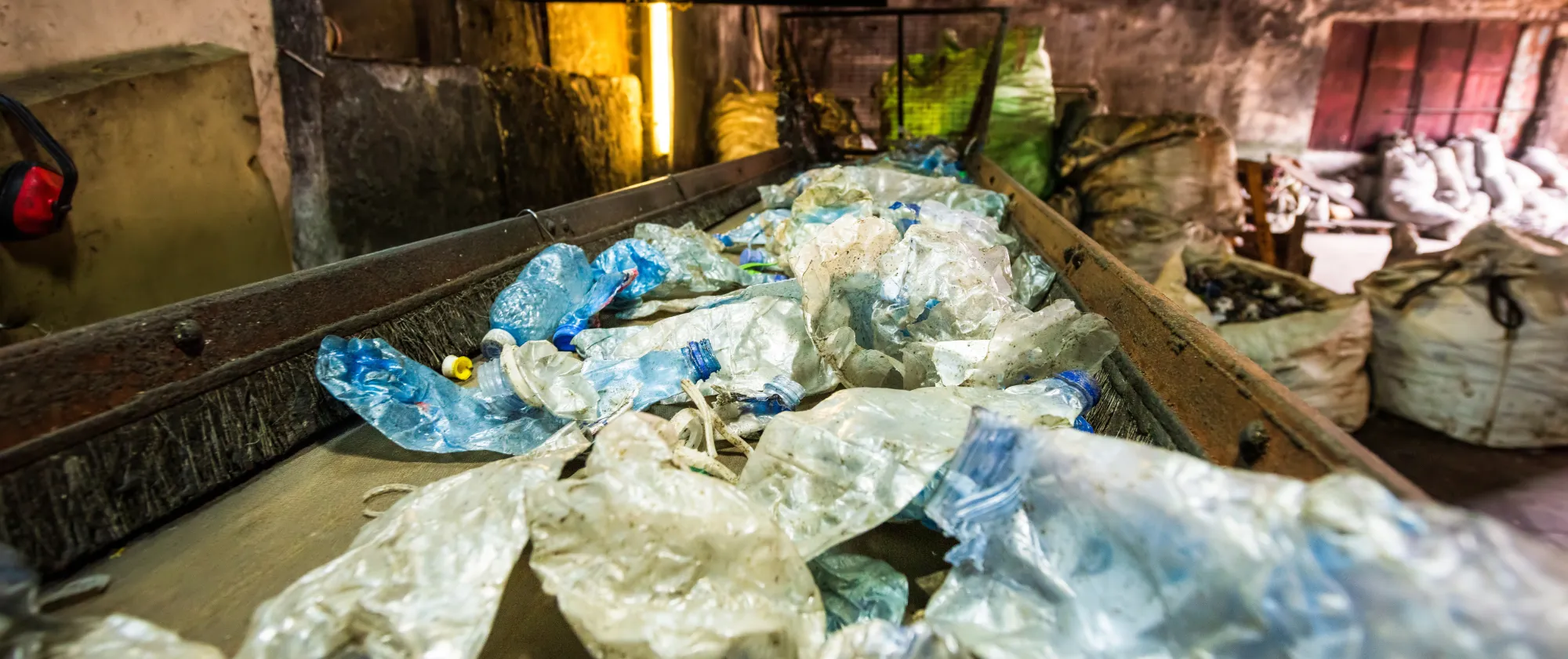
Recovering and reprocessing materials from households, businesses, dumpsites and elsewhere into new products, materials, or energy is a vital part of the circular economy.
Since recycling is performed by a wide range of workers from waste pickers, collectors, scrap dealers, and shipbreakers, to engineers, construction workers, farmers, retailers and care workers, many of whom operate in the informal economy, employment in recycling is difficult to quantify. ILO however estimates that at least 6.9 million workers are engaged in waste and recycling, and that a transition to the circular economy and increased recycling of materials could create at least 7 million additional jobs globally by 2030.
Yet, many current recycling jobs do not fully reflect green or decent work practices. Addressing decent work deficits in recycling requires integrated measures to formalize employment, strengthen occupational safety and health systems, develop skills and promote inclusive social dialogue across the recycling value chain. With such measures, recycling can play a pivotal role in advancing environmental goals while delivering decent work.
Key resources
News and stories
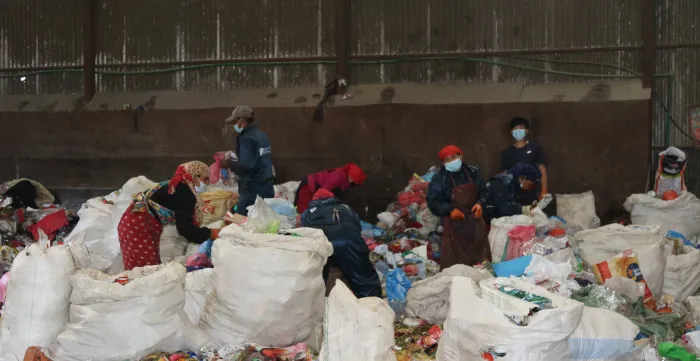
Advancing formalization and decent work for domestic and waste management workers in Nepal’s informal economy
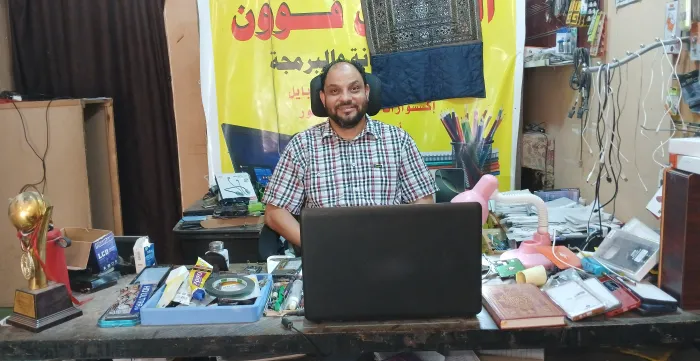
ILO Voices | Refugee inclusion
I am starting over, one repair at a time
Latest publications and documents
E-Waste for Youth Employment in Limpopo
Report
Circular economy, trade and employment
Renewable Energy and Jobs: Annual Review 2025
Projects

Circular transition and responsible business conduct in Montenegro
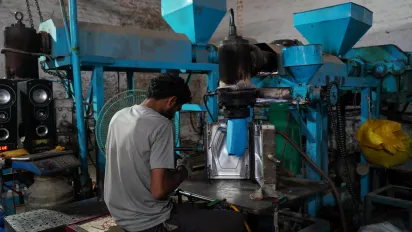
Informal economy
W2W: WASTE TO WORTH – Transforming Informal Waste Work into Decent Livelihoods

South Africa
E-waste for youth employment in Limpopo Province Project
Contact information
Sectoral Codes of Practice and Guidelines
Sectoral meetings
Conclusions and recommendations of sectoral meetings
Sign up to our newsletter!
Receive ILO news about sectoral work
Related content

Sector portal
Agriculture, aquaculture, plantations, other rural sectors

Sector portal
Construction
Sector portal
Electronics, machinery and electrical equipment

Sector portal
Textiles, apparel, leather and related products

Sector portal
Transport equipment

Sector portal
Utilities (gas, electricity, water, waste management)
Topic portal
Circular economy