

ILO Voices | Refugee inclusion
I am starting over, one repair at a time
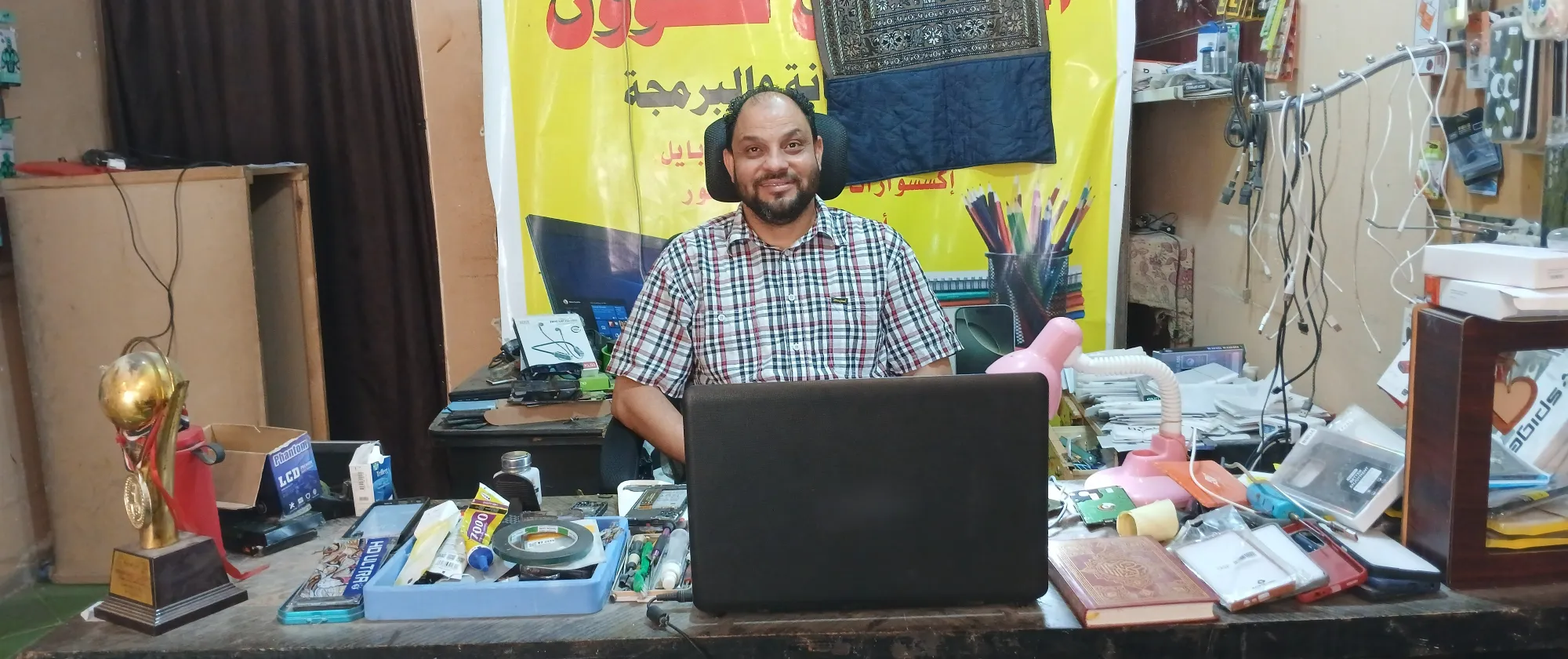
After seeking safety in Egypt, Sudanese asylum seeker Alhassan Ali participated in ILO business training. It strengthened his entrepreneurship skills and helped him build a more stable future for his family.
17 September 2026
Before the conflict, my family and I lived a normal life in Sudan. I repaired and maintained mobile phones, which provided us with a stable source of income.
In 2023, a violent internal conflict forced people to move out of Sudan. In addition, my daughter became ill. We knew it was serious, but we couldn’t obtain a proper diagnosis because hospitals were no longer functioning and it was extremely difficult to access doctors and medical services.
I realized we had to leave Sudan when my daughter’s condition worsened. Her life was at risk. As a father, nothing was more important than making sure she could receive the treatment she needed.
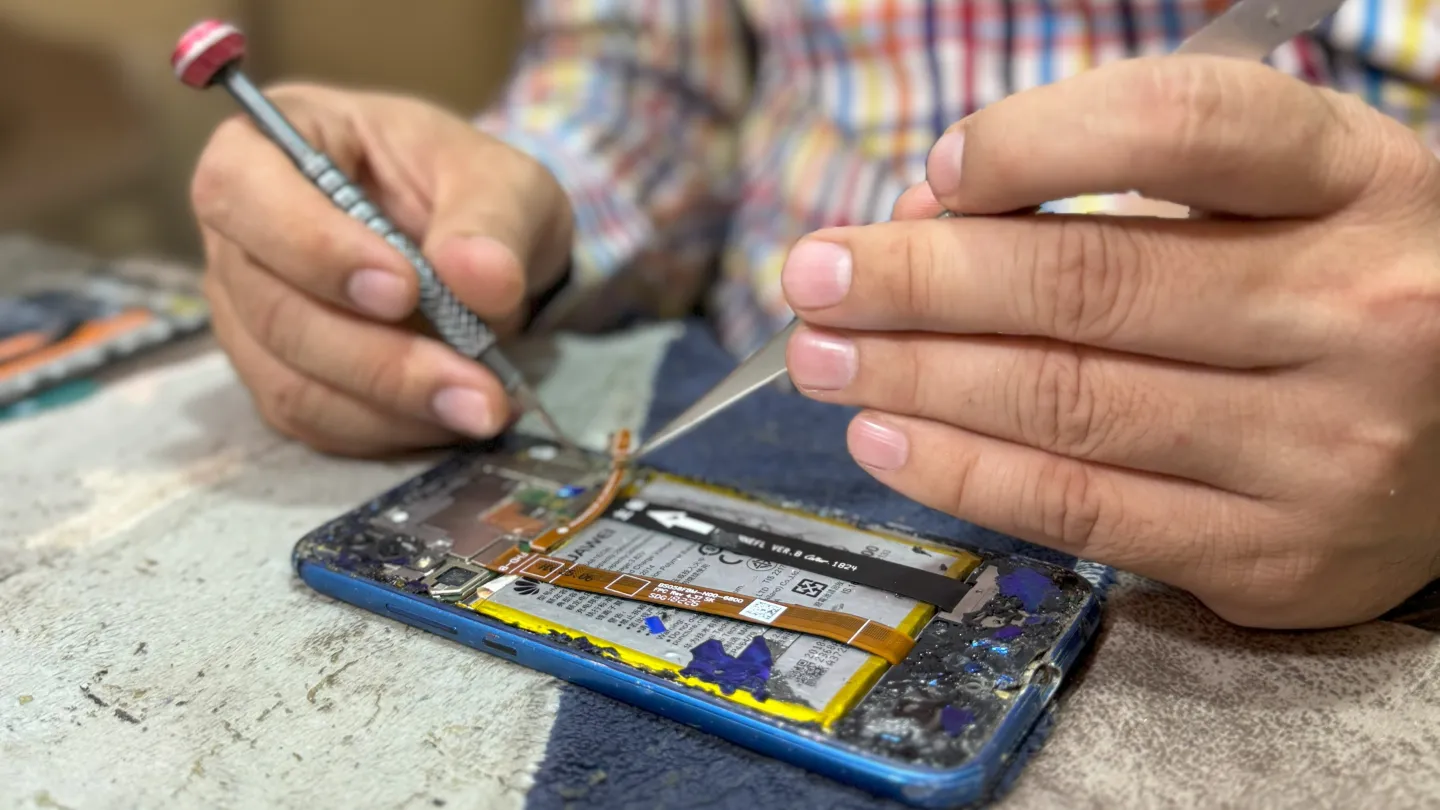
I chose Egypt because I believed it was the safest destination for my family. It also offered access to healthcare for my daughter, who was diagnosed with leukaemia. The shared language and culture also made it easier for us to adapt and start over.
My wife's aunt was already living in Alexandria. She encouraged us to come to Egypt and provided valuable support during our first days after we arrived.
The first thing I remember was the feeling of safety. After everything we had experienced, arriving in Egypt gave me hope. People welcomed us warmly, and that made it much easier for my family to begin adjusting to our new life.
The first thing I remember was the feeling of safety. After everything we had experienced, arriving in Egypt gave me hope.
Alhassan Ali, mobile phone repair shop owner
In Sudan, I was financially stable, but in Egypt I had to start over from scratch. My income was initially very limited, and I was worried about earning enough to support my family and cover my daughter’s medical treatment.
I started looking for work immediately after arriving in Egypt, visiting every mobile phone repair shop in the neighbourhood and asking if there were any vacancies.
Eventually an employer recognized my previous experience and technical skills and offered me a job. This allowed me to start supporting my family.
After working in different mobile phone repair shops for about a year, I became familiar with the Egyptian market, built relationships with suppliers and gained a better understanding of customers' needs.
I saved enough money to purchase the equipment I needed and entered a business partnership, which enabled me to establish my own business.
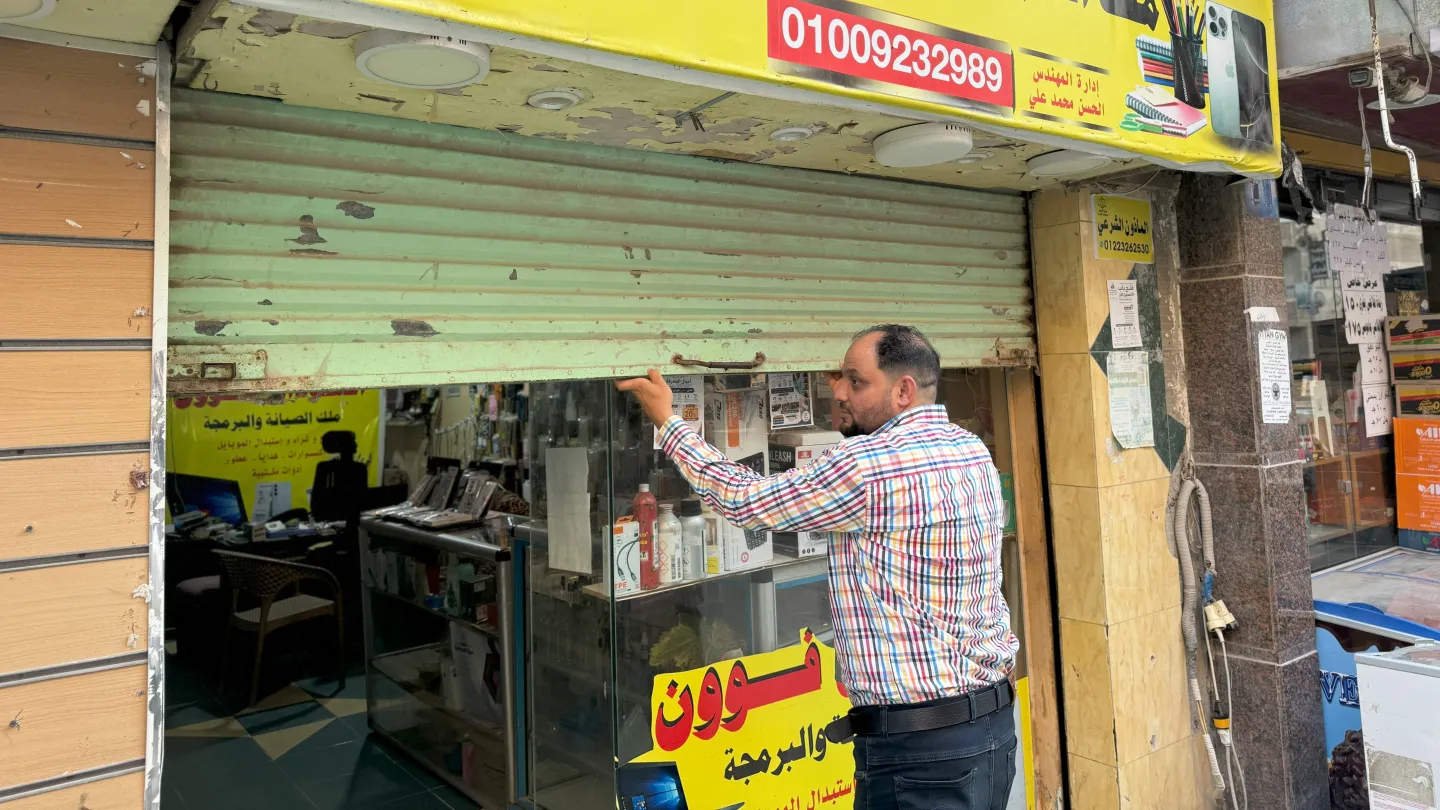
Opening the business was a proud moment. But running a business turned out to be very different from repairing phones.
The biggest challenge was managing the financial side of my business. I knew I was making mistakes, but I didn't know how to identify or correct them.
I was working long hours, but between business expenses and family responsibilities, I started to accumulate debt.
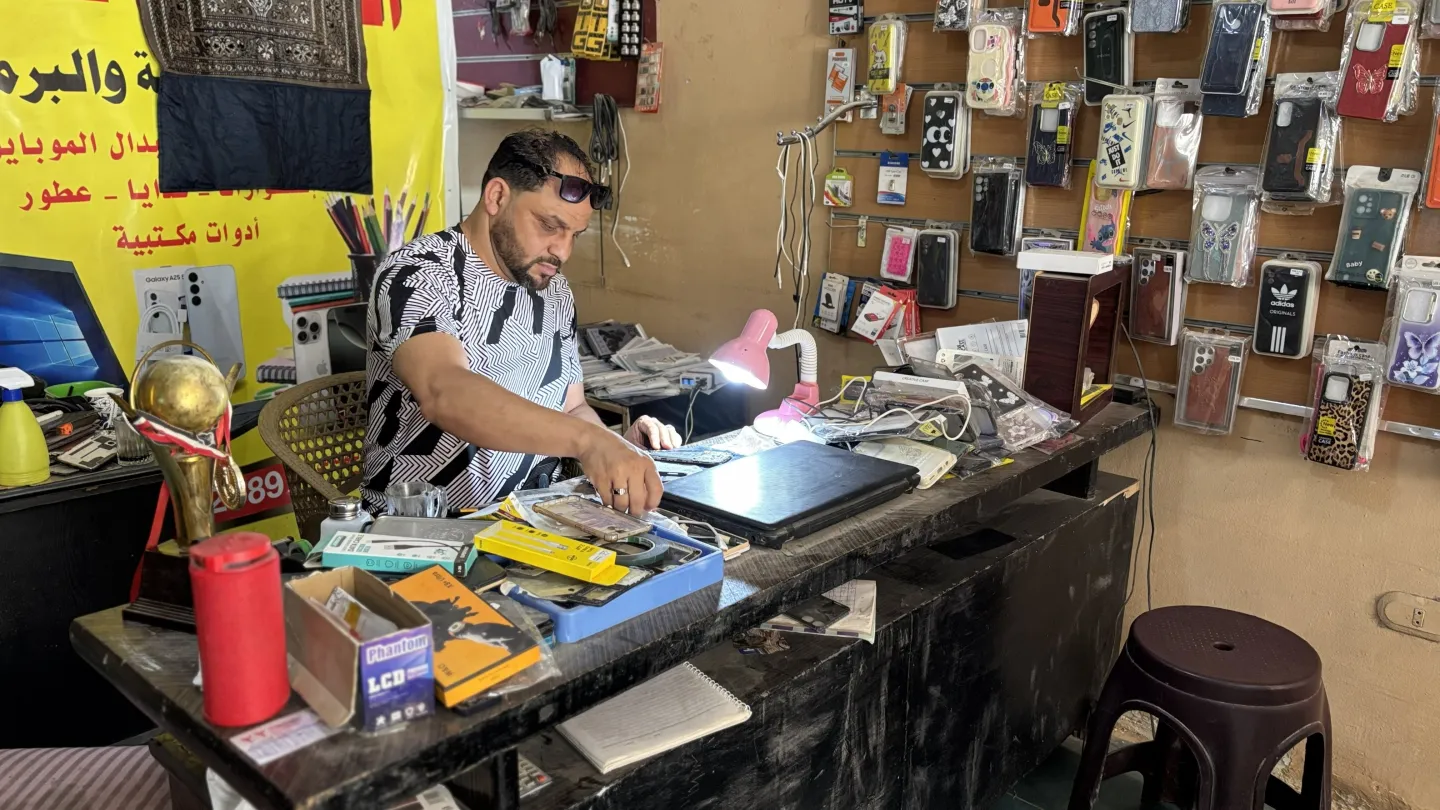
Then, through members of the Sudanese community, I found out about a business training programme.
When I visited the Caritas Egypt office, the staff explained the purpose of the International Labour Organization's (ILO) Start and Improve Your Business (SIYB) training and how it could help business owners improve the way they manage and grow their businesses.
Their explanation convinced me that the training would be valuable, so I decided to participate.
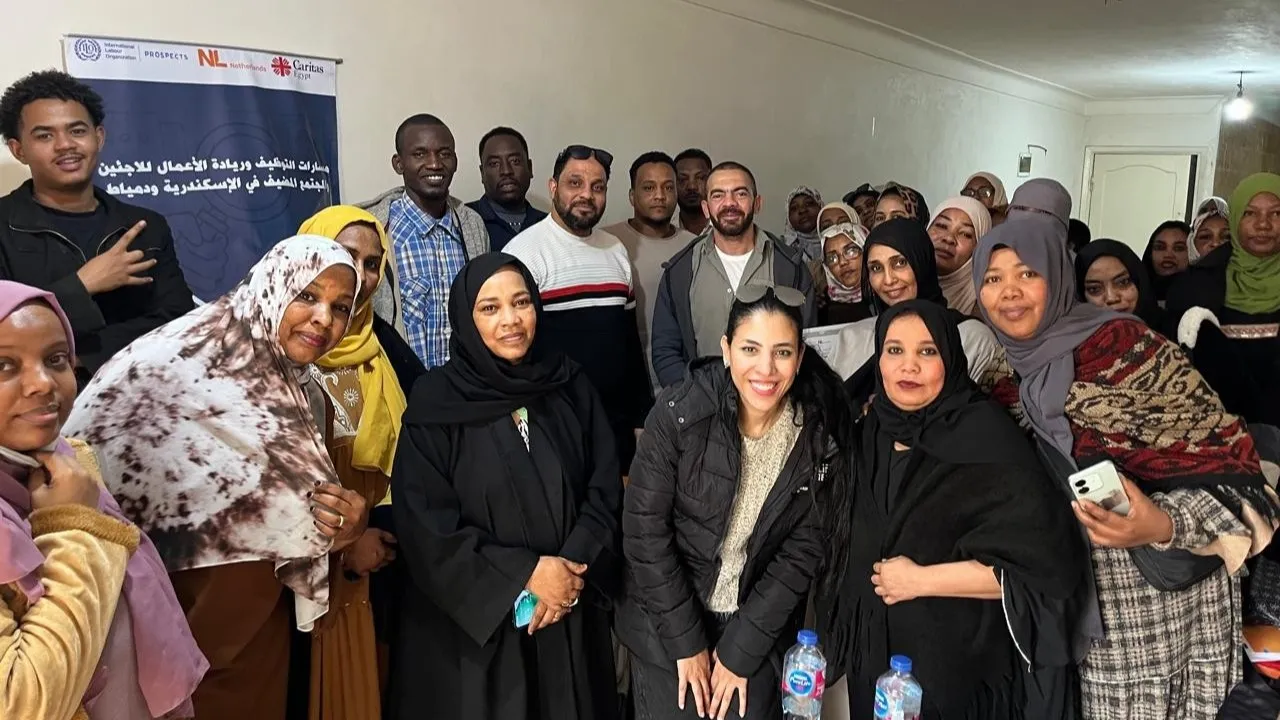
The training helped me discover mistakes I didn't know I was making. Now I understand my business much better.
The biggest lesson for me was realizing the importance of keeping proper business records. I learned to record all my income and expenses so I could clearly understand how my business was performing.
I started managing my business in a completely different way. I separated my personal finances from my business finances. I made it a habit to save part of my earnings to invest in the growth of my business while also supporting my family's needs.
Even though I studied business administration, the SIYB training offered a very different experience. I honestly feel that I learned more practical business management skills during the training than I did during my university studies.
The training helped me discover mistakes I didn't know I was making. Now I understand my business much better.
Alhassan Ali, mobile phone repair shop owner
After applying what I learned, my income increased by nearly 35 per cent.
I also expanded my business by introducing mobile phone accessories, creating an additional source of income and helping me diversify my business.
Today, every pound I earn has a purpose, and I am able to save more consistently to support my daughter's treatment while providing greater stability for my family.
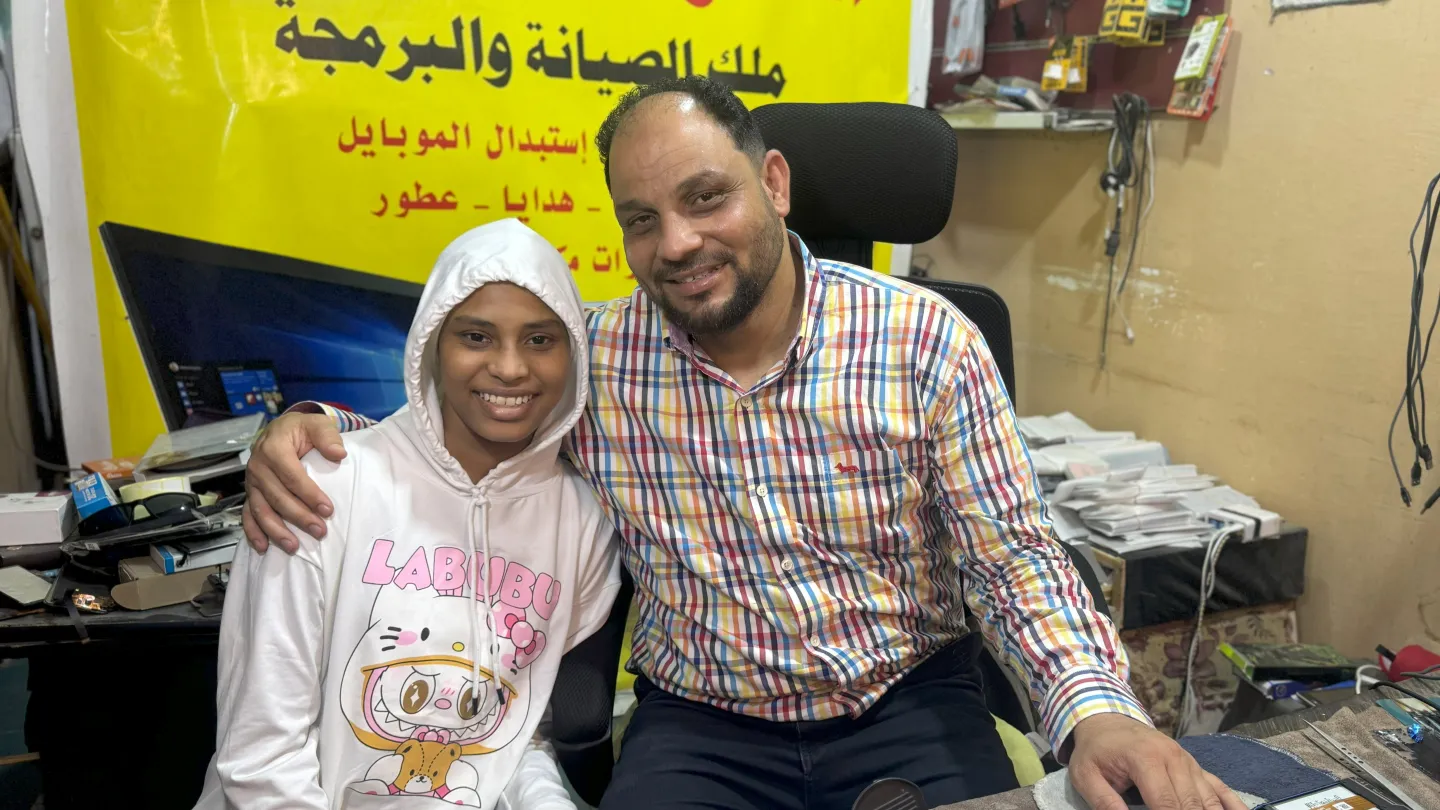
My daughter is continuing her treatment. Although there are still difficult days, she has responded positively so far. We continue to pray for her full recovery.
She continues to receive chemotherapy on a regular basis. The next step is a bone marrow transplant. We have received support covering part of the cost of the procedure – 250,000 Egyptian pounds (approximately US$4,900) – and I am working hard to raise the remaining 150,000 Egyptian pounds (approximately US$2,950) so she can undergo the transplant as soon as possible.
Despite everything she has been through, she was determined to return to school and sit for her exams. She has attended school whenever her health has allowed, usually two or three days a week, and successfully completed her sixth-grade examinations.
My greatest hope is to see my children healthy, safe and able to enjoy a better future. Everything I do is for them. I hope to continue growing my business so I can provide them with the care, education and opportunities they deserve.
Fast facts
- PROSPECTS is a global partnership funded by the Government of the Netherlands to improve access to employment, education, social protection and economic opportunities for refugees and host communities.
- The partnership brings together the International Labour Organization (ILO), International Finance Corporation (IFC), United Nations High Commissioner for Refugees (UNHCR), United Nations Children’s Fund (UNICEF) and the World Bank.
- It is being implemented in eight countries in the Horn of Africa (Ethiopia, Kenya, Sudan and Uganda) and the MENA region (Egypt, Iraq, Jordan and Lebanon).
- In Egypt, the ILO PROSPECTS Partnership works with national and implementing partners, including Caritas Egypt, to support refugees and host communities.
- The ILO’s Start and Improve Your Business (SIYB) programme provides practical entrepreneurship training in areas including business planning, financial management, costing, pricing and marketing.
- 254,557 forcibly displaced persons and members of the host communities across eight countries have gained entrepreneurship and business development skills through the collective efforts of PROSPECTS partners.
Interview with Peter Mollema, Ambassador of the Kingdom of the Netherlands to Egypt
Find out more
Related content
ILO Voices
Relevant projects
Programme
Partnership for improving prospects for forcibly displaced persons and host communities (PROSPECTS)