


Sector portal
Utilities (gas, electricity, water, waste management)
Utilities (water, electricity and gas) are essential services that play a vital role in economic and social development. Quality utilities are a prerequisite for effective poverty eradication. Governments are ultimately responsible for ensuring reliable universal access of service under accountable regulatory frameworks. The SDGs require that utilities collaborate with governments to provide universal access to water, sanitation and electricity, and decent working conditions for their workers. Governments should also promote dignified work for fecal sludge cleaners and women engaged in water fetching. Adequate staffing and training in the use of new technologies help ensure efficiency and safety in the workplace.

As a sewer worker, I want respect and safer working conditions
I am a sewer worker in Lahore, Pakistan. I clear sewer system blockages. Every time I enter a sewer I don’t know if I will get out alive. I risk getting cut by blades and broken glass. Getting injured is a normal part of my job.
Key resources
- C155 - Occupational Safety and Health Convention, 1981 (No. 155)
- R164 - Occupational Safety and Health Recommendation, 1981 (No. 164)
- C187 - Promotional Framework for Occupational Safety and Health Convention, 2006 (No. 187)
- R197 - Promotional Framework for Occupational Safety and Health Recommendation, 2006 (No. 197)
- C161 - Occupational Health Services Convention, 1985 (No. 161)
- R171 - Occupational Health Services Recommendation, 1985 (No. 171)
- Policy guidelines for the promotion of decent work in recycling
- Guidelines for developing inclusive water, sanitation and hygiene infrastructure
- Workplace violence in services sectors and measures to combat this phenomenon (Code of Practice)
- WASH@Work: a Self-Training Handbook
- Action Manual on WARM: Work Adjustment for Recycling and Managing Waste
- Sub-regional tripartite workshop on decent work for sanitation workers in South Asia (11-13 October 2021)
Data and statistics
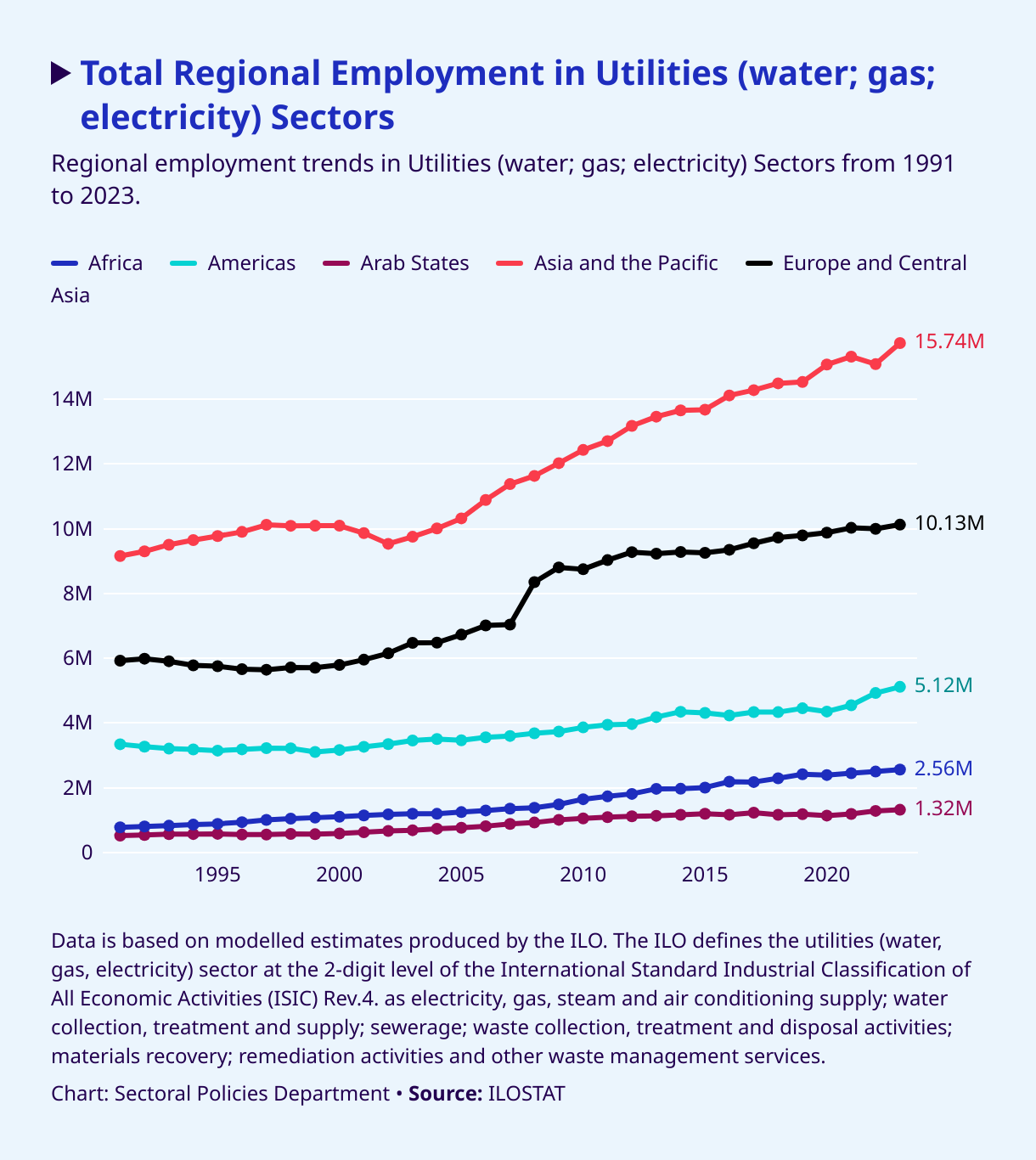
The line graphs show a time series of modelled global and regional employment estimates at the sectoral level. The ILO modelled estimates generally cover 189 countries, offering a comprehensive set of internationally comparable labour statistics. These include both reported data and imputed figures for countries with missing information. The imputations are generated using econometric models developed by the ILO.
For more detailed labour market indicators and country-level data, visit the Sectoral Employment Statistics page of the ILOSTAT database.
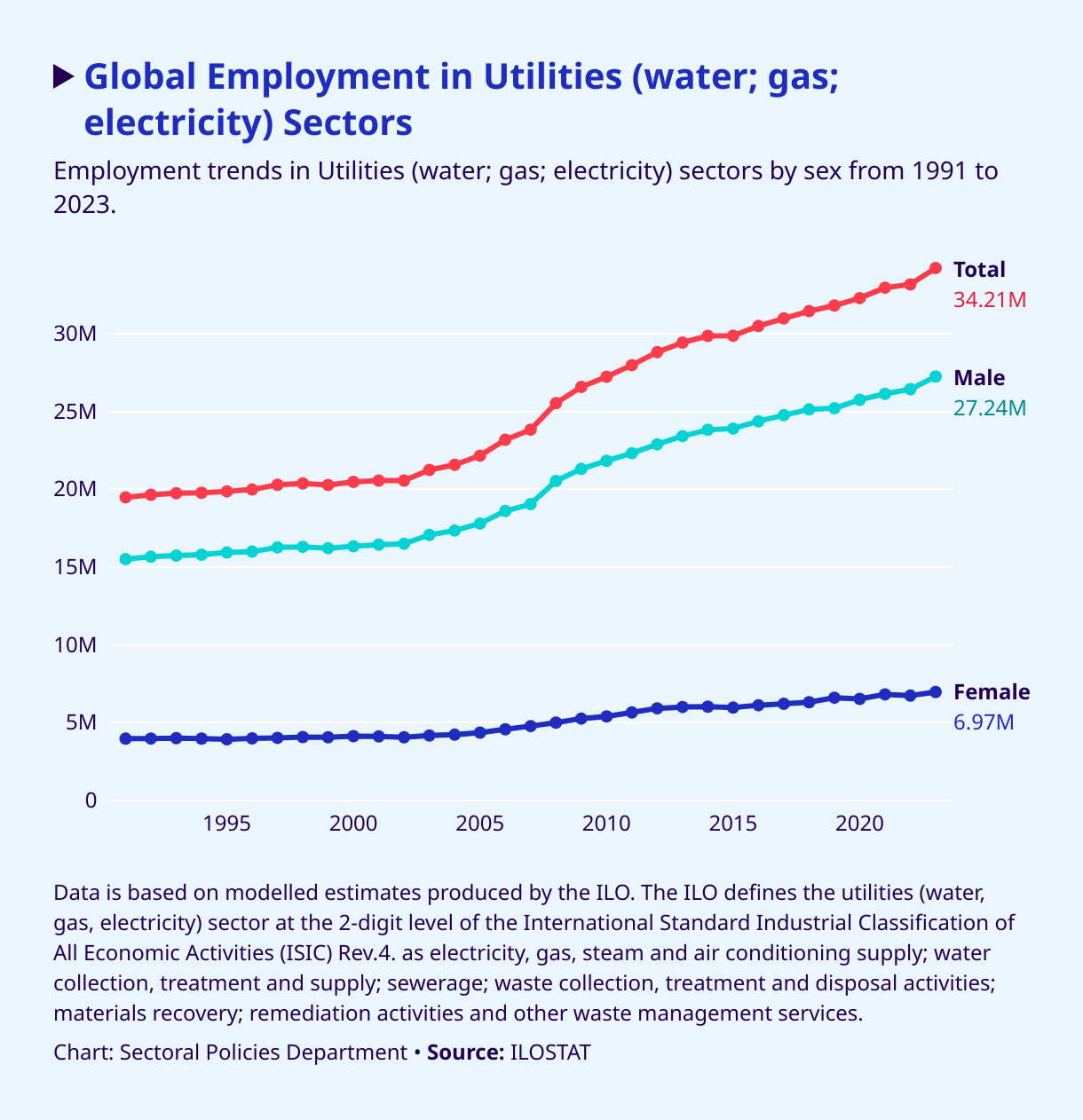
The line graphs show a time series of modelled global and regional employment estimates at the sectoral level. The ILO modelled estimates generally cover 189 countries, offering a comprehensive set of internationally comparable labour statistics. These include both reported data and imputed figures for countries with missing information. The imputations are generated using econometric models developed by the ILO.
For more detailed labour market indicators and country-level data, visit the Sectoral Employment Statistics page of the ILOSTAT database.
Events
2026 UN Water Conference
Contributions from ILO on Interactive Dialogue Concept Papers for the 2026 UN Water Conference to Accelerate the Implementation of...
News
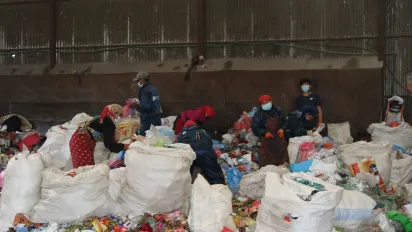
Advancing formalization and decent work for domestic and waste management workers in Nepal’s informal economy
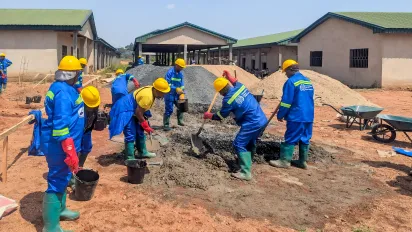
In Cameroon, decent work in construction is rebuilding lives
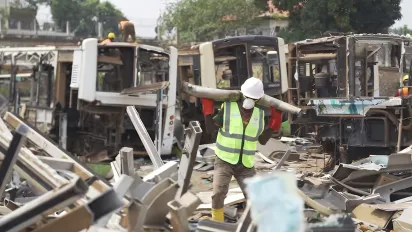
In Cameroon, waste is turning into jobs and dignity
Publications and documents
Policy guidelines
Policy guidelines for the promotion of decent work in recycling
Report
Employment in the circular economy: Leveraging circularity to create decent work
Record of proceedings
Record of proceedings - Meeting of Experts to discuss and adopt policy guidelines for the promotion of decent work in recycling
Projects
Informal economy
W2W: WASTE TO WORTH – Transforming Informal Waste Work into Decent Livelihoods
RECYCLING
Recycling is key to the circular economy, employing at least 6.9 million workers worldwide, many in the informal sector. Expanding recycling could create 7 million more jobs by 2030, but current roles often lack decent work standards.
Contact information
Sectoral Codes of Practice and Guidelines
Sectoral meetings
Conclusions and recommendations of sectoral meetings
Sign up to our newsletter!
Receive ILO news about sectoral work