

Topic portal
Domestic workers
Domestic work is care work, it is high time we make it decent work.
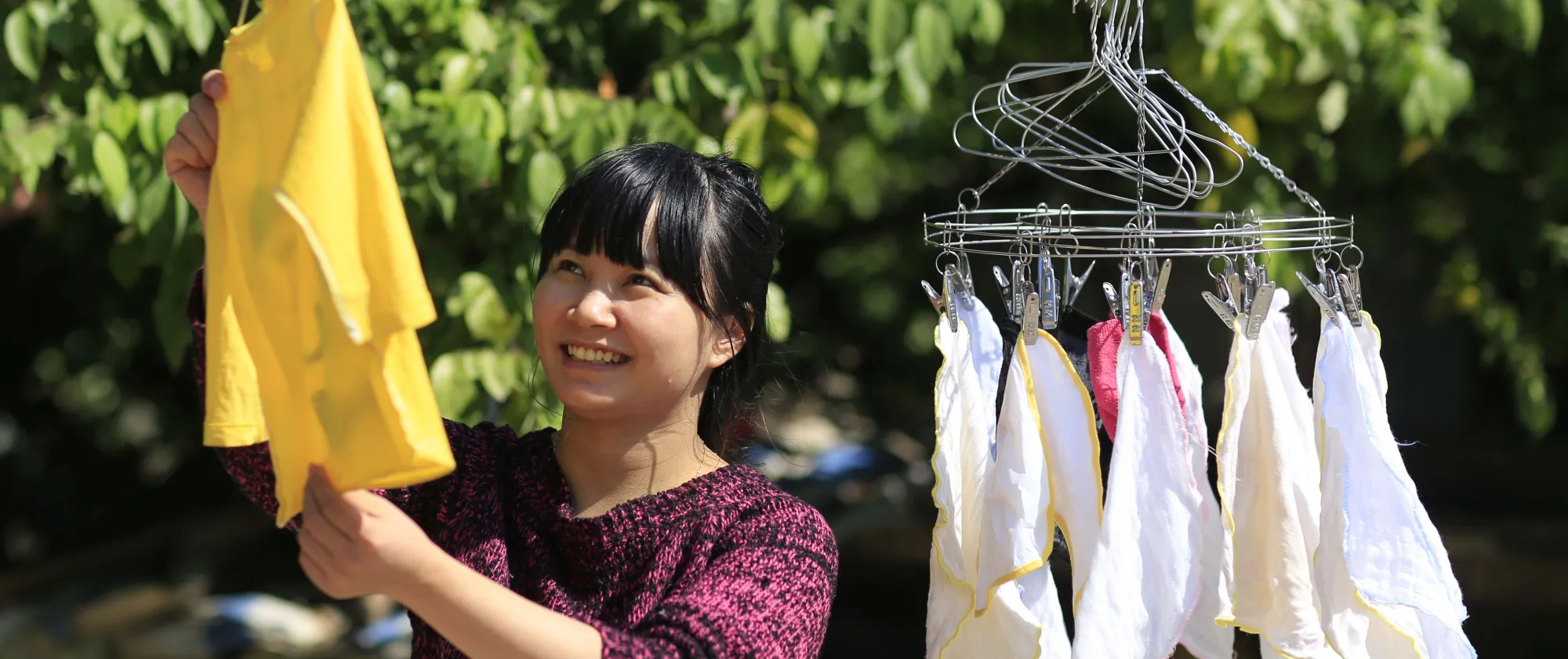
Domestic workers provide essential direct and indirect care services in or for households.
Globally, 75.6 million people, most of them women and many migrants are employed in this sector, representing 4.5 per cent of all workers. Despite their critical role in sustaining families, societies, and economies, domestic workers remain largely undervalued, underprotected, and underrepresented.
In 2021, the ILO found that 81 per cent were informally employed, highlighting persistent legal and enforcement gaps. As demand for care rises due to demographic shifts and declining unpaid care, securing decent work for domestic workers through fair reward, strong legal protections, and meaningful representation is more urgent than ever.
How do domestic workers fare in your country?
ILO Brief: Centering Reward and Representation for Domestic Workers in the Care Economy
Podcast: Is domestic work care work?
Standards text
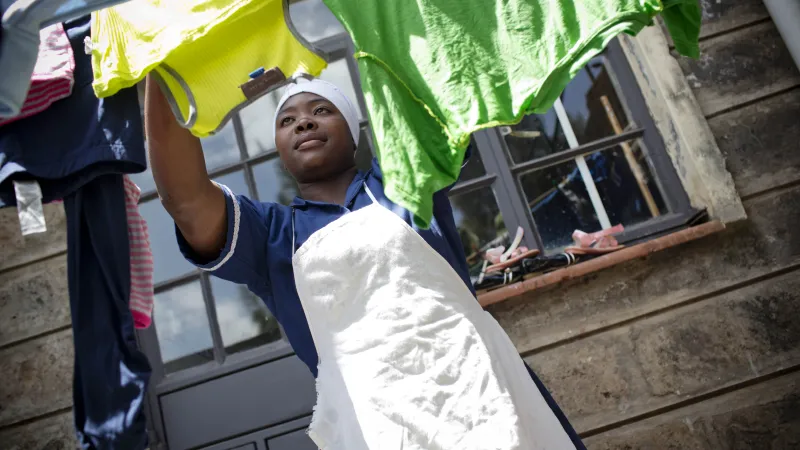
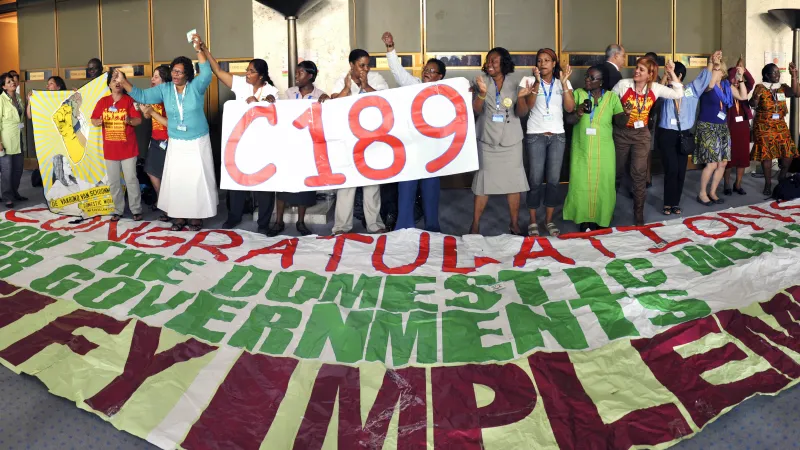
Domestic Workers Convention and Recommendation
Standards impact
Progress toward decent work for domestic workers
News and stories

Occupational Safety and Health
Learning, applying, passing it on: A man’s commitment to safer coffee farming
Press release
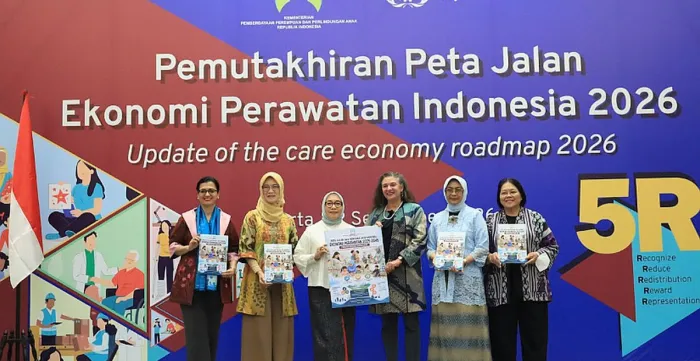
Indonesia updates Care Economy Roadmap to support women’s participation and decent work
Latest publications and documents
Gap Analysis and Review of the Domestic Worker Training in Tanzania: Study Report
Policy Brief - Assessment of Domestic Workers Providing Care and Support to Persons with Disabilities in Kenya.png
Report
Review of international experience on protecting rights of domestic workers in selected countries
ILO's work on this topic
-
What's going on in the field?
-
ILO departments and programmes
Contact info
For additional information on the ILO's Domestic Work topic please contact the Inclusive Labour Markets, Wages and Working Conditions Branch at [email protected]