


Topic portal
Labour migration
Migration is a defining feature of today’s labour markets and a growing global trend. As migration flows become more complex—particularly with rising forced and mixed movements—protecting migrant and refugee workers remains a core part of the ILO’s mandate, rooted in its Constitution preamble since 1919.
Most international migration is driven by the search for decent work and dignified livelihoods. While migration can offer better wages and skills development, many migrant workers still face exclusion from labour protections and are vulnerable to discrimination and exploitation. For displaced populations, access to decent work is a vital element of sustainable development solutions, empowering refugees to actively participate in and contribute to the economies and societies of host communities.
International cooperation is needed to shape policies that maximize the benefits of labour migration and provide decent work for all. The ILO works to strengthen labour migration (and labour market) governance and institutions; ensure rights, protection and access to justice for migrant workers; and foster inclusion and cohesion.
Key areas of work
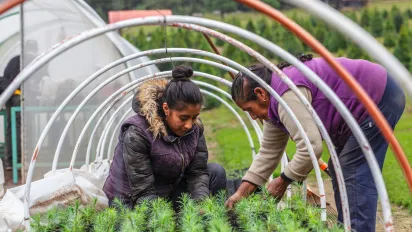
Fair recruitment

Forced displacement contexts

Migrant Worker Resource Centres (MRCs)
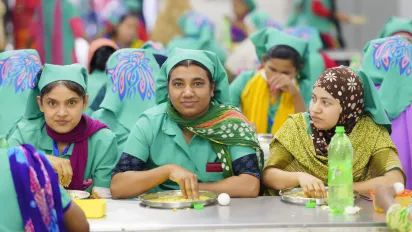
Social protection for migrant workers, refugees and their families
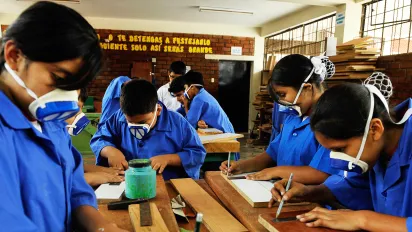
Skills and migration
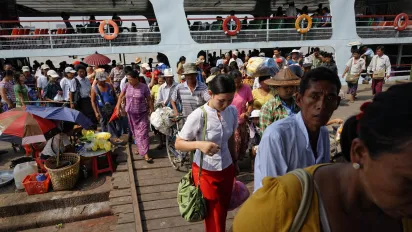
Labour market reintegration
News and stories

ILO and partners establish official recognition of prior learning system in Jordan, expanding pathways to decent work

Occupational Safety and Health
Learning, applying, passing it on: A man’s commitment to safer coffee farming
Ongoing and upcoming events

Care in Motion - Webinar series
The future of decent work for migrant workers in the care economy
Policy resources

Normative framework
While International labour standards apply to all workers, two conventions regulate specifically labour migration, safeguard the rights of migrant workers, and promote non-discrimination and equality of treatment.
Statistics
ILOSTAT portal
Statistics on migrant workers
ILMS database
International Labour Migration Statistics
168 million
migrant workers globally
68%
of migrants work in the services sector, including care and domestic work
25% pay gap
between migrant workers and nationals
3x
more risk of forced labour for migrants
Latest publications and documents
Statistical Report on African Migrant Workers in the Gulf Cooperation Council (GCC) States, Jordan and Lebanon
Briefing note
Social protection for migrant workers, refugees and their families in ECOWAS Member States and Burkina Faso, Mali, Niger and Mauritania
Press release
ILO PROSPECTS: Results at a glance (September 2026)
Projects and partnerships

Browse ILO projects by country and dates

The ILO and UNHCR
Courses, self guided trainings and toolkits
Contact
-
 MIGRANT Branch