

Child labour
International Programme on the Elimination of Child Labour (IPEC) Time-Bound Programme in the Philippines
In the Philippines, the ILO implemented the International Programme on the Elimination of Child Labour to prevent and withdraw children from the worst forms of child labour, end these practices, and protect children while supporting decent work and sustainable livelihoods for their families.
Duration
30 September 2002 - 31 August 2007
Budget
US$ 4,834,043
Development partner(s)
United States Department of Labor, Bureau for International Labor Affairs, Office of Child Labor, Forced Labor and Human Trafficking
Reference
PHI/02/50/USA
Location
Manila, Philippines
Contact
Ms Serenidad Lavador, Chief Technical Adviser
The International Labour Organization’s International Programme on the Elimination of Child Labour (ILO-IPEC) supported the National Programme Against Child Labour (NPACL) in its goal of reducing the worst forms of child labour by 75 per cent by 2015.
2001 Survey on Children (5-17 years old)
4 million working children
2.4 million in child labour
Objectives
- Strengthen the enabling environment for child labour elimination through legislative and policy reforms, research and data generation, and advocacy to shift public attitudes;
- Reduce the incidence of selected worst forms of child labour through direct interventions for children and their families.
New York Film Festival Silver Medal: Best stories from the field in 2007
Child labour video series
Project brochure
Imagine: A future without child labour
Feature story
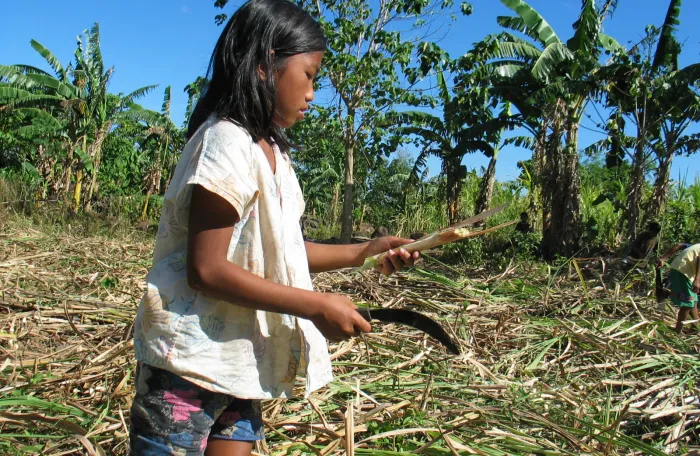
Making future harvests without child labour
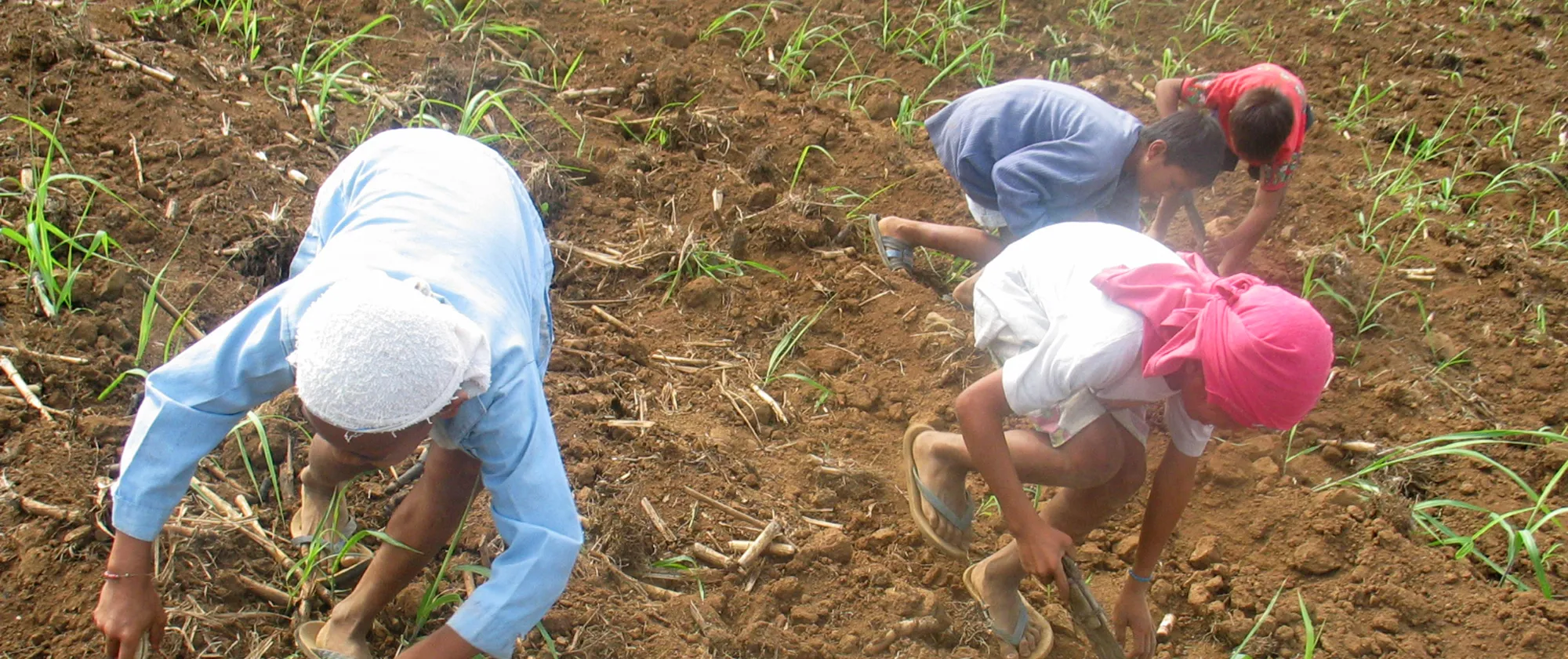
Through education, non-formal services, and awareness-raising initiatives, the project withdrew and prevented 44,500 girls and boys from six of the worst forms of child labour:
- plantation and sugarcane,
- domestic work,
- fishing,
- commercial sexual exploitation or prostitution,
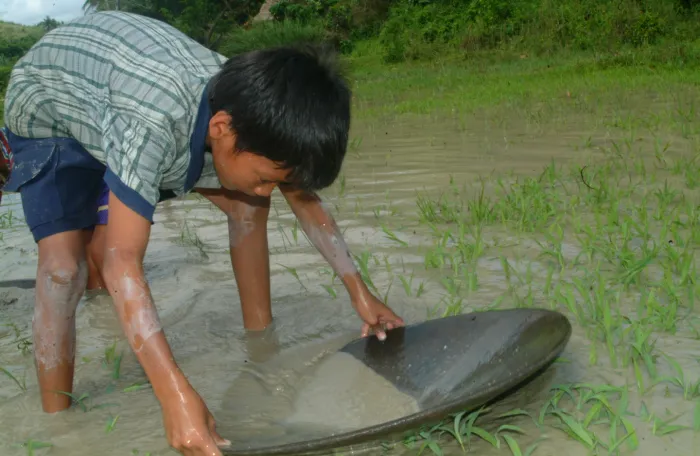
- mining and quarrying
- pyrotechnics production.
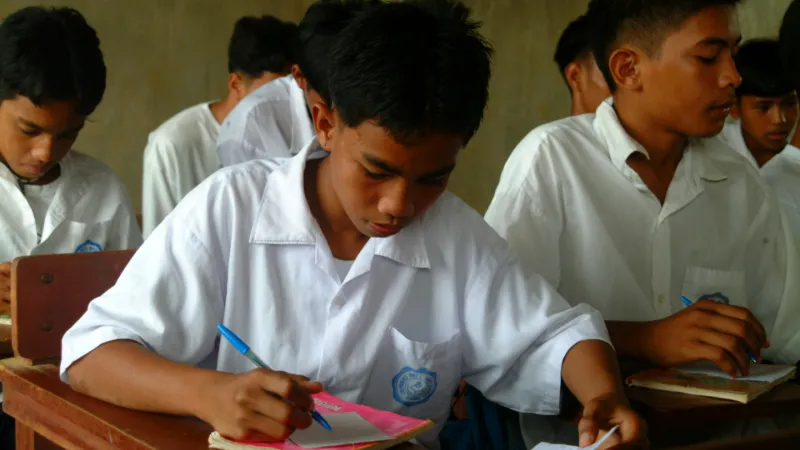
To address the root causes of child labour, families received support for decent work and sustainable livelihoods, including literacy training, microcredit, and vocational and business skills development.

Publications
Assessments
Evaluation
Related content

Child labour
Pilot project on child workers engaged on scavenging in Metro Manila
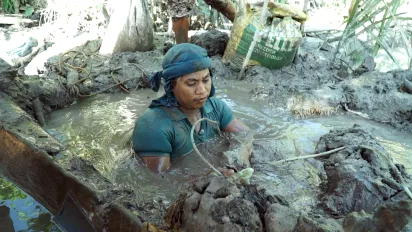
Child labour in gold mining
CARING Gold Mining Project | Convening Actors to Develop and Implement Strategies to Reduce Child Labour and Improve Working Conditions in...