

Child labour
Pilot project on child workers engaged on scavenging in Metro Manila
A partnership between the Government of the Philippines through the Department of Labor and Employment and the International Labour Organization created a scalable model that removed children from hazardous scavenging work in Metro Manila and strengthened efforts to end child labour.
Duration
1 August 1989 - 31 December 1991
Budget
US$ 458,132 + Philippine government contribution of Php 1,540,679
Development partner(s)
International Labour Organization and Government of Netherlands
Reference
PHI/87/MOI/NET
Location
Metro Manila, Philippines
Contact
Susan Gunn, Chief Technical Adviser
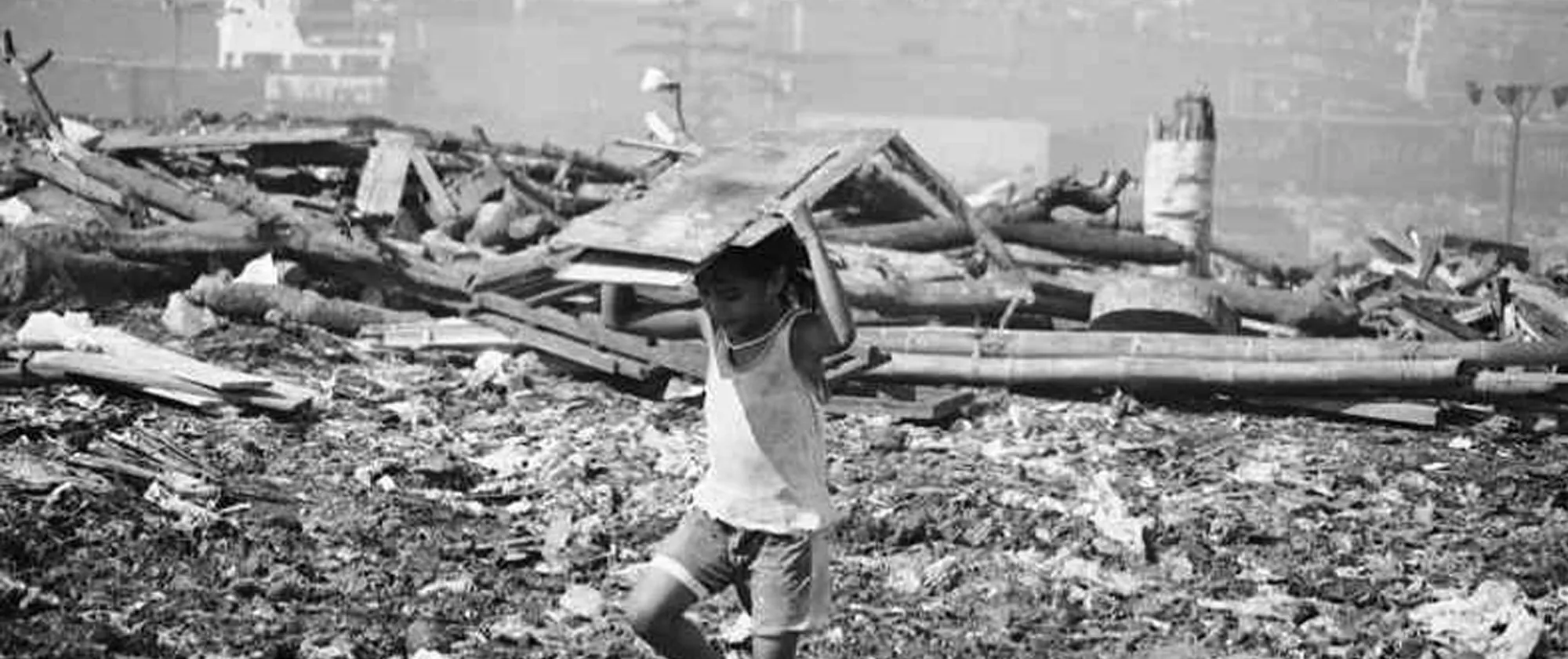
The Pilot project on child workers engaged in scavenging in Metro Manila was a technical cooperation programme between the Philippine Government and the International Labour Organization, implemented by the Department of Labor and Employment (DOLE) through the National Manpower and Youth Council (NMYC). The project tested a programmatic and organizational approach to address the problems of child workers in hazardous work, such as scavenging, using the Smokey Mountain dumpsite as the pilot site.
The pilot phase of the project was originally planned in June 1988 but officially started in August 1989 and ended in December 1991. The project targeted child scavengers who work at the dumpsites of Metro Manila such as Payatas and Smokey Mountain, expanded its coverage to address the problem of child labour on a significant scale and strengthened the model for effective removal of children from hazardous occupations by applying it to itinerant scavengers.
Helping the hard ones
Project and lessons learned
Project report
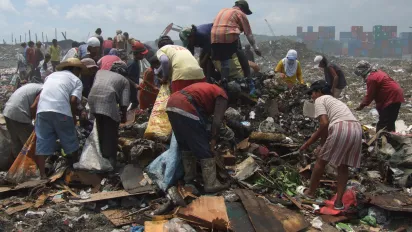
Dilemmas in tackling child labour: the case of scavenger children in the Philippines
Project outline:
Resource mobilization and data gathering (August 1989-November 1989)
- Conducted a preliminary survey of Smokey Mountain organizations through the DOLE research division.
- Identified needs and strategies regarding children from the perspective of community leaders.
- Formed an Alliance and working groups in health, education and livelihood with the assistance of other government agencies.
- Drafted the project workplan, budget and organizational plan.
Testing strategies and beneficiary selection (December 1989-March 1990)
- Established the Drop-in centre and protective services were provided to 250 children.
- Trained community leaders to prepare them for project work.
- Conducted a survey of all Smokey Mountain children.
- Started test programmes for parents of scavenger children in high-speed sewing and job placement and a socioeconomic baseline of 165 children.
Definition of model and implementation (April 1990-June 1990)
- Funding secured through a non-government organization, the Drop-in centre was staffed and community groups were prepared to take over the management.
- Administered tetanus vaccinations to 410 scavengers.
- Conducted baselines on health, educational level, aptitudes and attitudes of the SABANA children.
- Operationalized Sanayan ng mga Batang Nanambakan (SABANA 1) with 28 in-school children attending and no longer scavenging.
Re-assessment (July 1990-October 1990)
- Revised workplan to include publications, audio-visuals and research studies.
- Formed parents group and SABANA 1 expanded to 48 children.
SABANA expansion and consolidation (November 1990-February 1991)
- SABANA II started with 28 out-of-school children.
- Negotiated formal linkages with other agencies.
- Started the conduct of a major survey on health hazards and their effect on child workers.
- Series of planning meetings culminated in a detailed action plan and agreements on project strategy.
Tripartite evaluation (March 1991)
- Concluded that the project was relevant, its strategy was feasible, replicable and sustainable based on positive demonstration effects.
- Extended the project for another phase for consolidation and replication in other child labour situations.
Transition and implementation (June 1991-July 1991)
- Strengthened capabilities of community workers through trainings conducted.
- Established a new administrative office of the NMYC in Taguig for project staff.
Re-opening of SABANA (August 1991-December 1991)
- Increased enrollment of beneficiaries due to more defined programmes and enhanced capabilities of community workers.
- Benefitted 30 out-of-school scavenger children under the vocational preparation programme.
Sanayan ng mga Batang Nananambak (SABANA)
Related content

Child labour
International Programme on the Elimination of Child Labour (IPEC) Time-Bound Programme in the Philippines
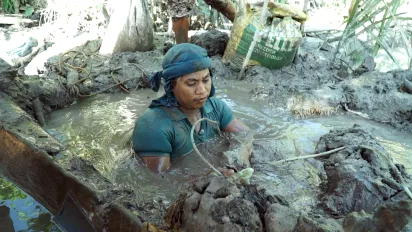
Child labour in gold mining
CARING Gold Mining Project | Convening Actors to Develop and Implement Strategies to Reduce Child Labour and Improve Working Conditions in...