

Occupational Safety and Health
Tanzania moves to protect sanitation workers’ health, safety and dignity
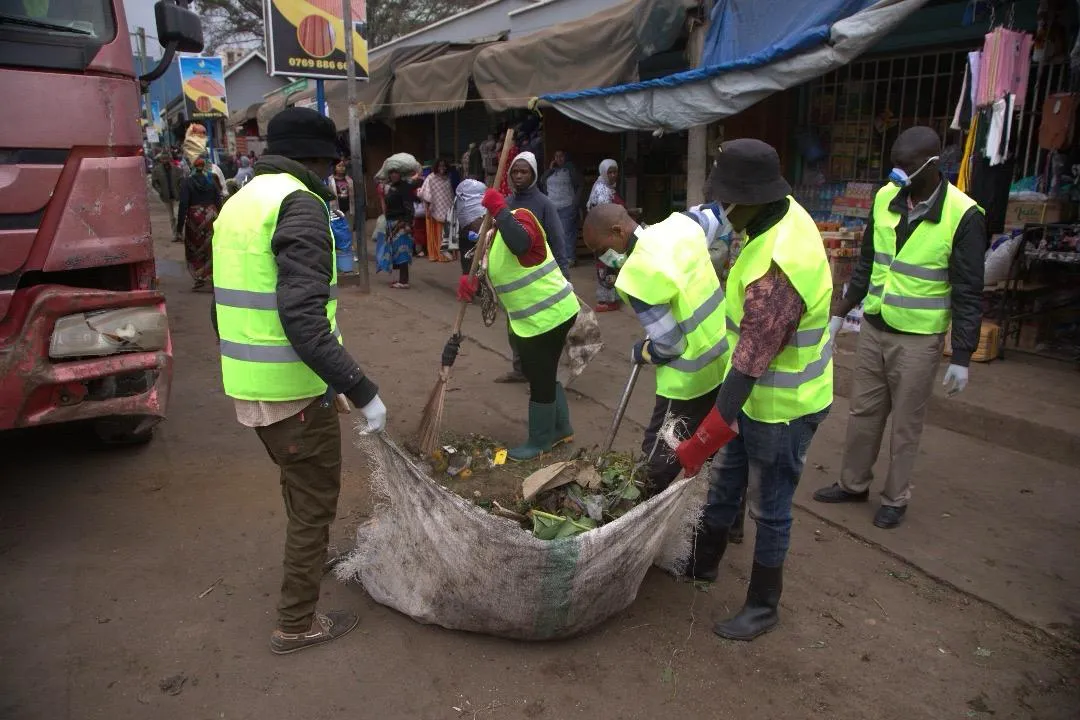
Arusha (ILO News) - Tanzania has taken a bold and unprecedented step in advancing the rights, recognition, and protection of sanitation workers, a group of essential but often invisible frontline workers who safeguard public health while facing daily risks to their own safety and dignity.
12 August 2025
In collaboration with the International Labour Organization (ILO) and national tripartite partners, the Ministry of Health convened a five-day dialogue in Arusha from 12–16 August. The initiative brought together sanitation workers, government officials, trade unions, service providers, and policymakers in a collective effort to address the pressing challenges confronting this workforce. Over 88 sanitation workers and 20 policymakers participated, marking one of the most inclusive platforms ever created in Tanzania for sanitation workers’ voices to be heard.
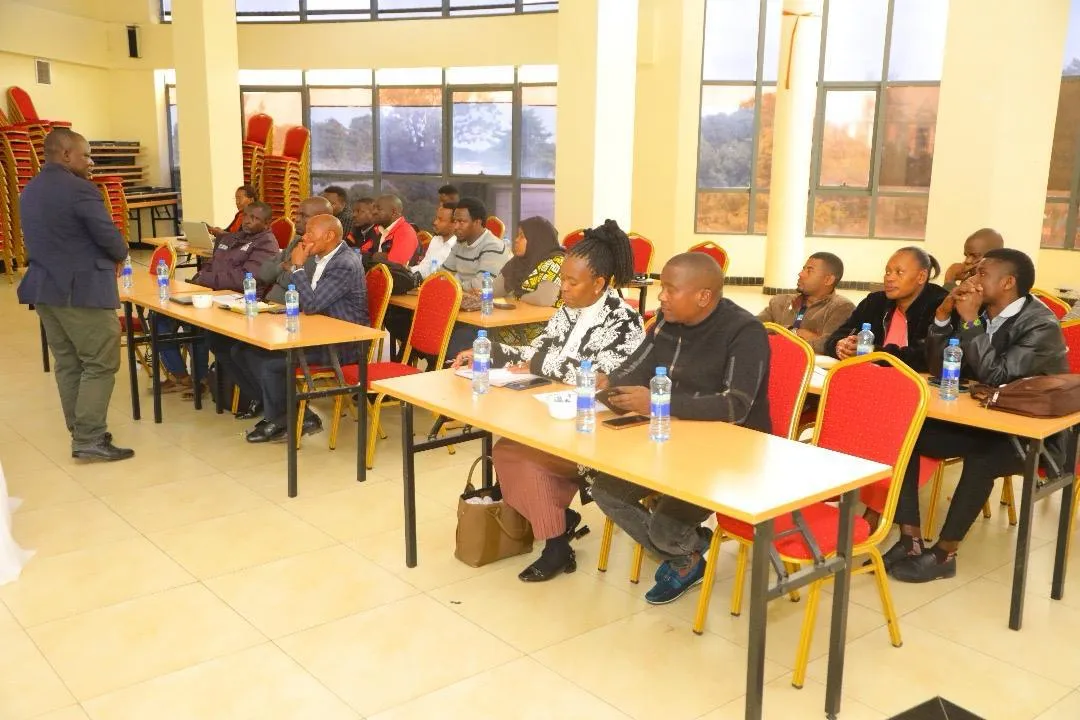
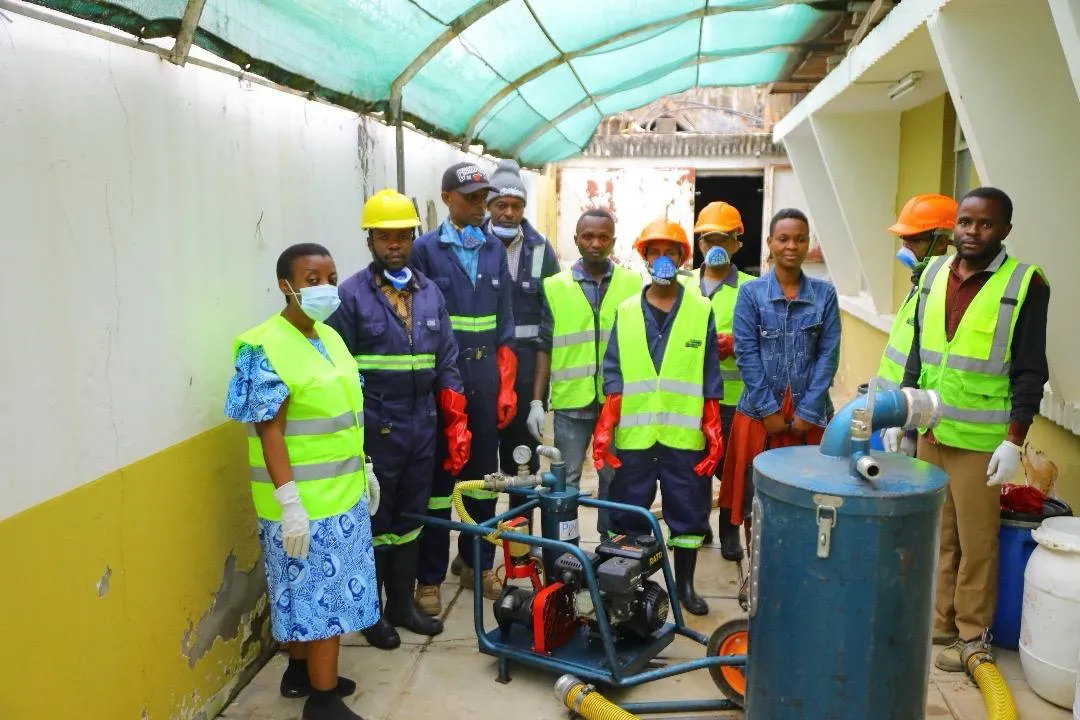
Throughout the sessions, participants validated new training materials and national guidelines designed to improve occupational safety and health (OSH) practices in the sector. The dialogue also served as a platform to disseminate tools that sanitation workers can use to protect themselves from hazards and to promote safer workplaces. Importantly, participants worked together to draft a roadmap for action, outlining measures to extend OSH protections, scale up social protection, and strengthen institutional coordination.
For sanitation workers, many of whom have long felt neglected, the dialogue marked a turning point. “This process has given us knowledge and confidence to protect ourselves at work,” said one worker from Arusha. “For the first time, we feel that our contribution to society is recognized.” Their testimonies underscored the risks they face daily, from handling hazardous waste without proper protective equipment to enduring stigma from the very communities they serve.
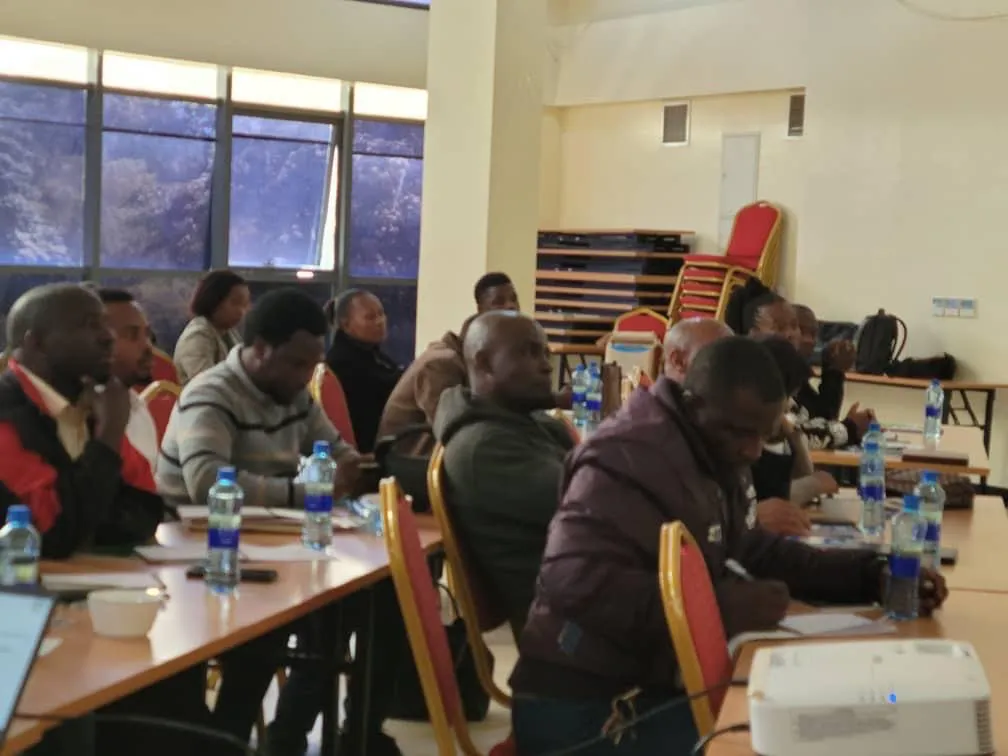
The dialogue not only highlighted challenges but also pointed to tangible pathways for improvement. Participants emphasized the need for sustained training at community level, more structured collaboration between local authorities and service providers, and stronger recognition of sanitation workers within labour laws and policies. Discussions also reinforced the importance of linking workers to social protection schemes, including health insurance and pension coverage, as a means of safeguarding livelihoods and building resilience.
ILO National Project Coordinator Gertrude Sima underscored the transformative potential of the initiative.
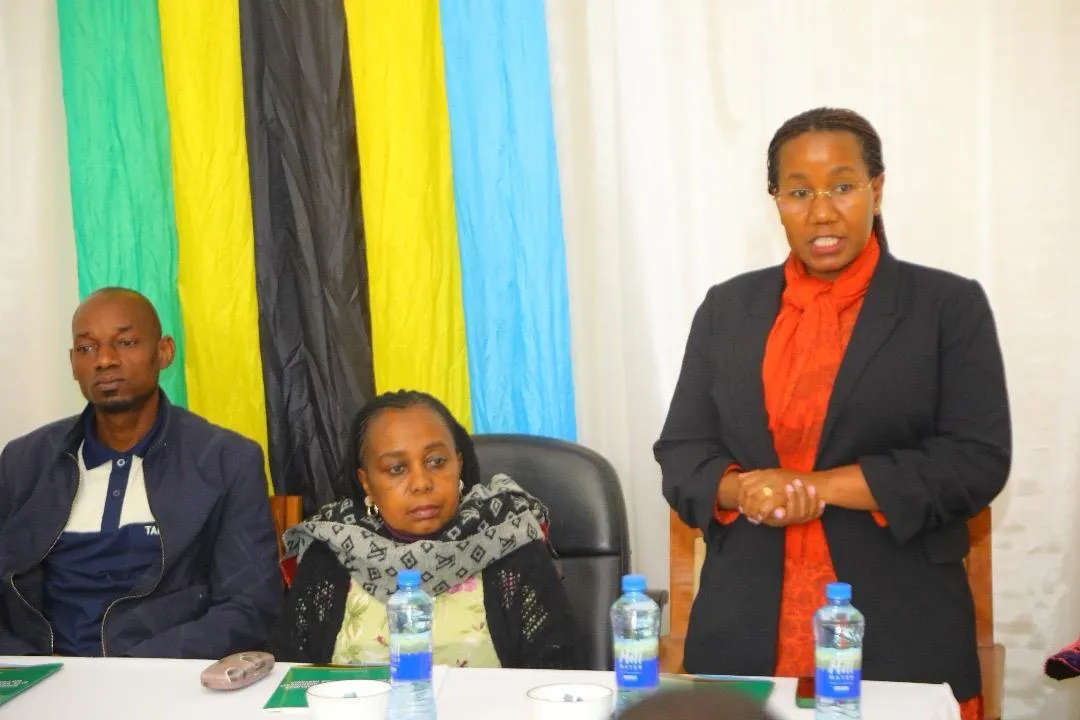
Extending labour protection to sanitation workers is not only a matter of rights and dignity, but also essential for building resilient, inclusive, and healthy cities,” she said. Her remarks reflected the ILO’s broader mandate to ensure that no worker, however marginalized, is left behind in the pursuit of decent work.
The impact of the Arusha dialogue extends well beyond the training room. The outcomes will directly feed into the development of a national action plan for sanitation workers. This plan is expected to strengthen policy frameworks, promote greater accountability across institutions, and pave the way for Tanzania’s ratification of two critical ILO conventions: the Occupational Safety and Health Convention, 1981 (No. 155) and the Promotional Framework for Occupational Safety and Health Convention, 2006 (No. 187). Both instruments are fundamental to building stronger national OSH systems that safeguard workers in all sectors, including those in the informal economy.
By connecting frontline workers to national institutions and embedding their needs into legal and policy processes, Tanzania is demonstrating how commitment to decent work can translate into meaningful change on the ground. The Arusha dialogue stands as a milestone in the country’s journey toward inclusive growth, improved public health, and stronger social protection systems. It also highlights the ILO’s pivotal role in convening partners, building capacity, and creating platforms where marginalized voices are not only heard but acted upon.
As Tanzania moves forward, the recognition and empowerment of sanitation workers sends a powerful message: decent work is not a privilege for a few but a right for all. With the foundations now laid through this dialogue, sanitation workers across the country can look toward a future where their safety, dignity, and contribution to society are fully acknowledged and protected.