


Topic portal
Artificial intelligence
In the world of work, there are two distinct types of application of AI technology in the workplace. The first is directed at automating tasks that workers perform; the second is to use AI-based analytics and algorithms to automate managerial functions – or what is commonly referred to as “algorithmic management”.
When AI is used to automate tasks, it doesn’t necessarily lead to redundancies, as the technology can also complement human labour when certain tasks are automated. Whether technological adoption leads to automation (job loss) or augmentation (job complementarity) depends on the centrality of the automated task to the occupation, how the technology is integrated into work processes and management’s desire to retain humans to perform or oversee some of the tasks, despite automation’s potential. As AI transforms occupations, a workforce equipped with necessary skills in machine learning, data science, and AI ethics is crucial for harnessing its potential.
In addition to the potential effects on workers, AI’s integration into the workplace can also have consequences for organizational performance, including productivity, with spillover effects on economic performance. For this reason, unequal access to the technology stemming from infrastructure bottlenecks, skill deficiencies or simply the cost of the technology can widen existing productivity divides between countries as well as between large and small or micro enterprises.
Key resources

ILO Working Paper 140
Generative AI and Jobs: A Refined Global Index of Occupational Exposure

World Day for Safety and Health at Work 2025: Global Report
Revolutionizing health and safety: The role of AI and digitalization at work
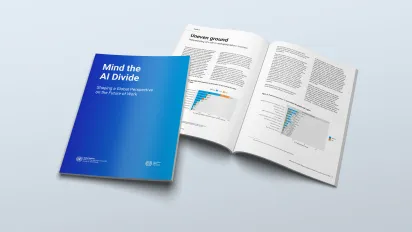
United Nations and International Labour Organization report
Mind the AI Divide: Shaping a Global Perspective on the Future of Work
News and stories

Digital skills and AI
AI training helps turn technical skills into enterprise opportunities
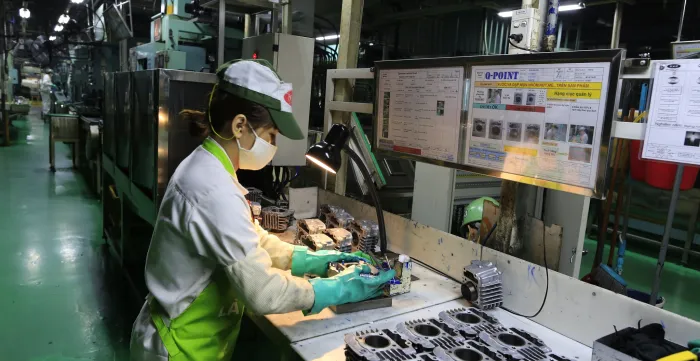
Viet Nam advances enterprise workforce development with new training fund framework

AI impact on jobs
ILO researchers developed a methodology to estimate the effects of generative AI on existing occupations.
Global AI workforce
The development and deployment of AI systems requires a vast array of professional skills such as computer scientists and machine learning experts, but also professionals who tag, classify, clean and validate data used in the training of AI systems, as well as in other areas of the digital economy, including e-commerce and social media platforms.
Though there are no exact figures on the numbers of workers involved in this work – estimates are in the tens of millions – what is clear is the critical role that that this form of invisible labour plays in ensuring that the “magic” of AI works as planned.
The work is performed either on microtask or crowdsource platforms or in business processing outsourcing (BPO) companies, with many of the workers located in the Global South. As AI becomes increasingly embedded in our lives, it is crucial to acknowledge and address this human element that is central for the smooth function of AI systems. By ensuring fair labour practices, promoting transparency, and valuing the contributions of these invisible workers, we can build a more ethical and sustainable AI ecosystem.
Latest publications and documents
Research brief
Artificial intelligence adoption in Chinese enterprises: Productivity effects, workforce implications, and policy challenges
Publication
Changing landscape of skills in the age of AI
ILO Working Paper 175
Does a General-Purpose Large Language Model Improve Physicians’ Clinical Reasoning?
See also

Portal
Observatory on AI and Work in the Digital Economy

Topic portal
Algorithmic management in the workplace

Topic portal
Digital labour platforms

Topic portal
Workers’ personal data