

Skills development
Africa draws up a common roadmap for integrating artificial intelligence into vocational training
Meeting in Abidjan, Côte d'Ivoire, members of the African Network of Vocational Training Institutions and Funds (RAFPRO) and their partners adopted the Abidjan Declaration on Artificial Intelligence, a joint commitment to integrate AI into vocational training systems in Africa.
11 December 2025
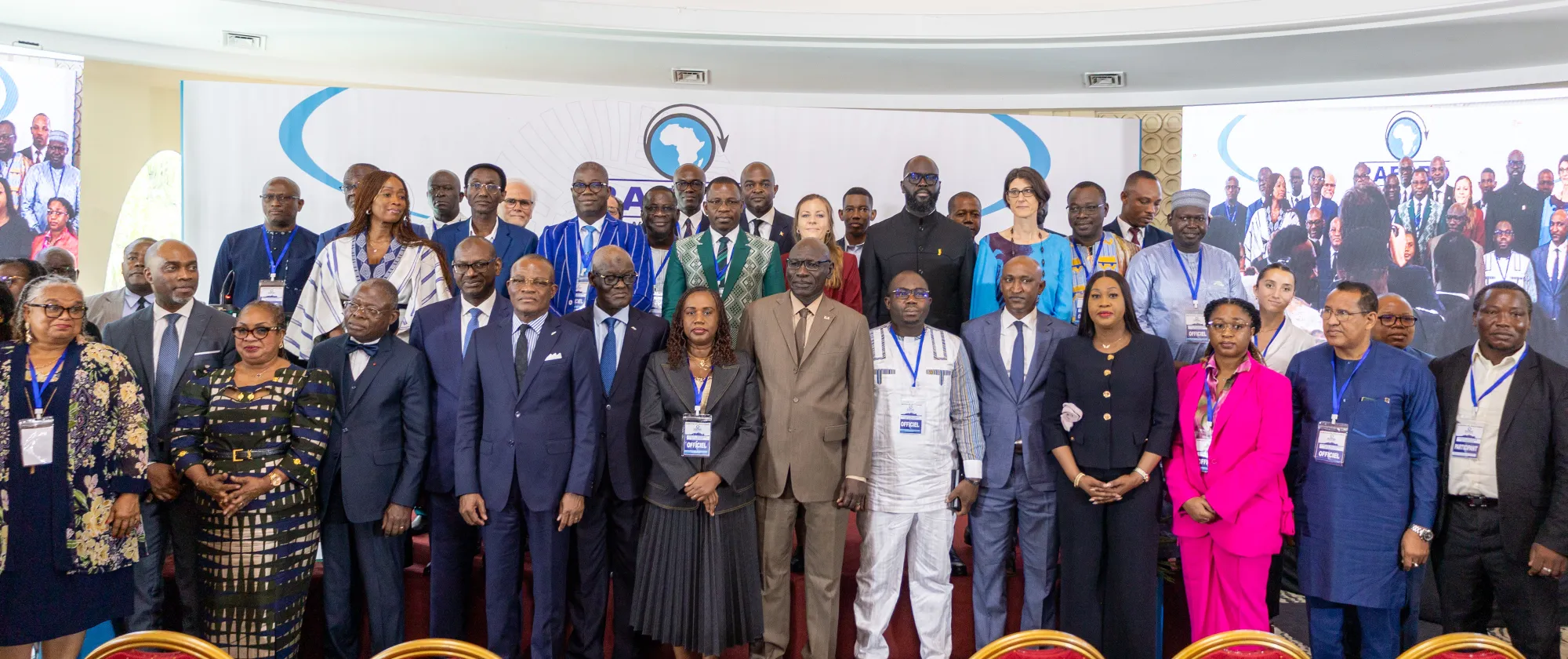
ABIDJAN (ILO News) – Government officials, social partners, training institutions and technical and financial partners gathered on 9 and 10 December at the Sofitel Hotel Ivoire to discuss the future of vocational training in the age of artificial intelligence.
Organised by the African Network of Vocational Training Institutions and Funds (RAFPRO), with the support of the International Labour Organisation (ILO) and GIZ, the regional workshop resulted in a strong commitment: the adoption of the "Abidjan Declaration on Artificial Intelligence, Employability and Competitiveness of African Enterprises," which lays the foundations for an inclusive, equitable and sovereign digital transformation of the continent.
A strong political commitment
The official opening was attended by high-level figures, including the President of the Vocational Training Development Fund (FDFP), Mr Siama Bamba, the Honorary President of RAFPRO, Mr Pierre Henri Coffi, the President of RAFPRO, Dr Philippe N’Dri, and the Chief of Staff to Mr Koffi N’Guessan, Minister of Technical Education, Vocational Training and Apprenticeship of Côte d’Ivoire.
In her speech, Ms Fanfan Rwanyindo, ILO Regional Director for Africa, pointed out that AI ‘transforms tasks rather than eliminating jobs’, while drawing attention to the increased exposure of women and low-skilled workers to the effects of automation. She stressed the need to prepare Africa to seize the opportunities of the digital transition, emphasising that ‘technology must serve people’ and that AI must be integrated into a framework that respects rights, social protection and social dialogue.

During the two days of proceedings, participants alternated between ministerial panels, discussions with technical and financial partners, committee work and technology demonstrations. The discussions highlighted the rapid pace of change in the labour market, the accelerated obsolescence of skills and the growing need for sovereign digital infrastructure.
The results of an ILO survey on African workers' exposure to AI were also presented in plenary, highlighting the risks of inequality but also the potential for creating economic opportunities.
In the thematic committees, RAFPRO member institutions explored two key dimensions in greater depth: the impact of AI on employability, led by Senegal's 3FPT, and the impact of AI on business competitiveness, led by Côte d'Ivoire's FDFP. The discussions highlighted the need to integrate AI and advanced digital culture into curricula, to professionalise trainers and to provide stronger support to small and medium-sized enterprises in their digital transition.
A highlight of the workshop was the demonstration of an immersive training platform integrating virtual and augmented reality, designed as part of the Agro-Djossi project funded by the FDFP, illustrating the new educational possibilities offered by the digitalisation of learning.
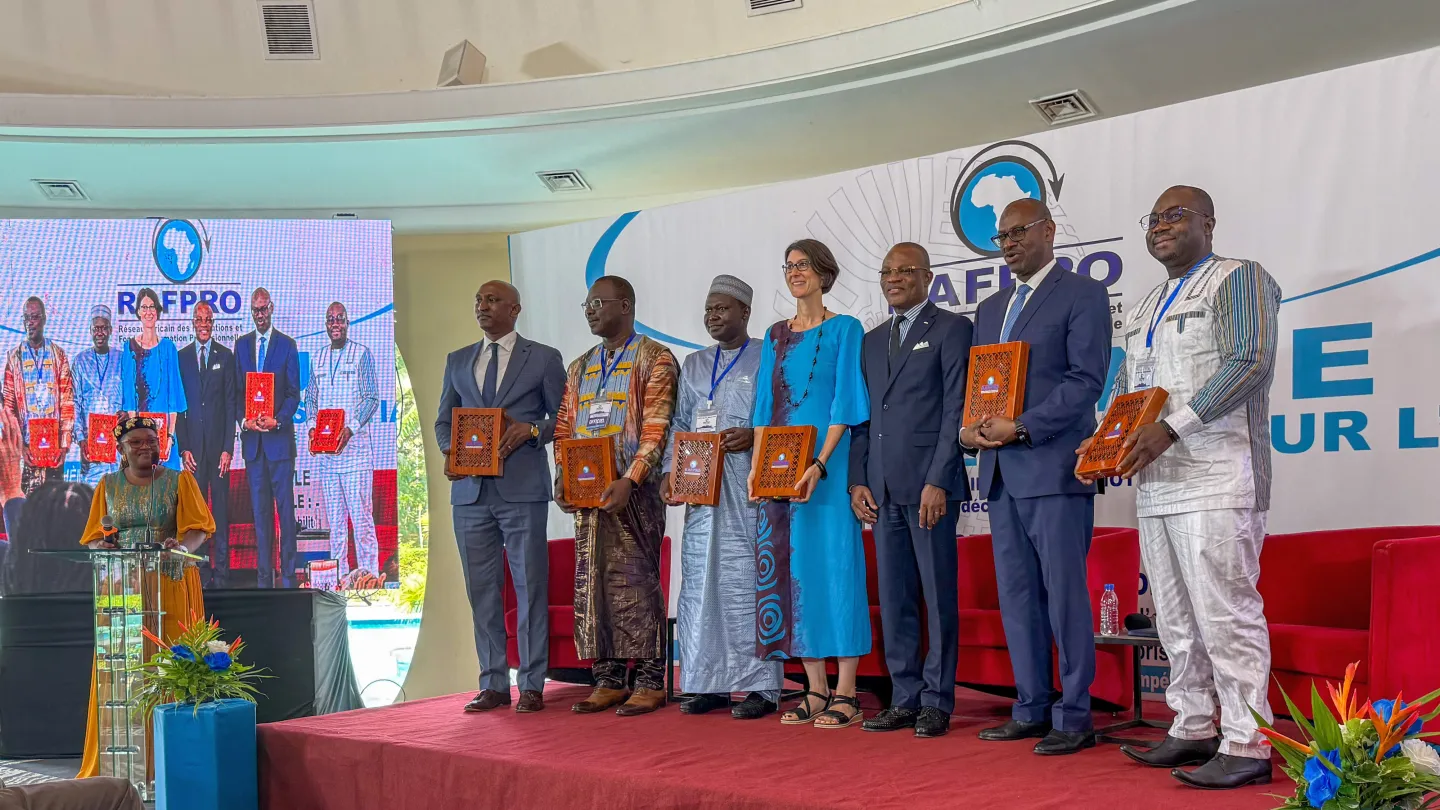
An ambitious declaration for a competitive, inclusive and independent Africa
The adoption of the Abidjan Declaration was the workshop's major achievement. This text commits RAFPRO member institutions to thoroughly modernising vocational training systems, developing an African AI skills framework, training at least 1,000 AI trainers per country by 2027, and deploying technology laboratories in member countries.
The declaration also places inclusion at the heart of regional action, setting a target of at least 40% female participation in AI-related programmes and ensuring equitable access for rural populations, vulnerable young people, and persons with disabilities. Finally, it stresses the importance of ensuring the continent's digital sovereignty through data governance mechanisms, strengthening cybersecurity and promoting African technological solutions.
It calls on African states to integrate AI into their public policies, develop robust digital infrastructure and invest in research and innovation. It also invites technical and financial partners, including the African Development Bank, the European Union, UNESCO, the ILO and GIZ, to provide sustainable support for this strategic transformation.
A turning point for skills development systems in Africa
At the close of the workshop, participants praised it as a landmark event that paves the way for a new phase of African cooperation in the field of skills. The Abidjan workshop marks a decisive moment: Africa is choosing to anticipate technological change, strengthen its digital sovereignty and put innovation at the service of decent work, youth employability and business competitiveness.
Related content

ILO's Africa Skills Hub

ILO Global Skills Programme

Portal
Observatory on AI and Work in the Digital Economy