

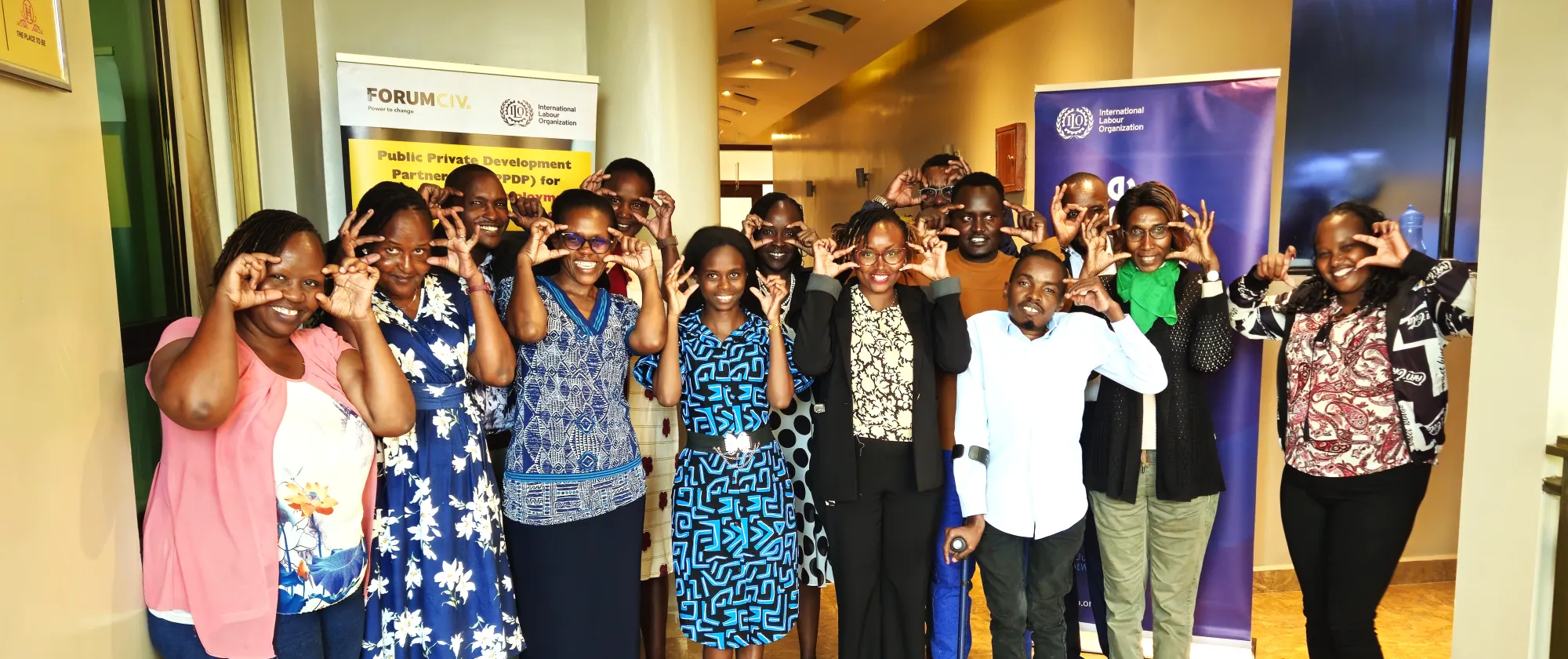
Gender and inclusion champions
Who is missing? Making Kenya’s fodder and tourism sectors more inclusive
The ILO is working with organizations in Kenya’s fodder and tourism sectors to turn commitments on gender equality and inclusion into workplace action – starting with a simple question: who is missing?
21 September 2026
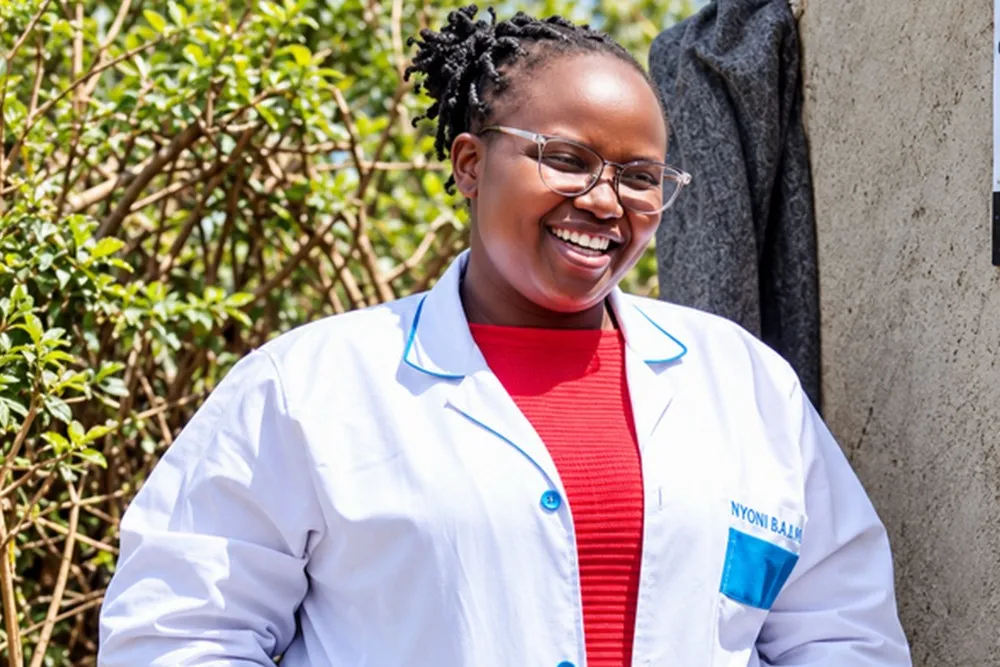
NAIROBI (ILO News) - At Tiddy Fodder Farm in Narok County, Neema Wangui Mwangi has taken on a new responsibility alongside managing the business: asking who benefits from opportunities – and who may still be left out.
As the farm’s gender and inclusion focal person, she is helping bring questions of equality and inclusion into everyday decisions about recruitment, training, workplace practices and business opportunities.
I aim to champion a culture where diversity is not merely represented but felt, valued and given a voice – creating meaningful opportunities for every person to grow and thrive
Neema Mwangi, gender and inclusion focal person at Tiddy Fodder Farm.
Mwangi is one of five focal persons appointed across four organizations working with the International Labour Organization (ILO) Public-Private Development Partnership (PPDP) Phase II project in Kenya’s fodder and tourism sectors.

Starting with an honest baseline
Between July and September 2026, the four organizations completed a self-reported baseline assessment covering employment, pay, workplace policies, care responsibilities, suppliers, disability inclusion and occupational safety and health. The assessment is intended to be repeated over time to track change, rather than to rank organizations.
The findings showed both existing good practices and areas where more could be done.
Women held 15 of the 38 jobs reported by the organizations, or 39 per cent, and two of six management positions. All four reported equal pay for equal work, timely payment, flexibility in emergencies and induction for new workers.
At the same time, only one reported having a written policy covering discrimination and harassment. None reported physical accessibility measures, while information on workers with disabilities was largely unavailable.
Those gaps matter because without clear policies, accessible workplaces and reliable data, it is harder for organizations to understand who is participating and where barriers may remain.
For the focal persons, that is where the work begins.
Turning findings into action
At Nduwa Farm Products in Nakuru County, Melvin Jerop Chesire combines her gender and inclusion role with responsibility for administration and sales.
The enterprise already offers flexible working hours and protective equipment that fits women, and a woman is among its supervisors. Its next steps include developing written policies on discrimination and sexual harassment, creating a way for workers to raise concerns and strengthening machine and fire safety.
My aim is to promote gender equality and inclusion at Nduwa Farm by ensuring that all employees are treated fairly, respectfully and without discrimination
Melvin Chesire, gender and inclusion focal person at Nduwa Farm
At Tiddy Fodder Farm, the focus also extends beyond the workforce to the businesses it buys from. The enterprise records women-led businesses in its supply chain: two of its nine suppliers and one of its two distributors.
Keeping track of who participates in the supply chain gives the farm a clearer picture of where opportunities already exist and where they could be widened.
KECOBAT Network Limited, which supports community-based tourism organizations, starts from a different position. Women make up five of its eight staff and lead its finance, membership and capacity-building portfolios. It also reports having written policies on discrimination, harassment, complaints and maternity.
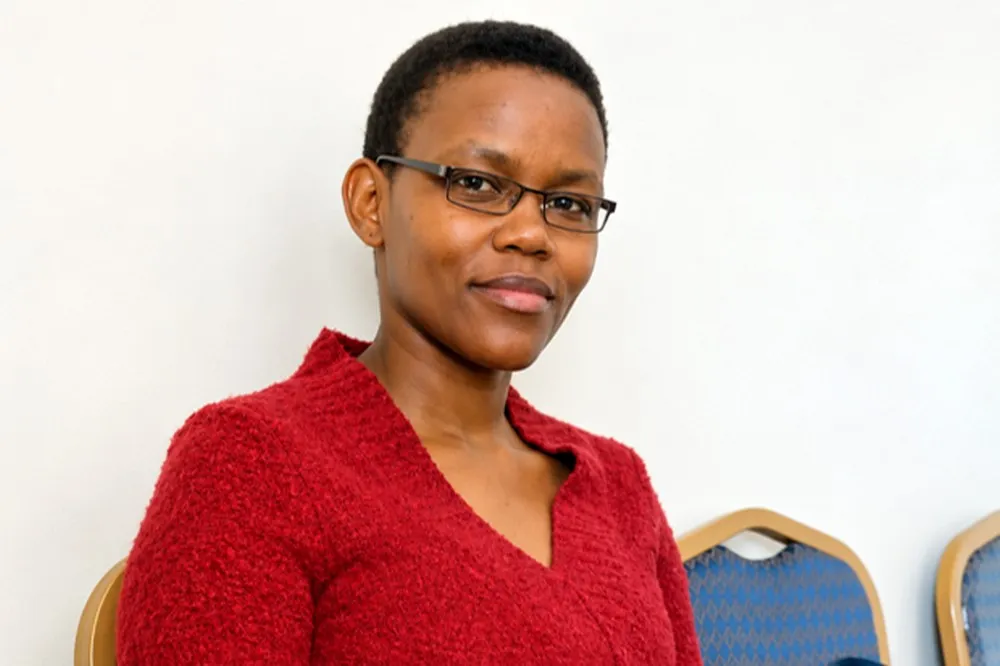
For its gender and inclusion focal person, Brenda Murgong, the next step is to build on those foundations.
Her priorities include strengthening accident recording and improving data on young people and persons with disabilities – information that can help the organization better understand who is participating and where additional support may be needed.
Opening opportunities to more people
At Ilaramatak Mechanisation Cooperative in Kajiado County, gender and inclusion focal person Serah Sironka works alongside youth inclusion focal person John Tinga.
Women and young members already take part in activities including aggregation, raking, baling, harvesting and record keeping. But the organization has identified transport, working capital, timing and social norms among the factors that can limit participation.
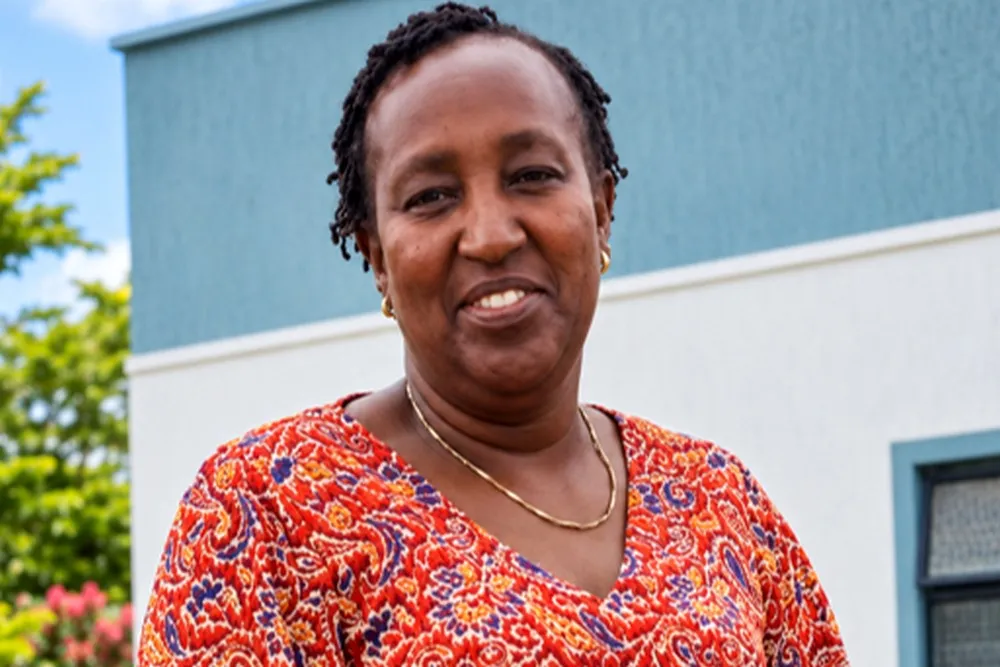
Sironka is particularly interested in ensuring that opportunities created through mechanization are open to more people.
My aim is to involve everyone in the mechanization process, including women, youths and people with disabilities.
Serah Sironka, gender and inclusion focal person at Ilaramatak Mechanisation Cooperative
For Tinga, bringing more young people into the fodder value chain is part of the same effort.
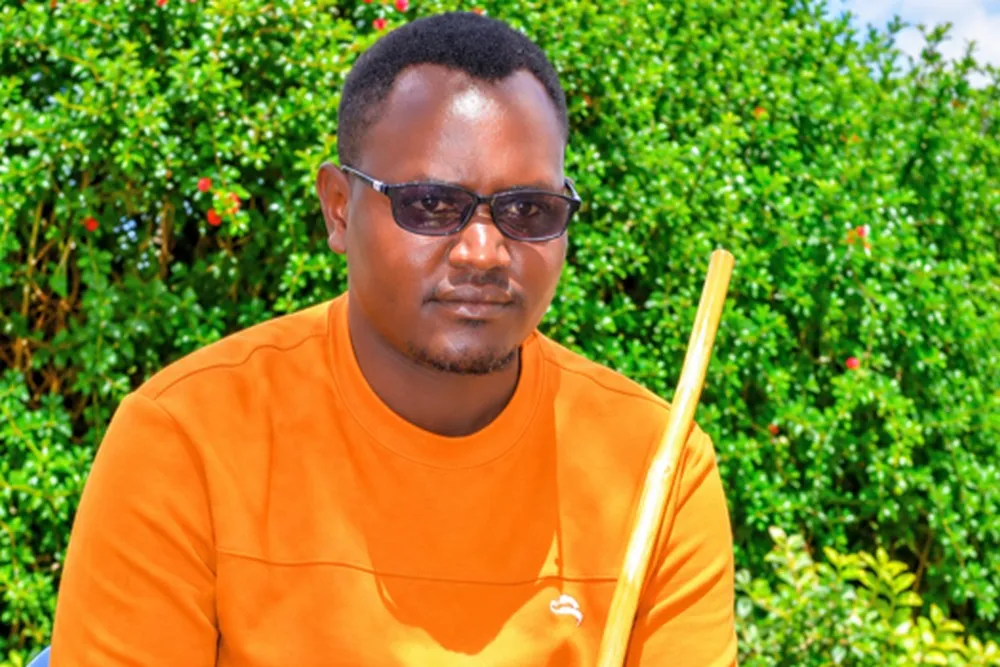
“I want to use my voice and position to ensure that every person, regardless of gender, age, ability or background is heard, valued and given an equal opportunity to participate and thrive,” he says.
Keeping the question alive
The five focal persons cannot by themselves remove wider barriers such as unequal access to land and credit, unpaid care responsibilities or long-standing social norms.
But organizations make everyday decisions that shape opportunity: who is encouraged to apply for a job, who receives training, whether working arrangements take account of care responsibilities, how safe and accessible workplaces are, and whether organizations know who is participating in the first place.
Their influence can also extend beyond their own workplaces. The four organizations work with smaller enterprises, cooperatives, suppliers, farmers and community groups. Changes in how they recruit, train, support and buy from others can therefore reach further along their value chains.
Whether those changes last will become clearer when the baseline assessment is repeated.
For now, the focal persons have a simple but important role: to keep asking who benefits, who is missing and what could be done differently.
And in sectors where opportunities are growing, asking that question consistently may be one of the most important steps towards making sure more people can share in them.
About the project
The International Labour Organization’s Public-Private Development Partnership (PPDP) Phase II project, funded by the Swedish International Development Cooperation Agency (Sida), works in Nakuru, Kajiado and Narok counties to promote inclusive, decent employment and productive livelihoods. The project brings together public institutions, private sector actors and communities to strengthen market systems in the fodder and tourism sectors, with a focus on creating better opportunities for women, persons with disabilities and young people. The project applies a market systems development approach.
Additional details
References
- DOI: N/A
Related content
Small farms, big impact
More than grass: the women helping build Kenya's fodder economy

Gender analysis
From data to dignity: Gender-responsive design is strengthening livelihoods in Kenya
Gender equality
How Narok County in Kenya is ending female genital mutilation and opening doors to opportunity

Care economy
Bridging Kenya’s intergenerational care gap
Relevant projects
Public-private development partnerships for inclusive decent employment and productive livelihoods