

Small farms, big impact
More than grass: the women helping build Kenya's fodder economy
In Kenya’s Rift Valley, Elizabeth Masasi’s story shows how fodder farming can create new opportunities for women, while revealing the barriers that still hold many back.
27 August 2026
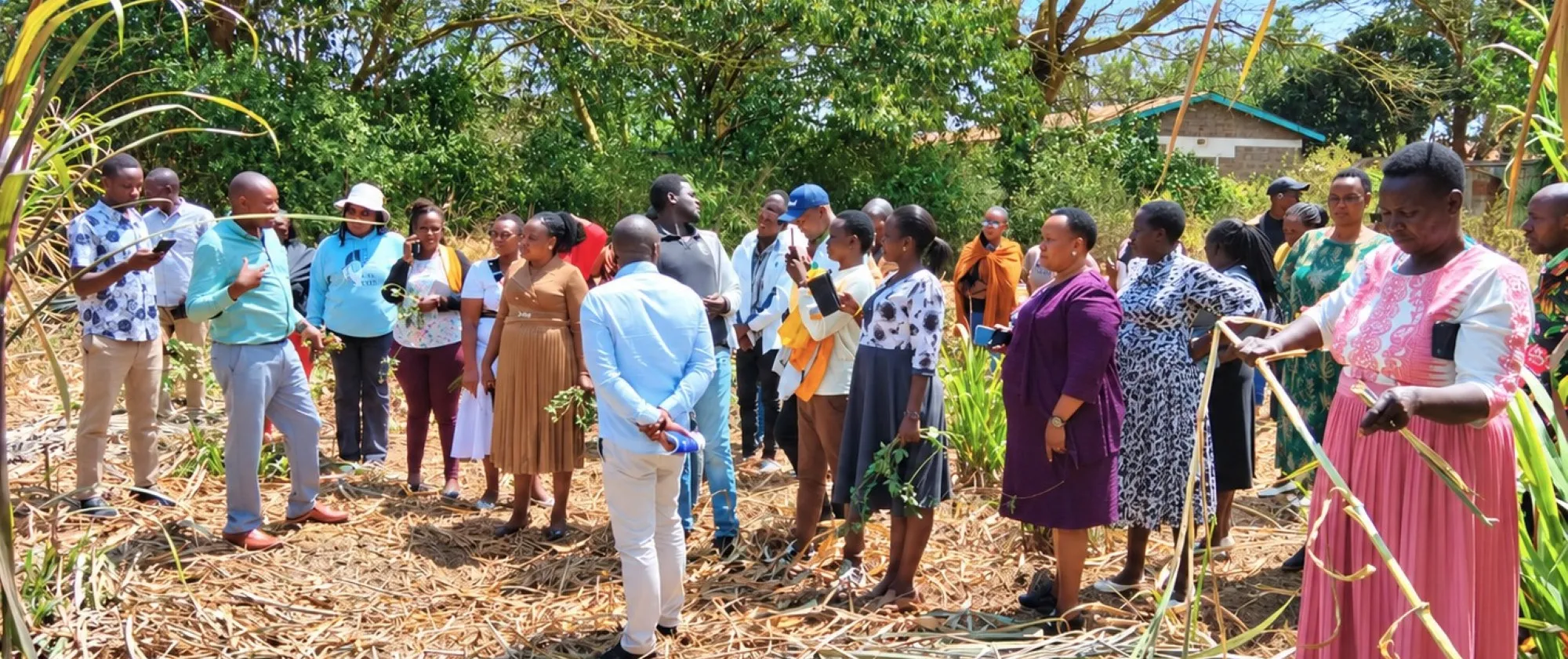
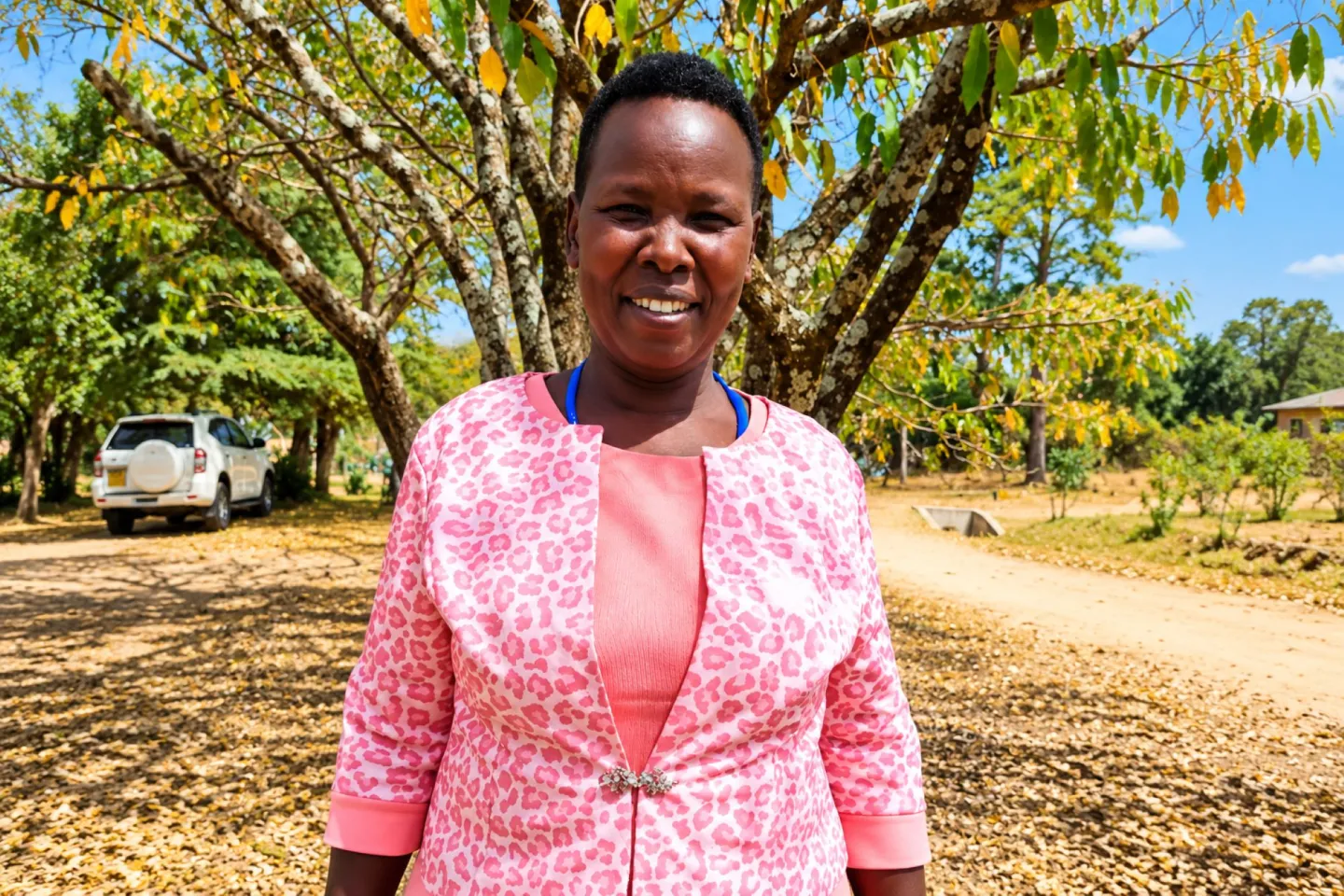
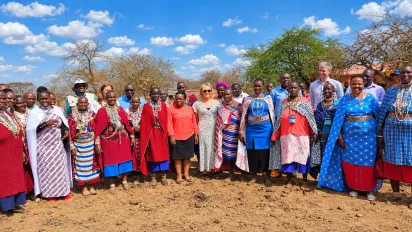
NAROK, Kenya (ILO News) – Elizabeth Masasi knows that what cows eat can make a big difference. As secretary of the Mulot Kogos Dairy Cooperative in Narok County, she has spent years learning about different types of fodder and how combining them can improve dairy production.
It was not knowledge that came overnight. “We did not even know these names,” she says, recalling when she first encountered crops such as lucerne and desmodium. “I only found out about them while I was training.”
The cooperative began as a group of widows looking for ways to improve their livelihoods. Feed was one of their biggest challenges. Members leased two acres of land and began growing fodder but soon realised that relying on one variety was not enough.
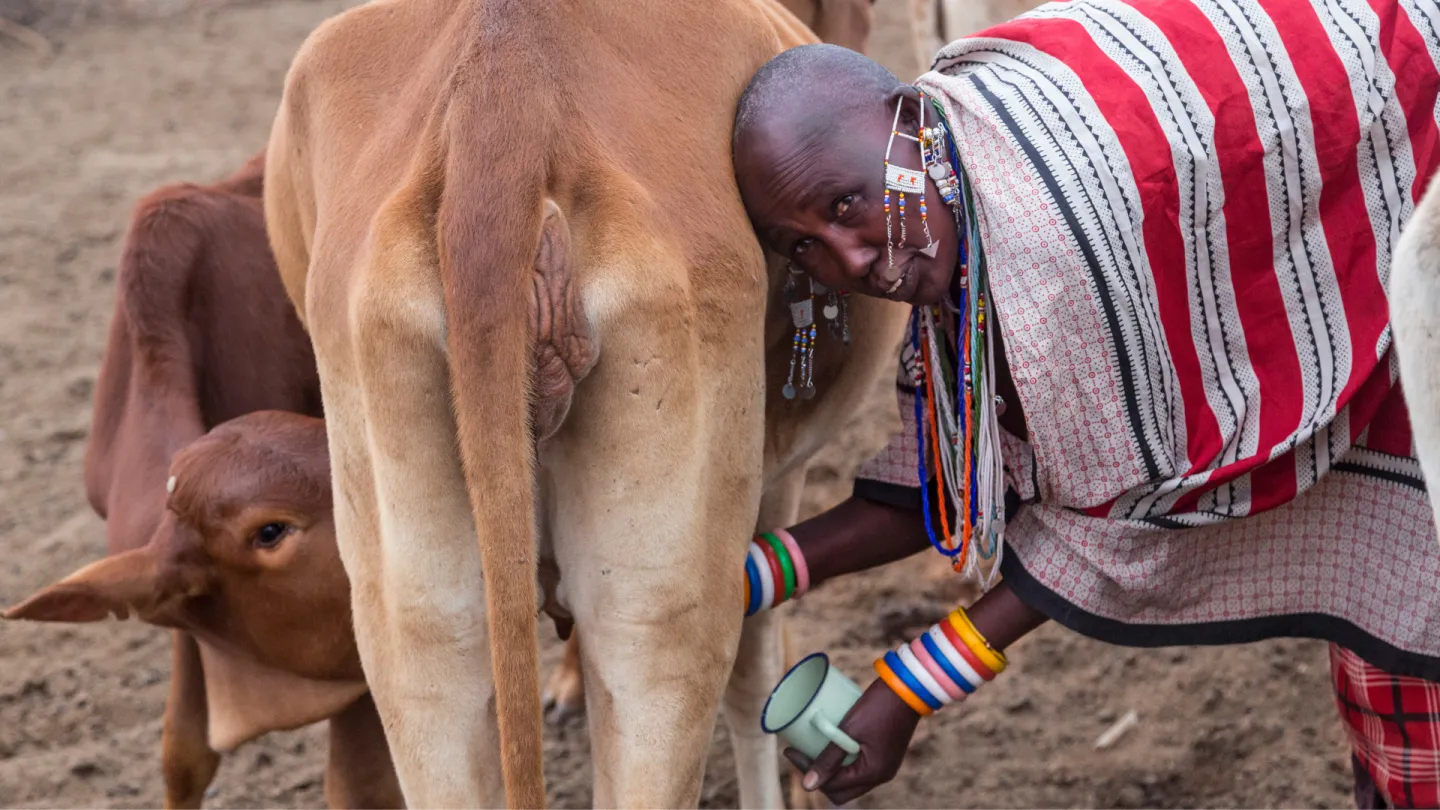
Over time, and with training and support from different partners, they learned to grow and combine different types of fodder, including lucerne, desmodium, Napier and Panicum grasses. “We give it to the cows, and the milk production improves,” Elizabeth explains.
Today, the cooperative buys and sells milk and makes yoghurt, while Elizabeth has become an experienced farmer and cooperative leader who shares what she has learned with others.
Winning the argument at home
Changing farming practices was not always easy. Elizabeth’s own children questioned why she was giving so much land to fodder. “They would say, ‘Mum, you have planted grass for the cows all over the farm. Where will we plant maize?’”
Other women faced resistance from husbands and relatives, and some asked Elizabeth to help convince their families. Her argument was practical. “This grass is being planted for your cows. It will remain on your farm to benefit your livestock.”
Over time, attitudes began to change. Women in the group now plant fodder, share planting material and visit neighbouring homesteads to pass on what they have learned.
For Elizabeth, the economic value is clear.
“When a woman is trained, she can do better,” she says. “The milk means school fees and food for the children.”
A growing market, but unequal opportunities
Elizabeth's experience reflects a wider shift. As livestock producers seek more reliable and higher-quality feed, fodder is increasingly becoming a business in its own right, creating opportunities in production, processing, transport, aggregation, quality assurance and marketing.
But not everyone can access those opportunities equally.
An ILO-supported gender analysis in Nakuru, Narok and Kajiado counties found that women are well represented in fodder production and small-scale retail but are far less present in higher-value activities such as aggregation, transport and mechanized processing.
Several barriers reinforce each other. Women have less access to land, finance and equipment, while also carrying a heavy burden of unpaid care work. Social norms can also shape who owns and controls productive assets.
Transport provides one example. In Narok, the analysis found that women producers were more likely to move fodder on foot, while men were more likely to use motorcycles.
That affects how much fodder women can transport, the markets they can reach and ultimately how much they can earn.
“We involve everyone”
Machinery presents another challenge. Elizabeth’s cooperative has a machine for chopping fodder, but not all members know how to operate it.
“If we do not have these young people, nobody will operate that machine,” she says. “We are mostly women, so we involve everyone, including the young people.”
An ILO-supported skills assessment of the fodder sector in the three counties points to a wider skills shortage. Forty-two per cent of enterprises surveyed reported shortages of competent machinery operators and technicians, while 48 per cent reported problems with machine downtime and poor calibration.
The assessment also identified demand for skills in harvesting, silage making, quality assurance, digital commerce and business management.
Women and young people could help fill those gaps, but they do not always have equal access to the training, equipment and experience needed to enter technical roles.
Building a skills system that follows the market
The ILO’s Public-Private Development Partnerships for Inclusive Decent Employment and Productive Livelihoods project, funded by the Swedish International Development Cooperation Agency (Sida), is working in Nakuru, Narok and Kajiado counties to address some of these wider constraints.
Rather than focusing only on individual farmers, the project works with enterprises, training institutions and public agencies to strengthen the wider market and the skills system supporting it.
One response has been the development of a dedicated Fodder Production Technician curriculum covering production, mechanization and quality assurance. It also creates a pathway for experienced workers to have skills they already possess formally recognized.
The project is now working with Elizabeth through Tidy Farms, drawing on her experience and her cooperative networks to reach other farmers.
For Elizabeth, the learning continues. During a recent ILO-supported training, she encountered a fodder variety she had not seen before and was keen to learn whether it could work on her farm. “There are still some types of fodder I don’t have access to,” she says. “I am still learning.”
That willingness to keep learning is something she wants other women to share. Her experience has convinced her that women can achieve more when they work together, share knowledge and support one another. “Even if you only have a small piece of land, it can help you,” she says. “Plant little by little, and it will help you.”
She also sees a larger role for the young people who run the cooperative's chopper. With the right skills, they could become operators, technicians and service providers in a growing market.
"When a woman is empowered, she is able to support herself," she says.Her advice to other women is simple. "Even if you only have a small piece of land, it can help you," she says. "Plant them little by little, and they will help you."
About the project
The International Labour Organization’s Public-Private Development Partnership (PPDP) Phase II project, funded by the Swedish International Development Cooperation Agency (Sida), works in Nakuru, Kajiado and Narok counties to promote inclusive, decent employment and productive livelihoods. The project brings together public institutions, private sector actors and communities to strengthen market systems in the fodder and tourism sectors, with a focus on creating better opportunities for women, persons with disabilities and young people. The project applies a market systems development approach.
Additional details
References
- DOI: N/A
Related content

Kenya's fodder sector skills assessment
Skills gap assessment in the fodder sector that promotes inclusive decent employment and productive livelihood in Nakuru, Narok and Kajiado...
Our impact, their story
Why we helped build Kenya’s first fodder curriculum
Relevant projects
Public-private development partnerships for inclusive decent employment and productive livelihoods