

Gender analysis
From data to dignity: Gender-responsive design is strengthening livelihoods in Kenya
The ILO’s Public Private Development Partnership Model (PPDP) Phase 2 project in Kenya’s Great Rift Valley is using gender analysis to design inclusive training, market systems and community initiatives that promote decent work for all.
22 September 2025
NAIROBI (ILO News) – A rigorous gender analysis has shaped the International Labour Organization’s (ILO) Public–Private Development Partnerships for Inclusive Decent Employment and Productive Livelihoods (PPDP) Phase 2 project in Kenya’s Great Rift Valley, ensuring that women and men benefit equally from new opportunities in the fodder and tourism sectors.
Rather than treating gender analysis as a formality, the ILO placed it at the heart of the project design. The findings revealed deep-rooted disparities: women are concentrated in labour-intensive activities such as harvesting and processing but have limited access to land, credit and decision-making power. Without corrective measures, such inequalities risked undermining women’s participation in decent work.
To counter these barriers, the PPDP Phase 2 project integrates gender-responsive strategies across three main areas.
Making skills work for everyone
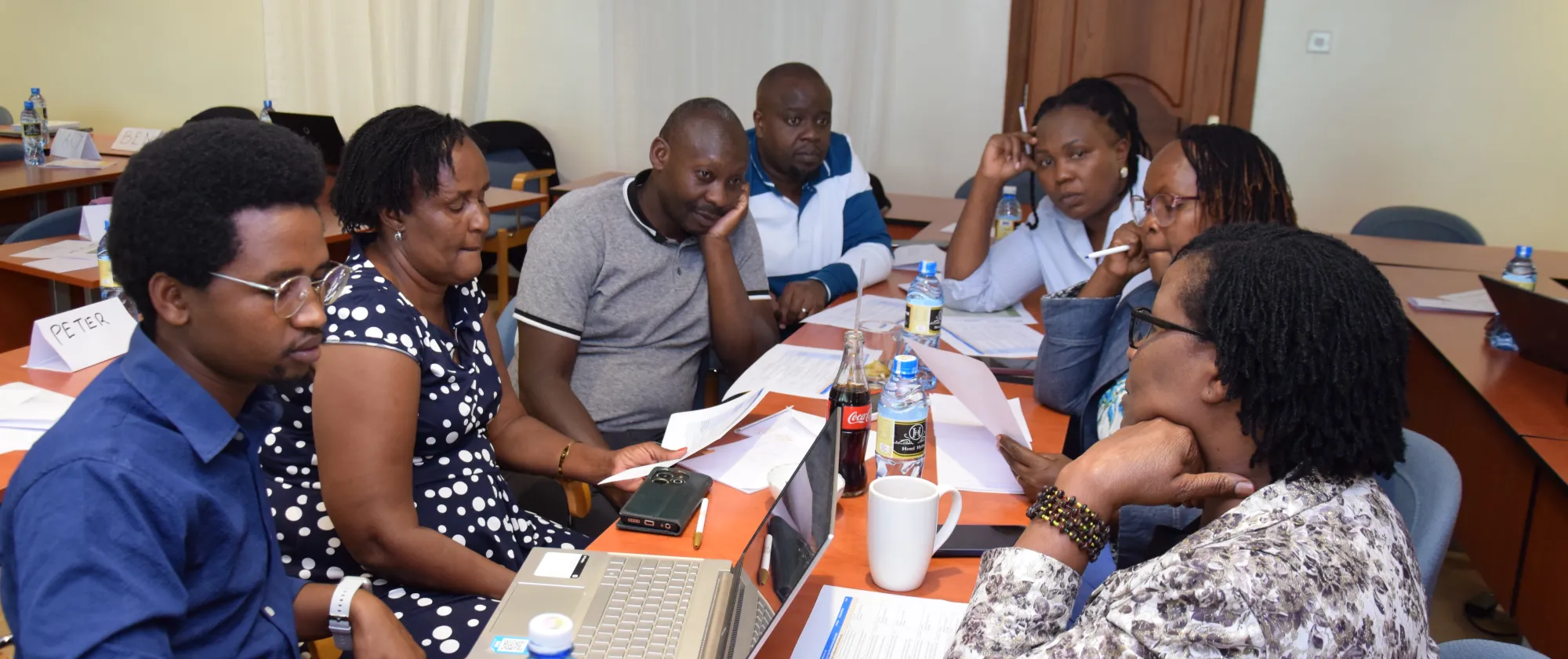
Training opportunities often exclude women due to schedules that conflict with care responsibilities or curricula that fail to address their needs. In response, the project is partnering with local Technical and Vocational Education and Training (TVET) institutions to adapt programmes.
In the fodder sector, curricula are being revised to include modules on gender equality and business development. In the tourism sector, new training incorporates information on Sexual and Reproductive Health and Rights (SRHR). Trainers are being equipped with tools to apply a gender perspective, ensuring lasting impact.
To overcome the significant time burden of unpaid care, the project is introducing mobile training services that reach communities directly, reducing travel time and costs for participants, particularly women and young people.
Integrating gender into market systems
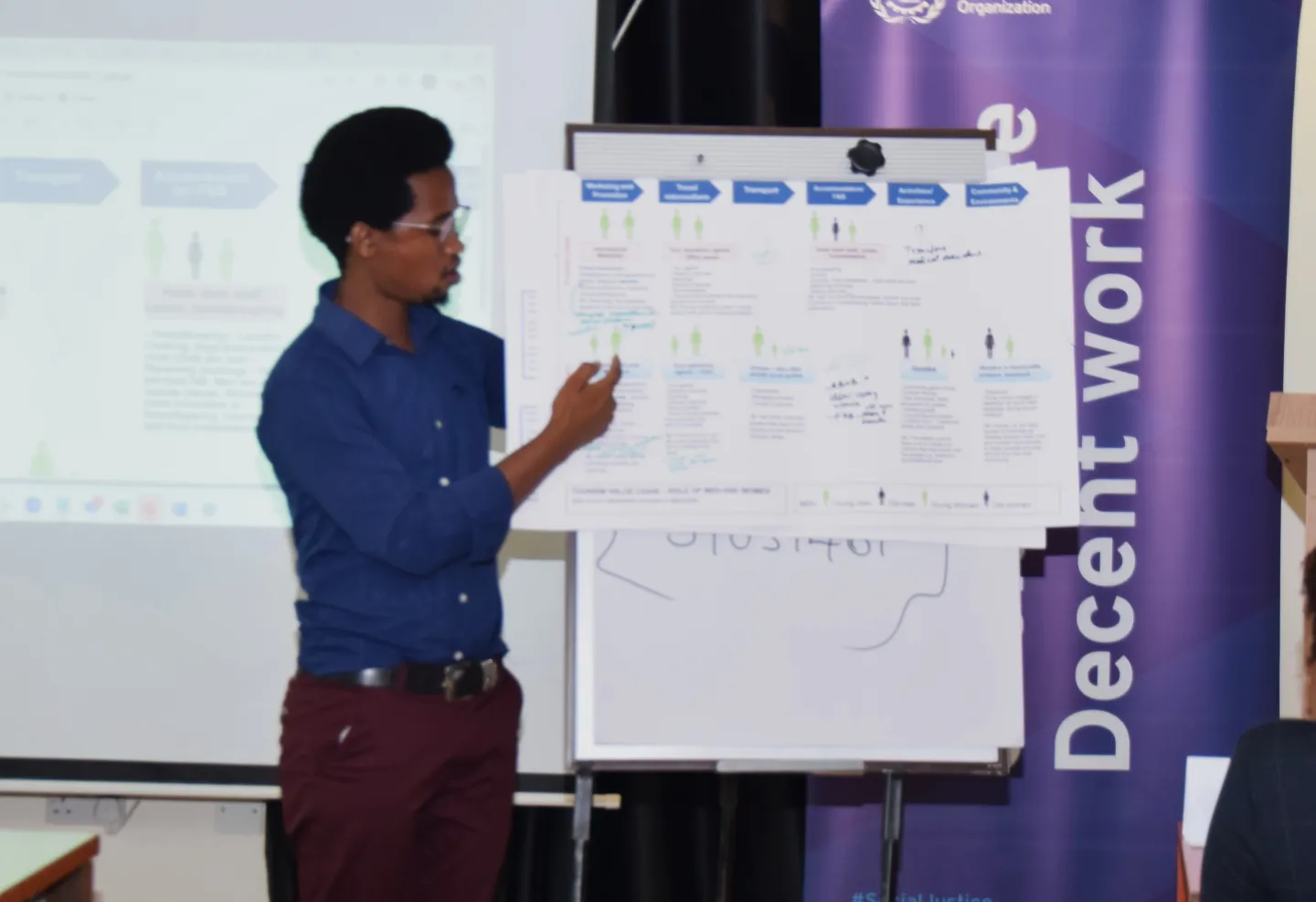
The project’s Market Systems Development approach focuses on making economic opportunities accessible to all. Gender analysis highlighted structural barriers that prevent women from advancing beyond subsistence activities. Addressing these constraints includes promoting equitable access to financial services, enterprise support and productive resources.
By embedding gender equality and health considerations into business models and financial systems, the project helps women secure credit, expand enterprises and move into higher-value roles. These measures are designed to ensure that interventions do not reinforce unequal power dynamics but instead open pathways to sustainable livelihoods.
Challenging social norms and unpaid care work
Kenya’s Time Use Analysis 2021 confirmed that women shoulder a disproportionate share of unpaid care responsibilities, limiting their participation in training or paid employment. The project addresses this challenge by applying the ILO’s “5R Framework for decent work”, a set of strategies that:
- Recognise the value of unpaid care work;
- Reduce the time and effort it demands through services and infrastructure;
- Redistribute responsibilities more equally between women and men, and between families and communities;
- Reward care work by ensuring it is fairly compensated when performed as paid work; and
- Represent care workers by giving them a voice in decision-making.
Through awareness-raising and community engagement, the project promotes more balanced sharing of responsibilities and builds understanding that unpaid care is essential work deserving of recognition and support. This is a key component of Outcome 3 of the initiative, which seeks to transform entrenched social norms that perpetuate gender inequality.
Building local capacity for sustainable change
By starting with robust gender analysis, the ILO has laid the groundwork for interventions that are both inclusive and sustainable. Local partners are engaged throughout the process to ensure relevance and ownership, embedding gender equality principles in training systems, enterprises and communities.
This approach creates a legacy of systemic change that will continue beyond the life of the project, helping to build more resilient labour markets where women and men alike can access decent work opportunities.
The PPDP Phase 2 project illustrates how data-driven design can be translated into dignity, ensuring that interventions go beyond numbers to transform lives.
Project outcomes
Outcome 1: Skills development
Enhanced skills and employability of workers through inclusive market-driven skills development in the tourism and fodder sectors.
Outcome 2: Market systems development
Sustainable enterprises in the tourism and fodder sectors generate inclusive growth and employment
Outcome 3: Community engagement
Community members access skills, employability and enterprise development opportunities in the tourism and fodder sectors
Relevant projects
Public-private development partnerships for inclusive decent employment and productive livelihoods

Systems Change Initiative (SCI) for productive employment