


Care economy
Bridging Kenya’s intergenerational care gap
Learn how Kenya is tackling the intergenerational care gap through ILO and government efforts that promote inclusive policies and partnerships for dignified care across generations.
27 June 2025
NAIROBI (ILO News) – Kenya, like many countries in Africa, is experiencing a profound intergenerational shift in caregiving. As traditional family-based care systems fray under the pressures of urbanization, economic hardship and migration, the country faces a looming demographic transformation.
The number of older persons aged 60 and above in Africa is expected to triple from 74.4 million in 2020 to around 225 million by 2050, according to UN projections. This shift raises urgent questions about how to ensure care for older generations in a rapidly evolving society.'
The fading fabric of traditional care
At the Unpaid Care Work Forum, convened by ForumCIV and supported by the International Labour Organization (ILO) through its Public Private Development Partnerships (PPDP) project, a government official captured this concern vividly: “The current generation does not have a responsibility to the older generation. I told my son that his grandmother was sick, and he just shrugged and said, 'mwambie nimesema pole' (tell her I said sorry).”
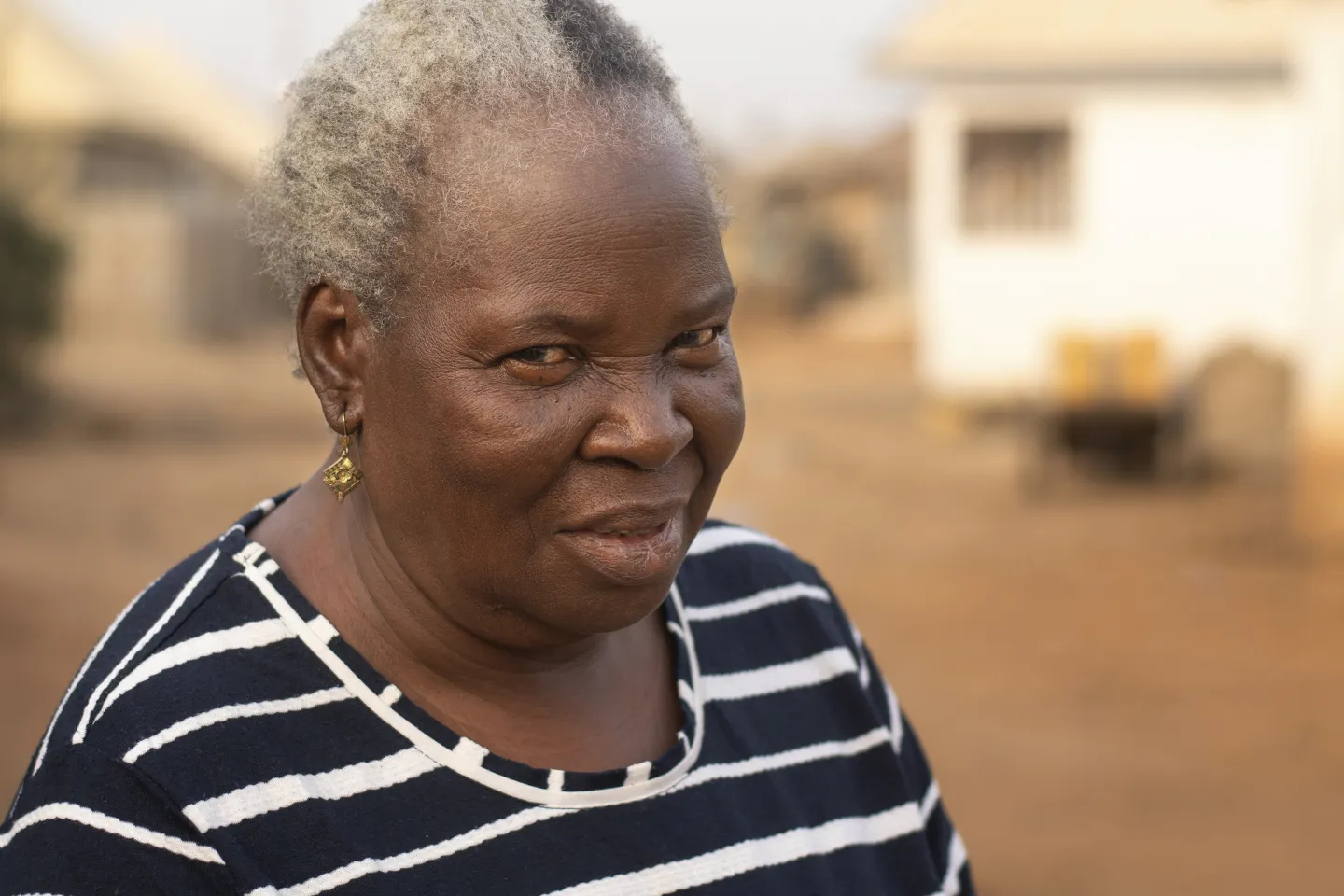
This anecdote reflects a wider social trend. The strong sense of duty to elders that once defined intergenerational relationships is eroding. At the same time, young people are increasingly overburdened by economic instability and lack the resources or willingness to care for ageing family members. As Dr. Anne Kamau noted, “Young men and women are caring for elderly parents with chronic diseases, not out of choice, but necessity.”
The current generation does not have a responsibility to the older generation. I told my son that his grandmother was sick, and he just shrugged and said, 'mwambie nimesema pole' (tell her I said sorry).
Government Official, State Department of Gender
A looming demographic shift
Informal caregivers, often untrained and unsupported, face heavy emotional and financial burdens. Women, who statistically live longer, are especially vulnerable. Many face ageing in poverty, with limited access to health care and social support.
Globally, the ILO estimates that unpaid care work, most of it carried out by women, would amount to 9 per cent of GDP if monetised. In Kenya, where the informal sector dominates employment and access to formal social protection remains limited, the economic and social costs of unpaid care are magnified. Informal caregivers often forgo education, employment, or income-generating opportunities, further entrenching poverty.
Changing demographics and social dynamics demand a systemic shift in care provision. Yet many countries in the region remain underprepared for the increase in ageing populations, with underdeveloped healthcare systems and insufficient pension schemes. This makes care work unsustainable for families and caregivers alike.
The ILO PPDP Project: Convening partners for integrated care policies
To address this emerging crisis, the ILO’s PPDP project is working with stakeholders in Nakuru, Kajiado and Narok counties to promote inclusive growth through sustainable livelihoods. While not directly implementing care services, the project fosters dialogue through platforms such as the Unpaid Care Work Forum. These discussions bring together local governments, civil society and academic institutions to develop integrated care policies and exchange best practices.
The Kenyan Government, through the State Department for Gender and Affirmative Action, has also embarked on developing the Kenya National Care Policy, aimed at addressing the challenges associated with unpaid care work, primarily by women and girls. The key goal is to ensure care responsibilities are more equitably shared among families, the state, and the private sector.
It is time to act
As Kenya grapples with both a growing youth population and an ageing society, bridging the care gap is vital. Strategic investments in care infrastructure, combined with policies that value and support caregiving as a form of decent work, can improve livelihoods, reduce poverty, and promote social cohesion.
It is time for decisive action. Redistributing care through shared responsibility models, expanding access to professional and dignified care services, and integrating caregiving into broader social protection systems are not only socially just, but also economically essential.
By valuing care as a public good, Kenya can build a more inclusive society, one where both older generations and their caregivers are supported with dignity and respect.
Related content
Care economy
Market daycares empower mothers and boost livelihoods
Relevant projects
Public-private development partnerships for inclusive decent employment and productive livelihoods