

Employment-intensive investment
ILO strengthens social cohesion and rural development in Togo
In Sangol, within Togo’s Savanes region, the International Labour Organization’s crisis response project demonstrates how labour-intensive approaches can create jobs, strengthen social cohesion and support sustainable local infrastructure development.
14 May 2026
LOMÉ (ILO News) – In the locality of Sangol, in Togo’s Savanes region, the “DG CRISIS RESPONSE” project implemented by the International Labour Organization (ILO) has demonstrated that labour-intensive public works approaches can effectively contribute to job creation, social cohesion and the development of sustainable community infrastructure in a context of social fragility.

Implemented in an area marked by the coexistence of host communities, refugees and internally displaced persons, the project has promoted social inclusion, community dialogue and the prevention of tensions, while providing economic opportunities for vulnerable populations.
From the outset, the project focused on strengthening the capacities of institutional and community actors to ensure national and local ownership and sustainability of the labour-intensive approach. A strategic training session brought together 30 representatives from ministries, employers’ and workers’ organizations, and civil society to promote employment-intensive approaches as a tool for advancing decent work and peacebuilding in crisis contexts.
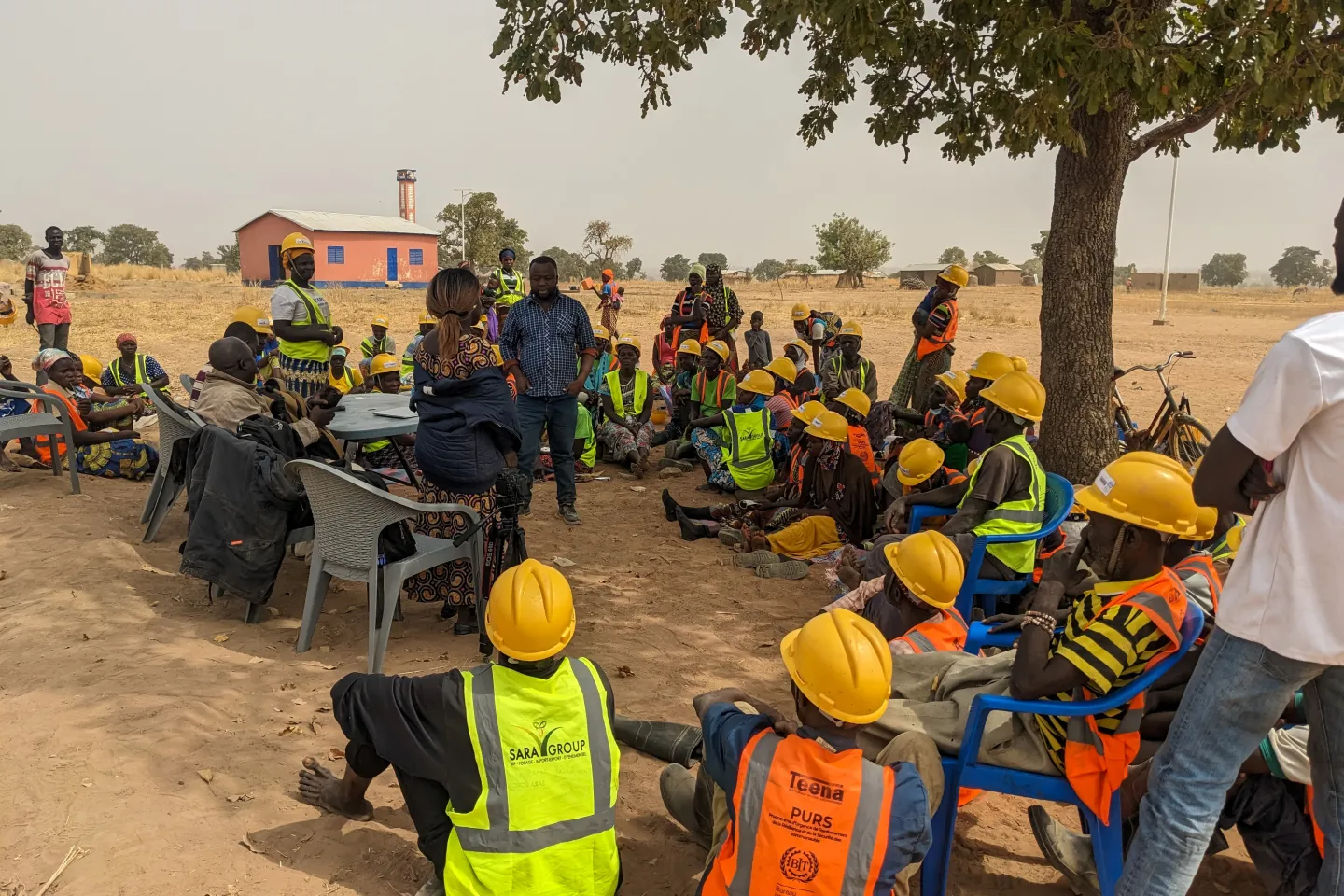
This momentum was reinforced through a participatory community dialogue process that helped identify and prioritize local needs, define recruitment criteria for young participants and clarify the roles and responsibilities of the various stakeholders involved in project implementation.
Inclusive engagement and strengthening social cohesion
To ensure the approach was firmly rooted at the local level, 29 community and religious leaders, as well as 14 local business representatives, were also trained on labour-intensive approaches in crisis situations. These trainings contributed to the promotion of decent work, strengthened community oversight and helped prevent social tensions.
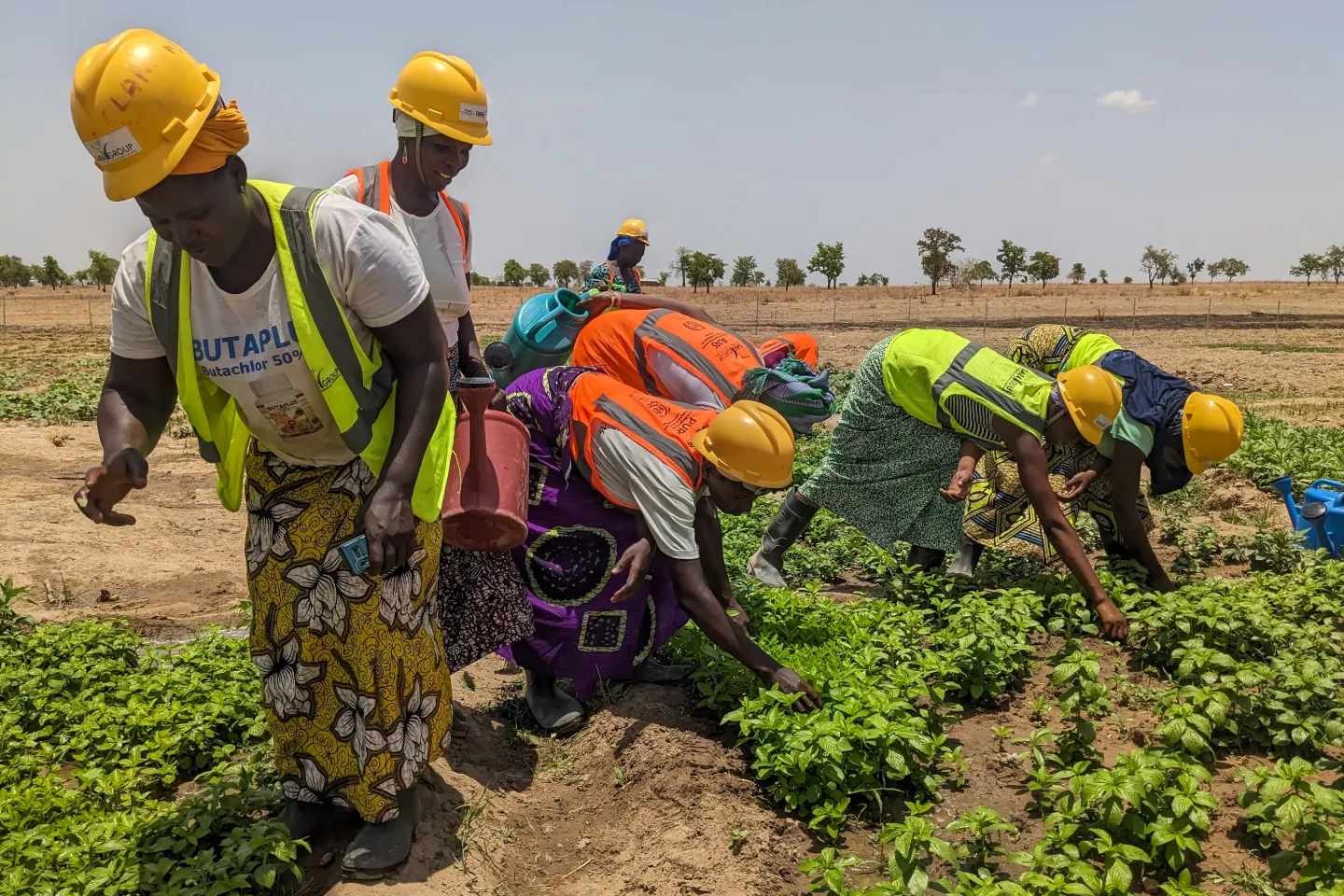
The project mobilized 135 workers from host communities, refugee populations and internally displaced persons, of whom 63 per cent were women. Non-local populations represented 27 per cent of beneficiaries, covering all identified vulnerable households.
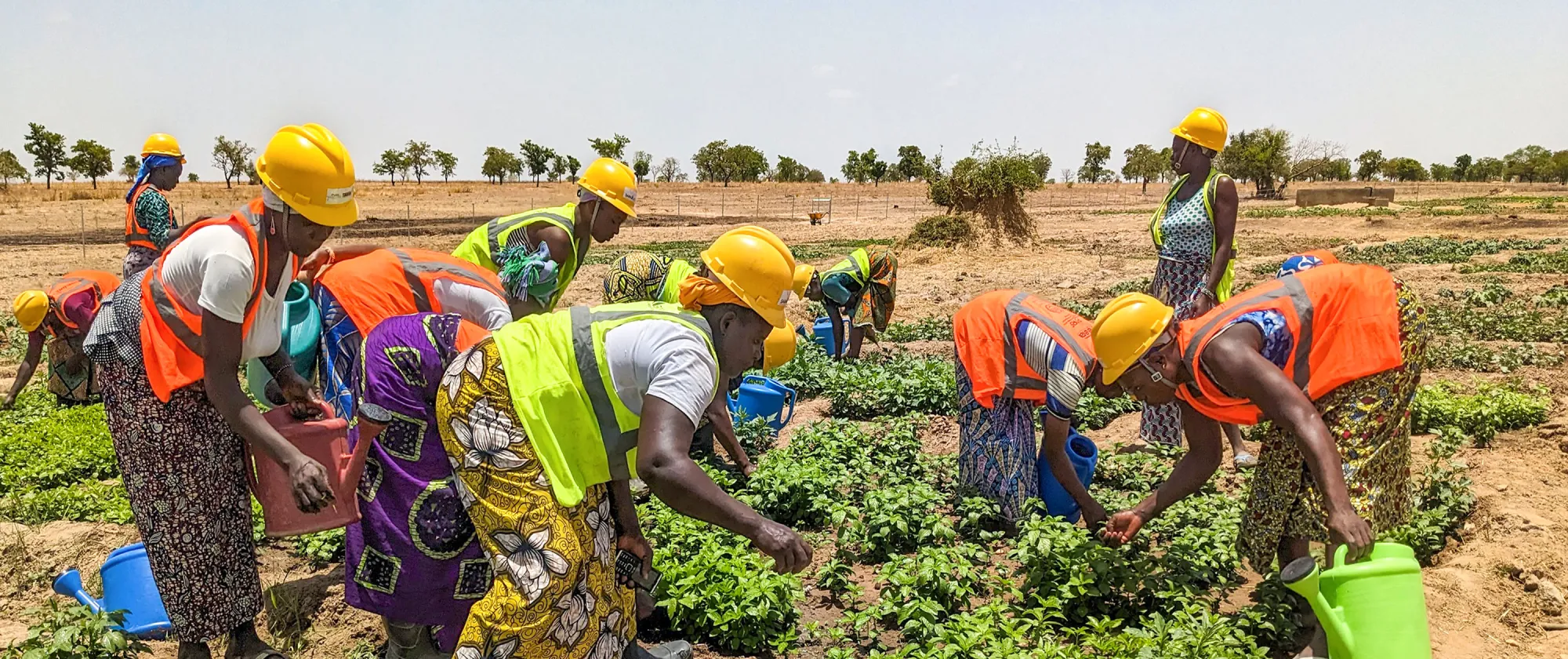
Through the “learning-by-doing” worksite approach, participants acquired practical skills in masonry, carpentry, plumbing, market gardening, composting and nursery management, with support from sectoral technical services.
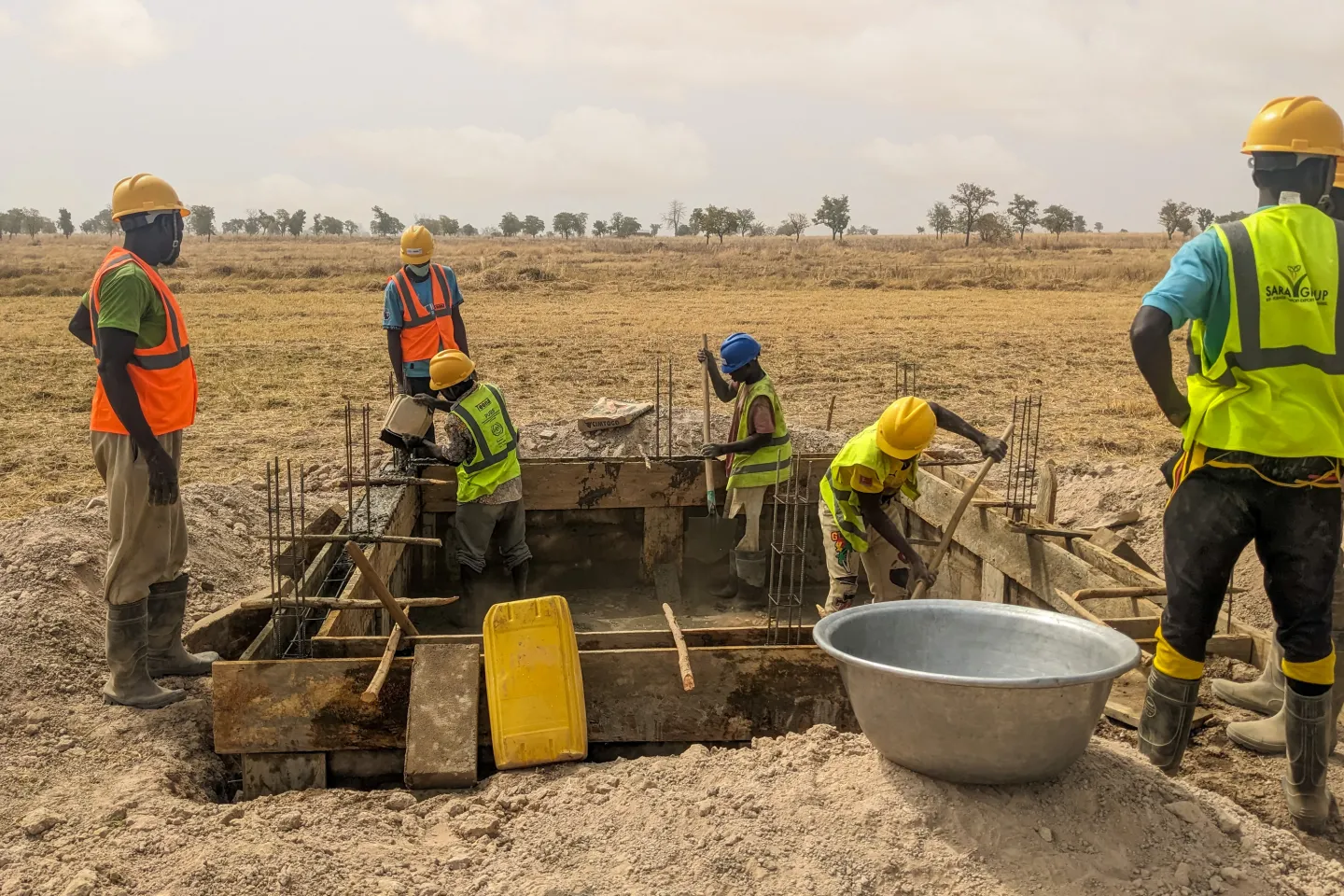
In addition, awareness-raising sessions on peace, social cohesion, occupational safety and health, and entrepreneurship strengthened participants’ autonomy, resilience and sense of social usefulness.
The labour-intensive worksites also provided spaces for social interaction, encouraging regular exchanges between refugees, internally displaced persons and host communities. Team rotation gradually strengthened social networks and mutual trust among participants.
Particular attention was paid to women’s participation, notably through the establishment of a community childcare centre built with local materials. The facility enabled women to engage more actively in project activities while also serving as a space for dialogue and community solidarity.
Infrastructure for a lasting impact
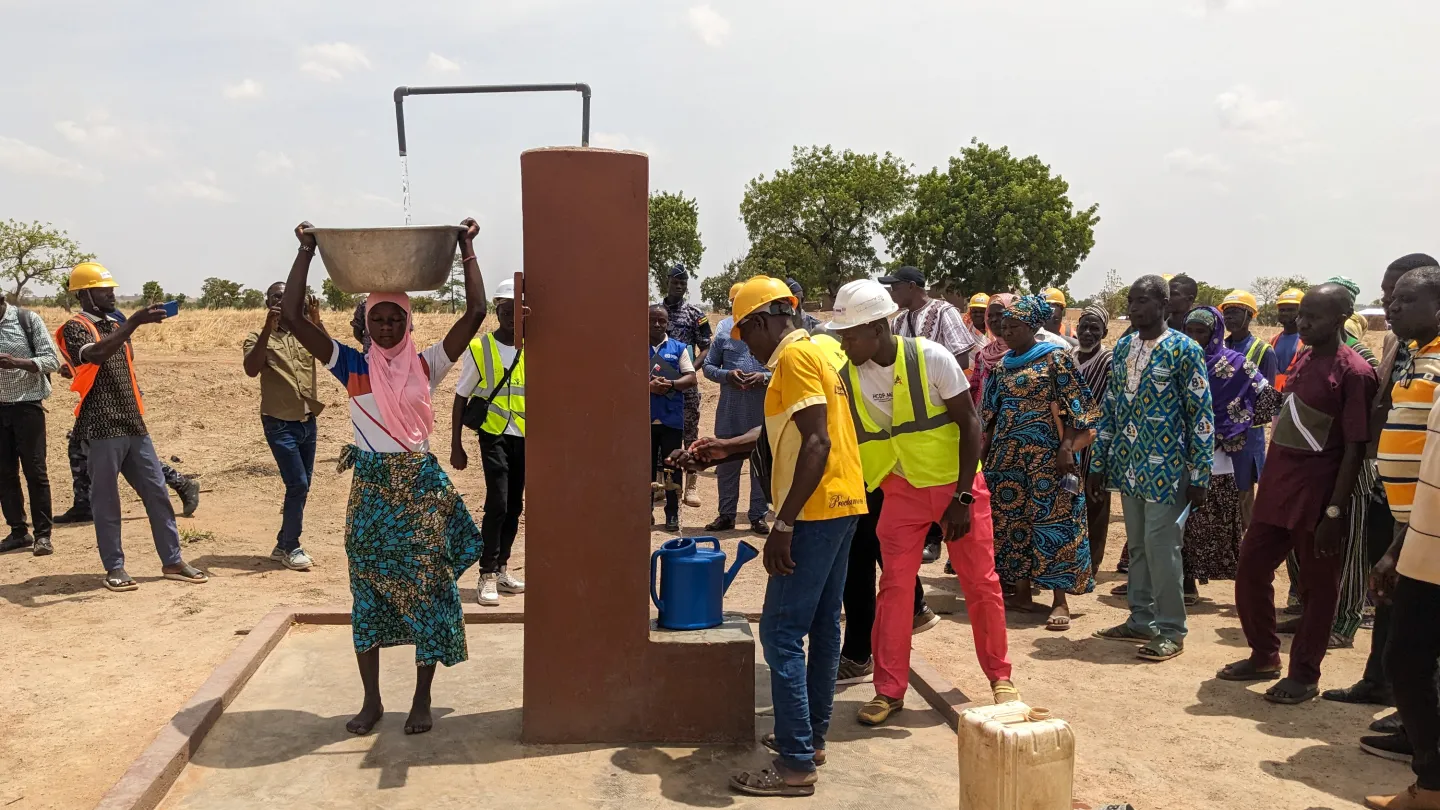
The project also supported the construction of several socially sensitive infrastructures through the mobilization of three local small and medium-sized enterprises. Works included the construction of a borehole and three public standpipes, ecological toilets, a community childcare centre, a two-hectare market gardening area, a five-hectare reforestation zone and a watering point for livestock.
The collective construction of these infrastructures fostered mutual understanding among the different communities and helped showcase the skills and contributions of non-local populations.
In Sangol, the labour-intensive approach has therefore confirmed its potential as a powerful driver of peace, social cohesion and sustainable local development, transforming collective work into a foundation for peaceful coexistence.
Related content
Topic portal
Employment-intensive investment
Relevant projects

Humanitarian-Development-Peace (HDP) Nexus
Strengthening community resilience and fostering peace through decent work

Humanitarian-Development-Peace (HDP) Nexus
Decent work for social cohesion and community resilience