

Coconut culinary training
Fallen coconuts to fresh starts
Rolly rises from a disaster and turns coconuts into opportunity in Siargao Island, Philippines under an ILO initiative helping informal workers after a super typhoon through emergency employment, social protection and a just transition.
23 August 2025
SIARGAO ISLAND, Philippines (ILO News) - Rolly recovers from a disaster on Siargao Island, Philippines and turns coconuts into opportunity as part of an ILO initiative to help informal workers in rebuilding their lives and livelihoods through social protection and a just transition.
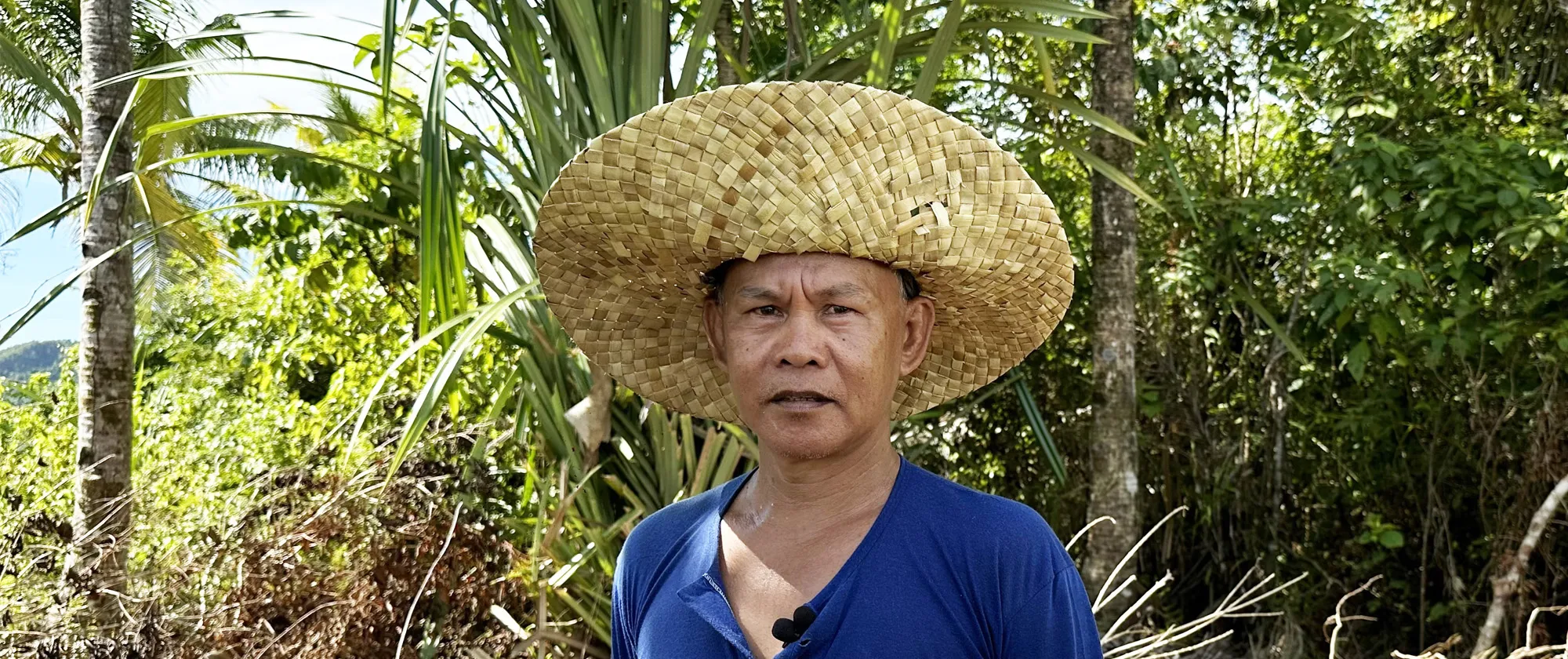
The young coconut trees that Rolly Isla planted in Siargao Island in the Philippines, are beginning to thrive. With a warm smile, Rolly crafts refreshing coconut-based drinks from Pineapple Colada to Coconut Lemonade. These drinks have become a source of pride and income.

“I learned how to craft drinks and cook with coconuts. It is good because of added income. There is no other work for me. Sometimes, we do not have any income at all because we are old, and we do not have permanent jobs. We only work as extra or part-time,” said Rolly.
Five years ago, Rolly moved with his family to Siargao Island. Once hailed as the coconut capital of the Philippines, Siargao is rebuilding from the devastation left by Super Typhoon Odette (Rai) in 2021.
The storm flattened homes and uprooted thousands of coconut trees, which is an economic backbone for many farmers. Their dried meat, known as copra, was a vital source of income.
Before the storm, Rolly earned from copra and drove a tricycle to support his family. After the storm destroyed the coconut farms, he had nothing. With coconuts taking up to seven years to mature and produce copra, Rolly struggled to survive.
Through an emergency employment programme, he began clearing damaged coconut farms and planting new trees. More importantly, he gained new skills that allowed him to earn and was registered in social protection programmes such as social security and health insurance.
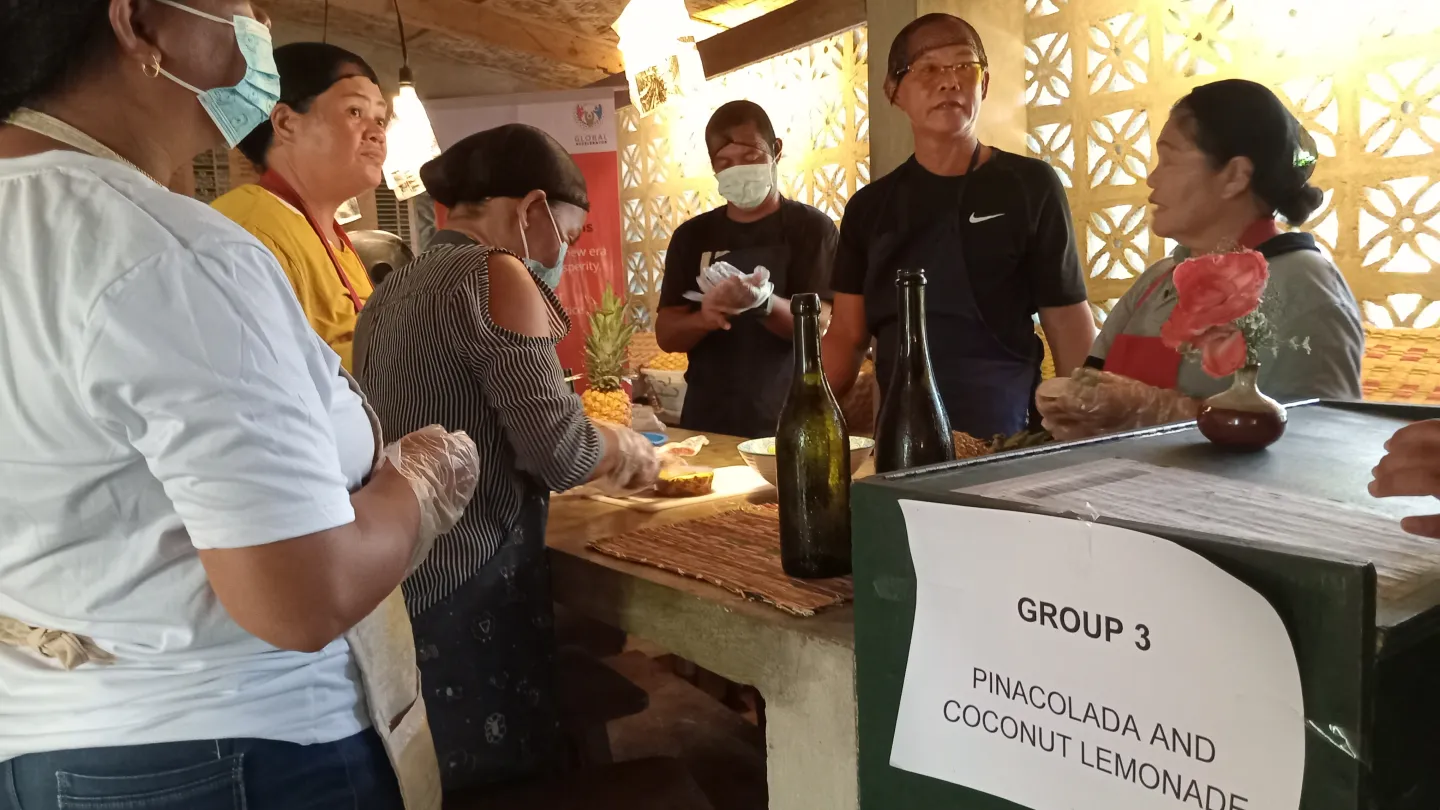
This initiative was part of the International Labour Organization's (ILO) Rebuilding Better Coconut Economy Project funded by the Government of Japan. The ILO worked closely with the local government, the Philippine Coconut Authority and Lokal Lab to revitalize the coconut industry.
“The shift from traditional farming to value-added coconut products highlights the importance of skills development in disaster recovery and crisis response. It is also vital to provide wages and extend social protection to help coconut farmers and their families rebuild their lives and livelihoods,” said Khalid Hassan, Director of the ILO Country Office for the Philippines.
Building on this initiative, the ILO continued its support through the Formalization of the Informal Economy Project. It was funded under the Regular Budgetary Supplementary Account of the Governments of Belgium, Denmark, France, Germany, Italy, Luxembourg, Netherlands, Norway and Sweden.
The project pioneered a back-to-back Social Protection registration in Siargao Island, offering one-stop access to social protection and employment services for hundreds of residents, tourists, and nearby communities. During the registration, Rolly once again served his signature Pineapple Colada and Coconut Lemonade made from fresh coconut milk.
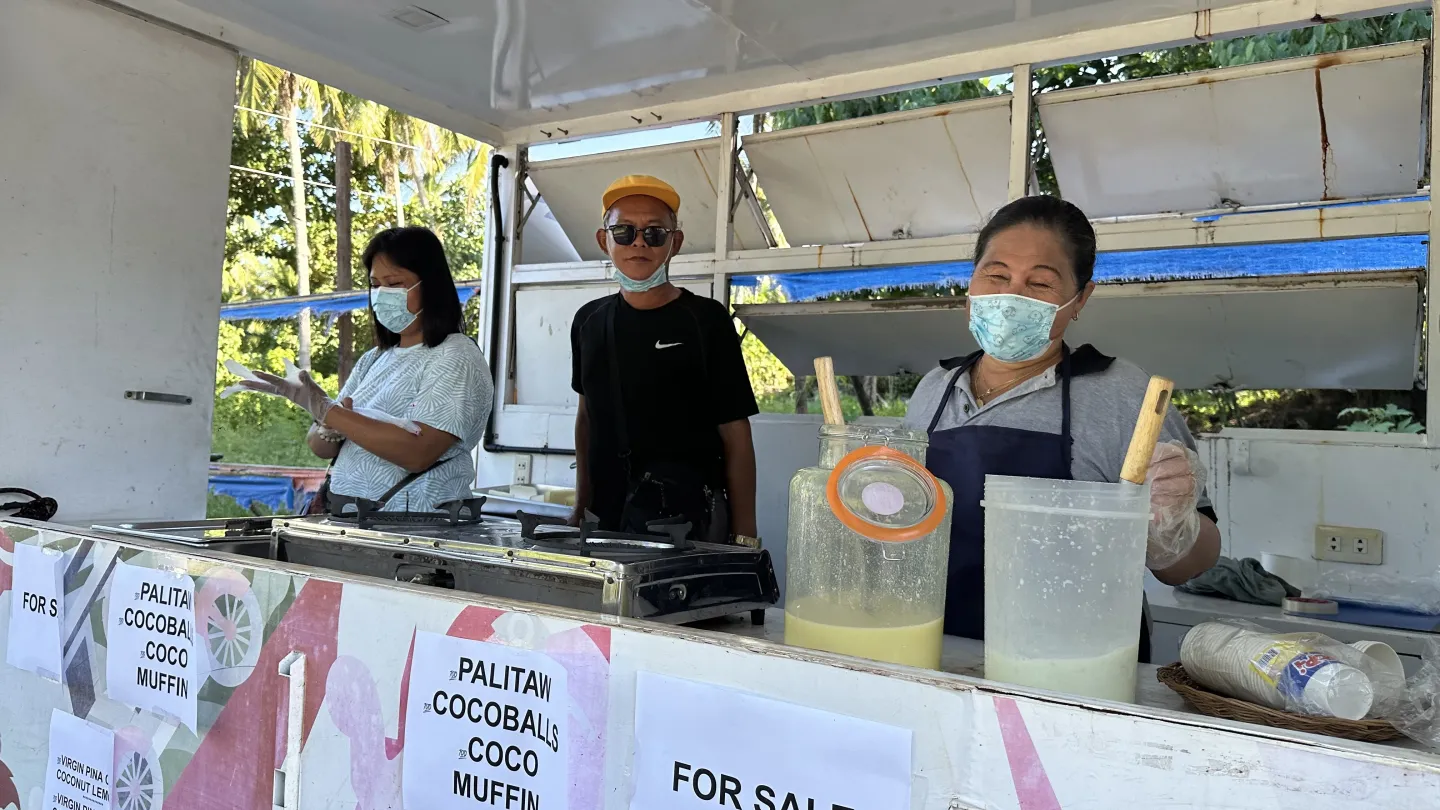
While the project successfully developed models to improve access to social protection and employment services, the challenge remains in scaling these efforts to reach more informal workers like Rolly.
As Siargao Island continues to thrive as a tourism hub, it is crucial to strengthen these systems and ensure a just transition amid climate change, laying the groundwork for a resilient and sustainable future for the island and its communities.
Learn how to make pineapple colada and coconut lemonade with Rolly
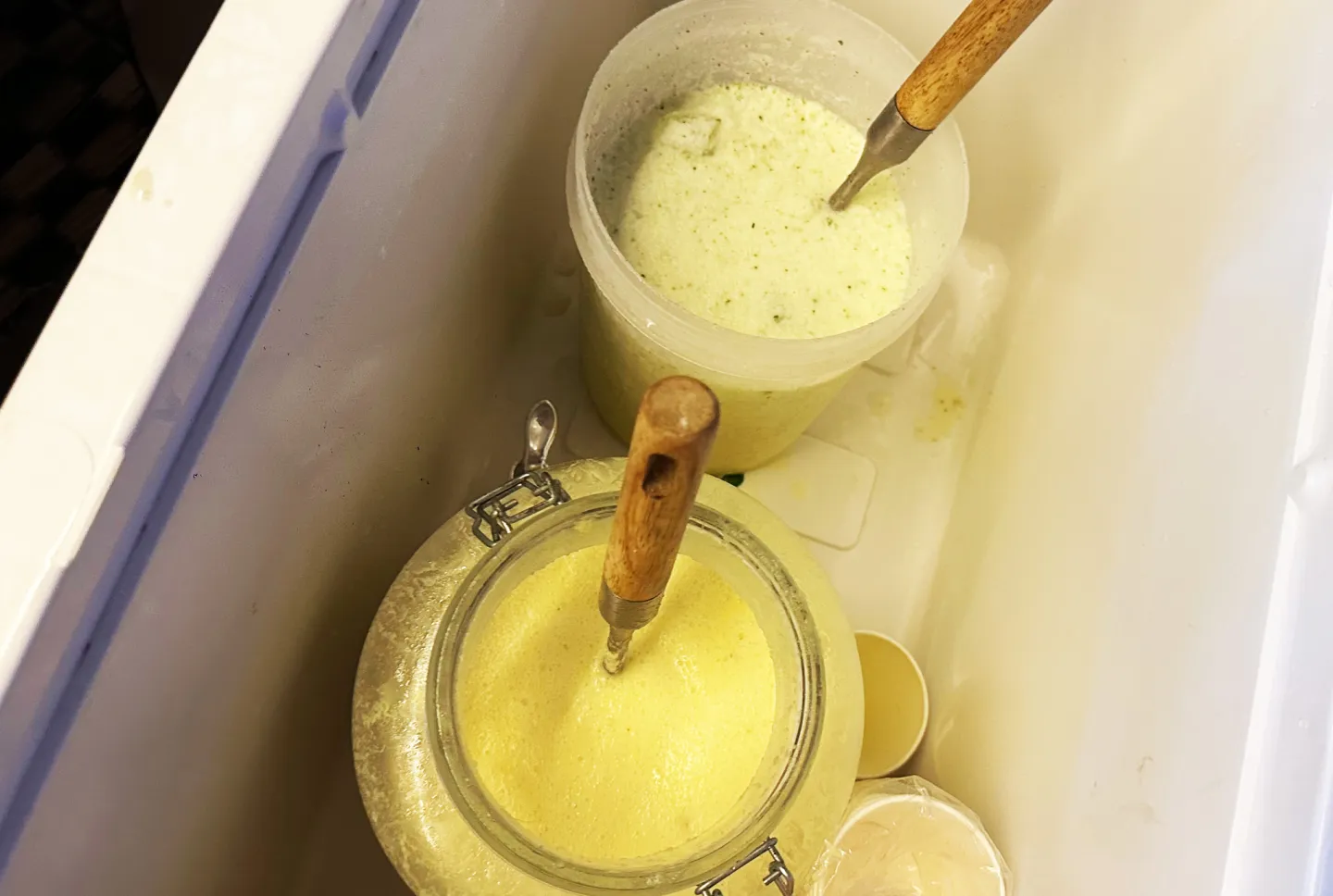
Pineapple colada
Ingredients:
30mL coconut milk
2 half-inch slices of pineapple
30mL sugar syrup (white sugar, water)
Vanilla extract
Ice
Procedure:
- Prepare sugar syrup by heating 1 cup white sugar with 1 cup water until dissolved.
- Cut pineapples into 1/2-inch circular slices.
- Blend coconut milk, pineapples, sugar syrup, and ice until smooth. Add vanilla extract to taste.
- Serve in a cup and enjoy.
Tools:
Knife
Chopping board
Blender
Measuring cups
Drinking cups
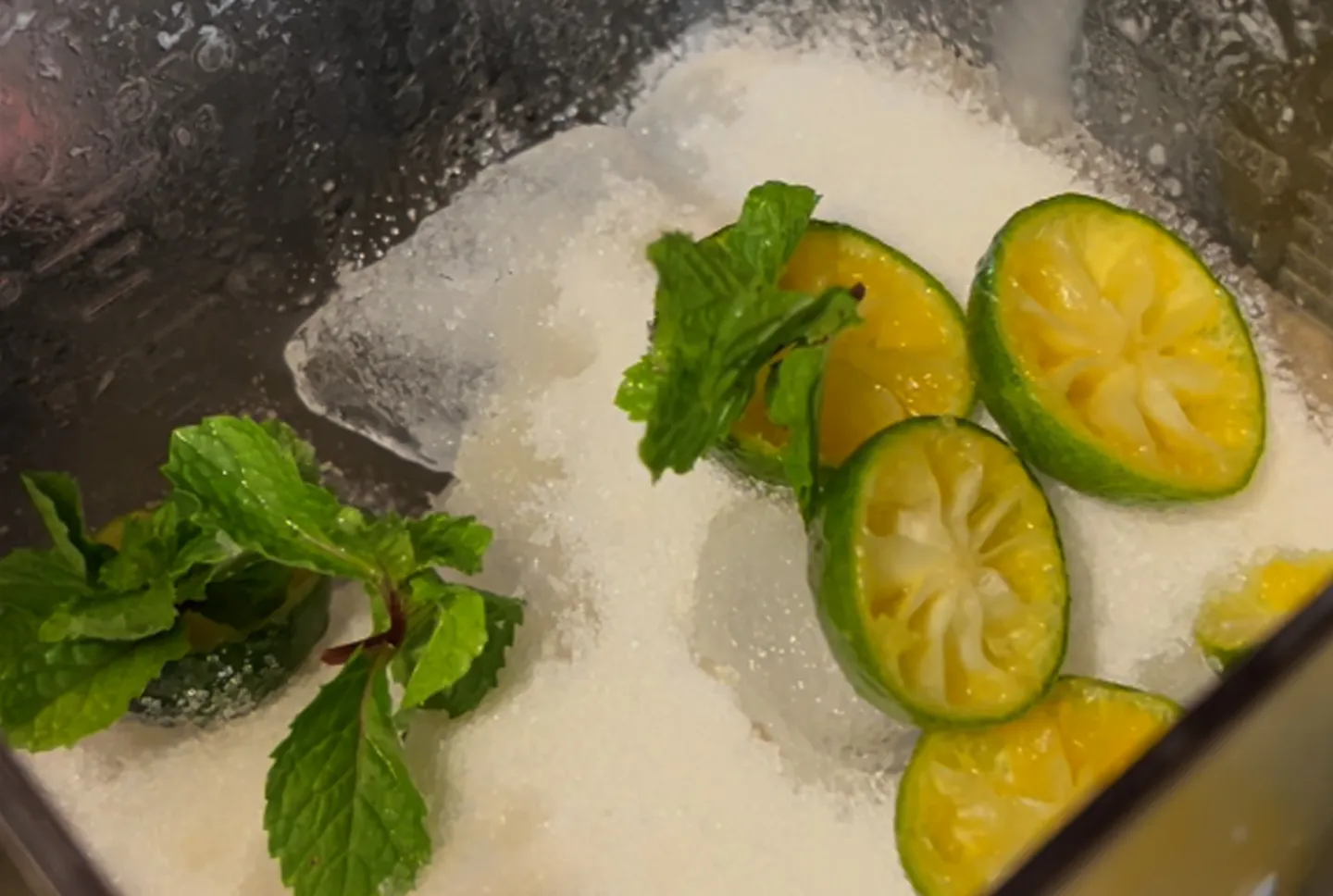
Coconut lemonade
Ingredients:
7 pcs calamansi
30ml coconut milk
30ml condensed milk
Mint leaves
Ice
Procedure:
- Cut and squeeze calamansi to extract juice.
- Blend calamansi juice, calamansi zest and flesh (without seeds), coconut milk, condensed milk, mint leaves, and ice until smooth.
- Serve in a cup, garnish with mint, and enjoy.
Tools:
Knife
Chopping board
Blender
Measuring cups
Drinking cups
Relevant projects

Sustainable enterprises
Rebuilding better coconut economy: Integrated inclusive recovery model from Super Typhoon Rai (Odette) and overlaying crises

Informal economy
Rise from multiple crises through the integrated formalization of informal economy with social protection and decent work in the...