


Informal economy
Rise from multiple crises through the integrated formalization of informal economy with social protection and decent work in the Philippines
The project promotes transition from the informal to formal economy, resulting to better social protection access, improved working conditions, increased productivity, and enhanced growth opportunities.
Duration
1 March 2023 - 31 December 2025
Development partner(s)
Regular Budgetary Supplementary Account (Governments of Belgium, Denmark, France, Germany, Italy, Luxembourg, Netherlands, Norway and Sweden)
Reference
PHL/23/01/RBS
Location
Philippines
Contact
Linartes Viloria, National Project Coordinator
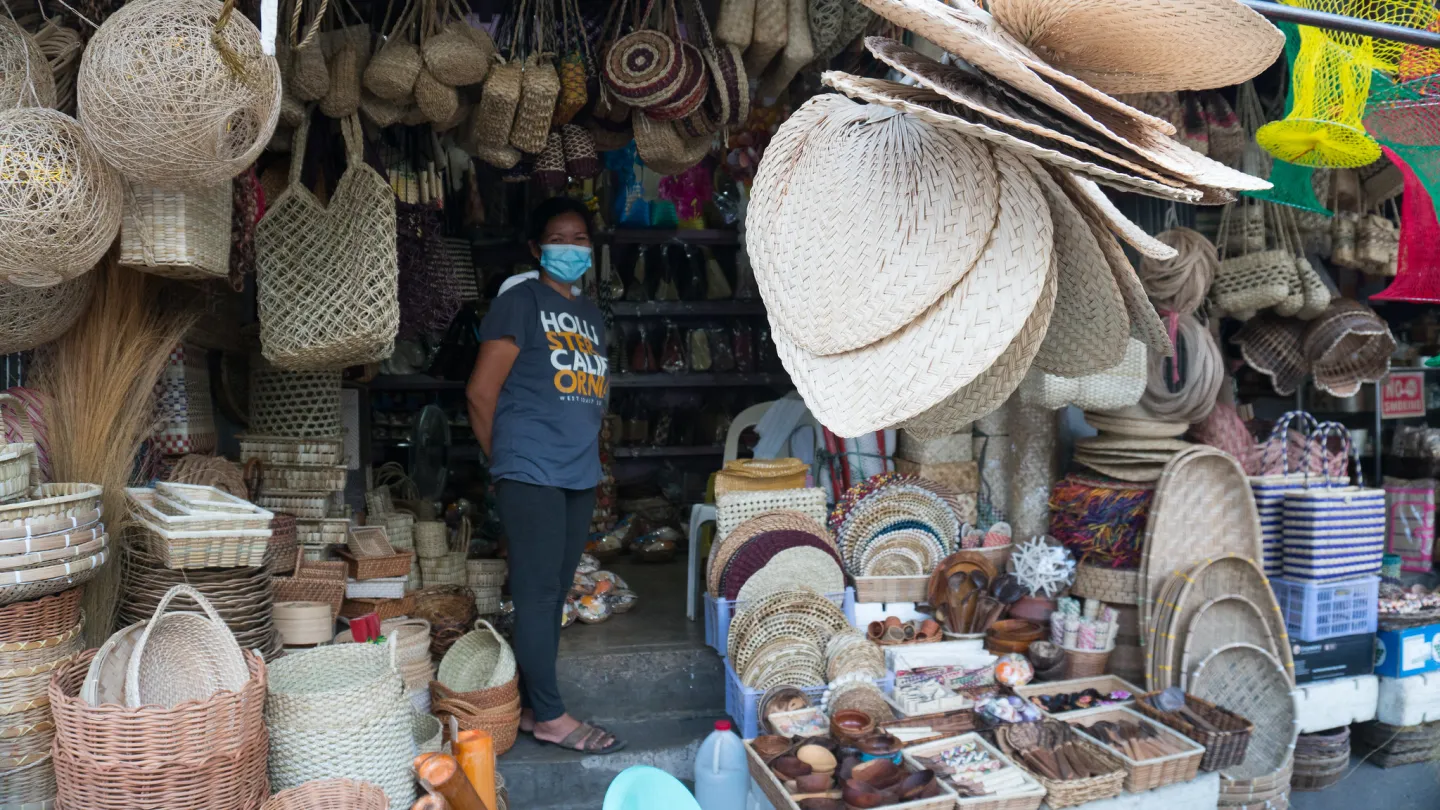
The project focuses on the transition of workers and enterprises from informal to formal economy, through integrated formalization, social protection and decent work in the Philippines. It is part of the ILO’s contribution to recovery from Super Typhoon Rai (Odette), as enterprise formalization and shock-responsive social protection are integral part of inclusive recovery.
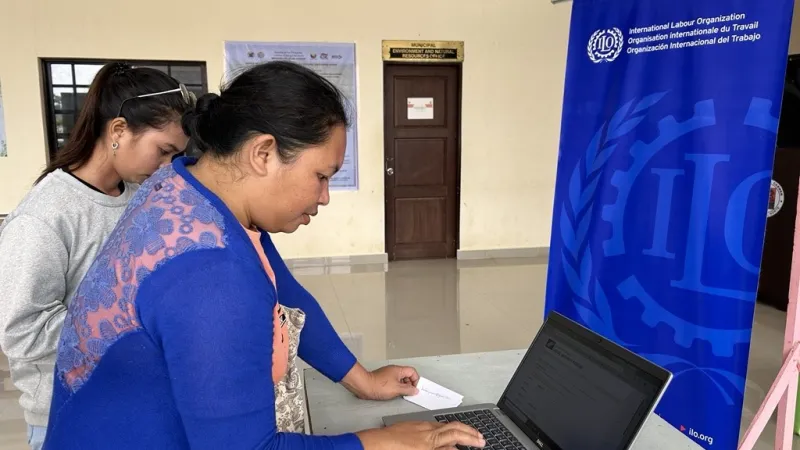
The project combines formalization of enterprises and extension of social protection, adopt sectoral approaches and e-formality. It raises awareness and builds on government initiatives on social protection that can help workers and their families cope with multifaceted risks, such as the e-government digital IDs and the digitalization of micro, small, and medium-sized enterprises (MSMEs). These efforts aim to streamline processes, improve efficiency, and provide accessibility to services for both workers and enterprises.

The project implements social protection mechanisms to address crises effectively and ensure vulnerable populations receive timely support, working closely with the Rebuilding better coconut economy project.
Overall, the project combines awareness-raising activities with innovative digital solutions and responsive social protection measures to promote inclusive economic growth and resilience within communities.
Priority sectors
- agricultural workers
- platform economy workers (delivery drivers, home-based Information Communication Technology contract workers)
- domestic work, and those in the priority list of the new administration such as agriculture or agro-processing and infrastructure or construction).
Activities
- rapid assessments
- feasibility study and digital platform economy survey
- consultation workshops
- best practices and case studies dissemination
- user side interventions, awareness raising and digital platforms usage
- duty bearer side interventions, administrative simplifications on business registration and contribution payments
Expected outcomes:
- A gender responsive and inclusive integrated approach to formalization, produced, endorsed by the tripartite plus constituents, and launched to support the formalization of enterprises and workers.
- Local businesses registered and social security of workers increased.
Project news and updates
Partners




The project collaborates with employers, trade unions, local governments, micro, small, and medium-sized enterprises (MSMEs), including those from the informal economy, subject matter experts and relevant government agencies.
-
 Linartes ViloriaNational Project Coordinator