


Leaving no one behind - ISEC Project
Improving Skills and Economic Opportunities for the Women and Youth in Cox’s Bazar, Bangladesh
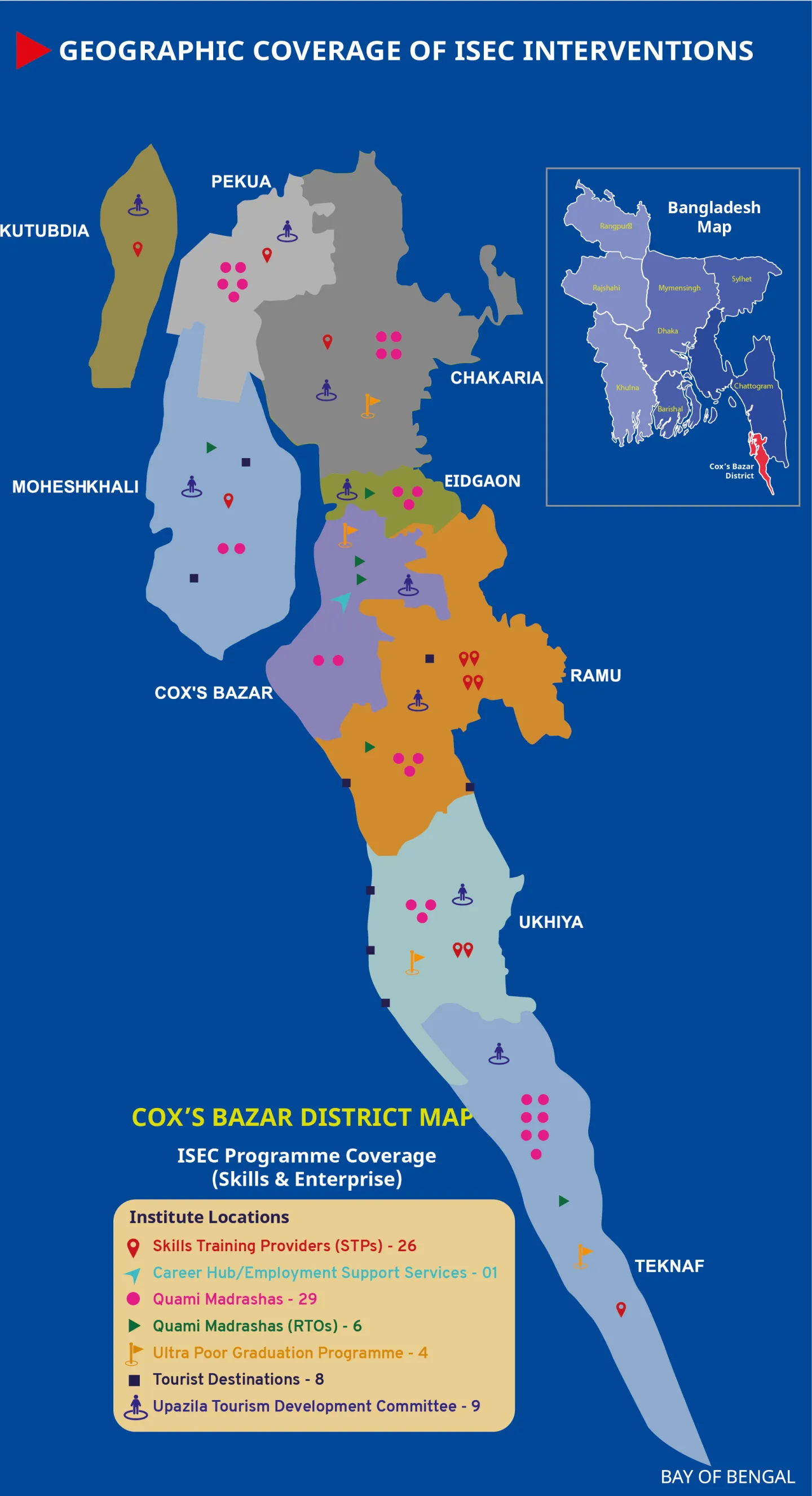
The International Labour Organization (ILO) is implementing the “Leaving No One Behind: Improving Skills and Economic Opportunities for the Women & Youth in Cox’s Bazar (ISEC)” project to strengthen livelihoods, resilience, and decent work opportunities for vulnerable communities in the district. The project expands access to market-relevant skills training, apprenticeships, entrepreneurship support, and employment services, particularly for women, NEET youth, persons with disabilities, and other marginalized groups. Through strong partnerships with government agencies, the private sector, training institutions, and community stakeholders, ISEC promotes inclusive economic growth, green livelihoods, and social cohesion between host and Rohingya communities.
Duration
1 March 2022 - 31 March 2027
Development partner(s)
Global Affairs Canada (GAC); Foreign, Commonwealth & Development Office (FCDO)
Reference
BGD/21/02/CAN, BGD/25/03/IOM
Location
Cox's Bazar, Bangladesh
Contact
Ruchika Bahl, Chief Technical Advisor and Head of Project Office, Cox’s Bazar. Email: [email protected]
About the project
Cox’s Bazar is one of Bangladesh’s poorest and most vulnerable districts and faces deep and long-standing development challenges that limit economic growth and the well-being of its people. The district struggles with high poverty levels, low literacy rates, frequent climate-related shocks, and limited access to quality education and skills training. Many households depend on low-paid, seasonal work in agriculture, fisheries, and tourism, leaving youth, especially young women, with few pathways to stable employment. Women’s participation in the workforce remains low due to social norms, safety concerns, and restricted access to training and financial services. Public services, market systems, and local enterprises also face capacity gaps, making it harder for communities to benefit from emerging economic opportunities. These overlapping challenges highlight the urgent need for stronger skills development, inclusive economic growth, and gender‑responsive support systems across Cox’s Bazar.
To address these interconnected challenges, the International Labour Organization (ILO) is implementing the “Leaving No One Behind: Improving Skills and Economic Opportunities for the Women & Youth in Cox’s Bazar (ISEC)” project, which aims at the economic development of the Bangladeshi host community and building resilience of Rohingya refugees through the provision of decent work and gender-sensitive market-relevant skills development linked to employment and self-employment.
The project adopts a market-driven and inclusive approach to address economic vulnerabilities, climate-induced challenges, and displacement dynamics by:
- Providing a skilled workforce aligned with labour market needs and supporting employment access.
- Promoting quality livelihood opportunities through capacity building, skills diversification, and job creation.
- Enhancing social cohesion by leveraging shared economic opportunities between host and refugee populations.
ISEC leverages strong partnerships with multiple government agencies such as the Ministry of Youth and Sports (MoY&S), Deputy Commissioner's (DC) Office, the Refugee Relief and Repatriation Commissioners (RRRC) Office, the Department of Youth Development, and also with private sector actors such as Cox's Bazar Chambers of Commerce & Industry, local entrepreneurs, workers' organizations (NCCWE-National Coordination Committee for Workers' Education), and local skills training providers (STP) partners to deliver on its objectives.
Target beneficiaries
The project adopts the ’leaving no one behind’ approach by identifying disadvantaged persons – particularly NEET (not in employment, education or training) youth, women, ethnic and religious minorities, persons with disabilities (PwDs), and other vulnerable groups through targeted measures and offers them a range of services.
The project is targeting around 30,000 youth, with women as the core beneficiary group, comprising at least 40% of the total beneficiaries.
Programmatic focus
- The ISEC project consolidates inclusive, market-driven livelihood systems for vulnerable women and men
- Links competency-based training, apprenticeships, and enterprise development to employment and income generation
- Promotes gender‑responsive approaches, addressing mobility and access barriers for women
- Expands formal skills training, industry attachment, and dual training in high-demand trades
- Strengthens job placement, career guidance, and employment services
- Advances green jobs and eco-friendly practices in climate-relevant sectors
- Supports self-employment and entrepreneurship in agriculture and waste recycling
- Establishes community-based production centres, including in Qawmi Madrasas
- Connects micro and small enterprises to established value chains and markets
- Provides financial and non-financial business support for sustainable livelihoods.
Skills development
1. Strengthening skills, employment pathways, and career opportunities for youth
The project is strengthening the national TVET system by delivering quality-assured market-driven skills development training aligned with the Bangladesh National Qualification Framework (BNQF), supporting the development of a competent, skilled, and job-ready workforce.
- Preparing young people with the requisite skills to be employed in high-growth sectors such as construction, tourism and hospitality, caregiving, and green and renewable energy, which are identified as key drivers of local economic growth.
- Supporting entry-level qualification pathways and opportunities for advanced skills upgrading to improve career progression.
- Strengthening linkages with private‑sector employers to ensure training relevance and access to decent work opportunities.
- Promoting inclusive participation by addressing barriers faced by women and PwDs in accessing skills training and employment.
2. Employment Support Services through the Career Hub
The project is strengthening employment support services (ESS) through the Department of Youth Development – BRAC Career Hub in Cox’s Bazar to improve the school-to-work transition for trained youth and job seekers.
- Providing career guidance, counselling, and labour market information to support informed career decisions
- Maintaining an organized database of employers and vacancies to strengthen job matching and placement
- Identifying skills gaps among job seekers and guiding them towards relevant upskilling aligned with labour market demand
- Supporting wage employment and self-employment for young women and men across key economic sectors such as construction, tourism and hospitality, care, and green economy, etc.
- Serving trained graduates, labour‑market entrants, women, PwDs, existing workers, and employers
- Functioning as an incubation and career development hub that promotes job creation, enterprise development, and sustainable employment opportunities.
3. Vocational and entrepreneurial training for Qawmi madrasa students
The project is promoting self-employment and livelihood opportunities for Qawmi madrasa students by linking vocational skills with entrepreneurship and market access.
- Providing vocational skills training in areas such as digital services and ICT, garments and handicrafts production, food processing, and caregiving
- Addressing social norms, financial barriers, and mobility constraints through tailored and gender‑responsive interventions
- Promoting entrepreneurship and MSME (Micro, Small, and Medium Enterprises) development through targeted training and business support
- Establishing community-based production centres near accredited Qawmi madrasas to facilitate hands-on learning and income-generating activities
- Enabling graduates to manage and operate production centres, supporting both wage and self-employment through a “learning and earning” model.
4. Apprenticeships-based training
The project is deepening collaboration with the private sector to expand apprenticeships and work-based learning opportunities.
- Engaging the private sector to support apprenticeships and on-the-job training, directly linking skills development with employment opportunities
- Applying a co-investment approach to ensure training relevance, strengthen private sector ownership, and support long-term economic impact
- Establishing formal apprenticeship agreements between STPs, apprentices, and employers for workplace-based learning with hotels, construction companies, hospitals, and clinics.
Enterprise development
1. Agriculture sector interventions
The project is strengthening climate-adaptive agriculture and agri-enterprise development to build resilient livelihoods for women and youth.
- Promoting climate-adaptive commercial farming to reduce vulnerability and strengthen resilience
- Supporting access to agricultural inputs for high-demand products and climate-adaptive crops
- Establishing and expanding agriculture-based micro enterprises, including trading, aggregation, and cooperatives
- Strengthening market access through camp-based coordination platforms for small producers and traders
- Linking local entrepreneurs with expanding value chains and markets in Cox’s Bazar and Chittagong
- Engaging markets and companies to promote climate-adaptive crops, provide technical support, and improve market connectivity.
2. Waste recycling and green enterprise development
This intervention focuses on waste recycling as a green livelihood pathway that supports environmental sustainability and inclusive income opportunities for women and youth in host and refugee communities.
- Promoting waste recycling as a source of green jobs and self-employment
- Supporting waste collection, segregation, recycling, and biodegradable waste management enterprises
- Establishing waste collection enterprises through geo-mapping and private sector partnerships
- Providing integrated business development support, entrepreneurship training, coordination, market linkages, and start-up financing for new waste collection entrepreneurs.
- Strengthening coordination, market linkages, and commercial viability across the waste value chain
- Building technical capacity and occupational safety awareness among waste workers
- Training existing and new waste pickers on business models, occupational safety and health (OSH) practices, and operational skills
- Promoting women‑ and youth-led entrepreneurship in waste recycling and product development from recycled materials.
3. Eco-friendly handicrafts and toys production
A short-term pilot project titled “Eco-friendly Handicrafts and Toys Production and Commercialisation for Livelihoods” is being implemented from October 2025 to March 2026. The pilot is establishing community-based production facilities in Cox’s Bazar while providing skills training and market access for Rohingya refugees and host communities. The project is strengthening income, resilience, and social cohesion among vulnerable women artisans through the production of eco-friendly toys and handicrafts using sustainable, climate-adapted practices.
This pilot project initiative is providing training to artisans (50% from camps and 50% from host communities) under an innovative value chain approach that distributes tasks between groups to strengthen intercommunal tolerance, empathy, and social cohesion. Activities include skills development, quality control systems, branding, and market linkages, particularly with the tourism sector.
The pilot project has started the implementation of the following core interventions:
- Production hubs: Operating cooperative production hubs in camps and host areas with shared tools, workspace, logistics, and quality control for packing and distribution
- Skills development: Building technical skills for eco-friendly toy and handicraft production through market-driven, targeted training for women, youth, and marginalized groups
- Market access: Promoting products through buyer engagement, direct orders, and links with tourism and retail markets
- Business strengthening: Strengthening business models through partnerships, business literacy, financial skills, and simple digital tracking of sales and production.
What progress has been made?
Sustainability strategy and ownership
Sustainability of the ISEC project is driven by strong ownership from the government, the private sector, and community stakeholders. The project institutionalizes key interventions to ensure continuity beyond the project lifecycle.
- The ILO embeds sustainability processes from the outset and supports partner agencies to adopt them.
- Standardized training curricula, including gender and environmental modules, are integrated across TVET centres, including Qawmi Madrasas.
- Government institutions co-lead implementation and monitoring, ensuring alignment with national policies.
- The Ministry of Youth and Sports, Department of Youth Development, Ministry of Labour and Employment, and National Skills Development Authority (NSDA) support skills training providers and facilitate access to the Government’s NHRDF (National Human Resource Development Fund).
- The private sector co-invests in apprenticeships, enterprise development, and market linkages, and continues programmes once models are institutionalized.
Publications

Publication
Employment, skills and economic inclusion in Cox’s Bazar: An analysis of labour market dynamics and trends
Publication
Destination development plan for Cox's Bazar
Publication
Rapid market analysis of the seaweed value chain in Cox’s Bazar, Bangladesh
Publication
Rapid market analysis of the salt value chain in Cox’s Bazar, Bangladesh
Publication
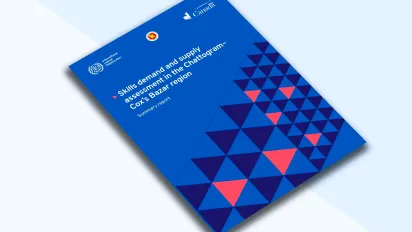
Summary Report: Skills demand and supply assessment in the Chattogram–Cox’s Bazar region, Bangladesh

Publication
Skills demand and supply assessment in the Chattogram–Cox’s Bazar region, Bangladesh
News and stories
Stories
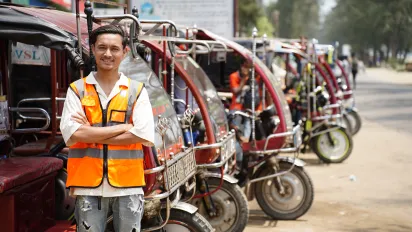
From muddy paths to mountain views: The human face of Himchari’s tourism
Stories
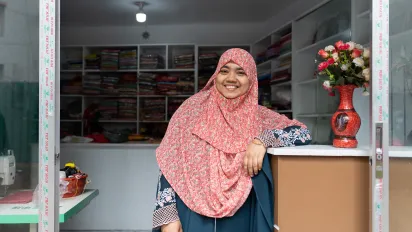
Jisan’s path to independence: Learning, earning, and leading
Stories
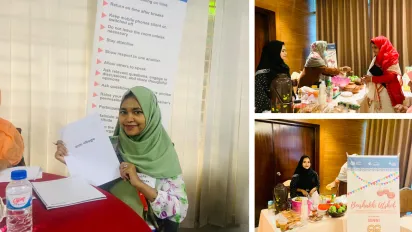
From Fuchka to Fashion: Humaira’s Journey with SIYB
Stories
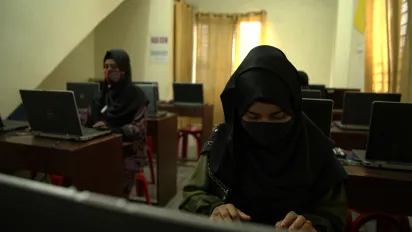
Madrasa Girls Step into a New Future with Digital Skills
News
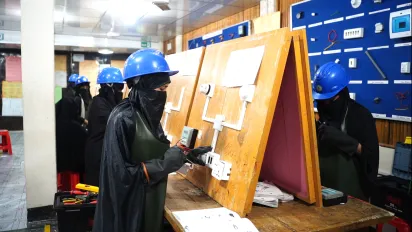
ILO supports first-ever competency-based skills development for Rohingya refugees in Cox’s Bazar, Bangladesh

Article
Market based solutions aid social cohesion in Cox’s Bazar

Report launching
Bridging skills gap key to job creation and economic development in Chittagong-Cox’s Bazar region
News
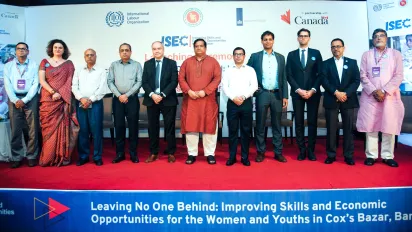
ILO and the Government of Bangladesh launch skills and economic livelihoods project for women and youth in Cox’s Bazar
Videos
Documentary
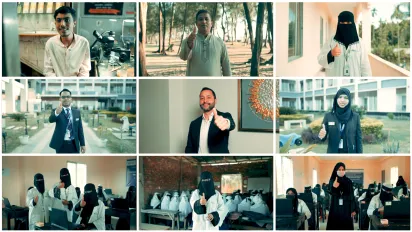
ISEC Project Documentary | Resilience, Skills & Climate-Smart Futures

Podcast
ILO Cox’s Bazar project head speaks to Panowa News on shaping Cox’s Bazar’s economic future
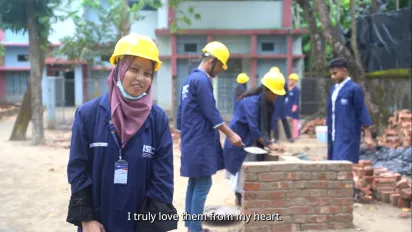
Masonry trainee
Building dreams, brick by brick: Meet the young masons of Moheshkhali
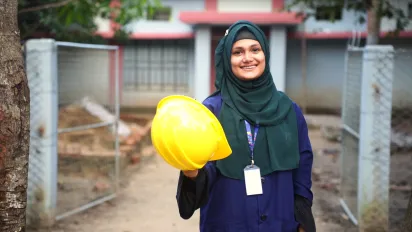
Plumbing trainee
No job is out of reach: Girls' journey into plumbing in Cox's Bazar
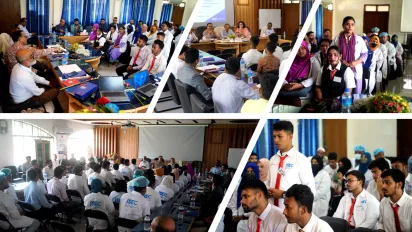
Industry-institute linkage
From Institute to Industry: 80 Talented Trainees Embark on Hotel Internships

Sewing machine operation trainee
Breaking Stereotypes: A Girl’s Journey into Sewing Beyond Disability!
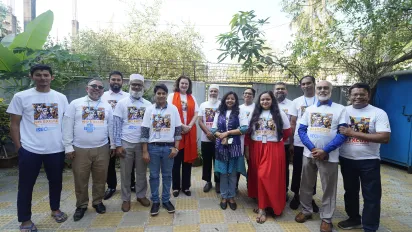
16 Days of Activism 2025
16 Days of Activism Against Gender-Based Violence
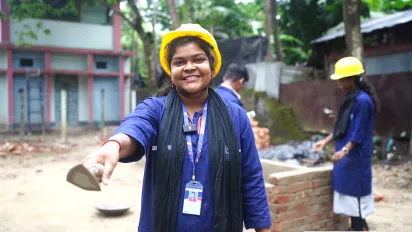
Masonry trainee
Girls' Journey into Masonry – Skills Have No Gender!
Resources
News bulletin
ILO Cox's Bazar News Bulletin, Issue 9
Infographics
ISEC Project Fact Sheet, December 2025
Infographics
ISEC Project Fact Sheet, September 2025

News bulletin
ILO Cox's Bazar News Bulletin, Issue 8
News bulletin
ILO Cox's Bazar News Bulletin, Issue 7
News bulletin
ILO Cox's Bazar News Bulletin, Issue 6

News bulletin
ILO Cox's Bazar News Bulletin, Issue 5
News bulletin
ILO Cox's Bazar News Bulletin, Issue 4
News bulletin
ILO Cox's Bazar News Bulletin, Issue 3
News bulletin
ILO Cox's Bazar News Bulletin, Issue 2
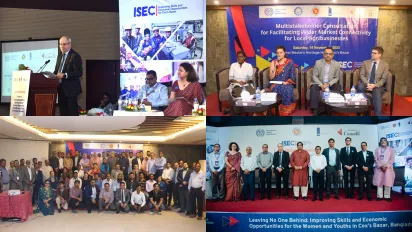
News bulletin
ILO Cox's Bazar News Bulletin, Issue 1
News and stories
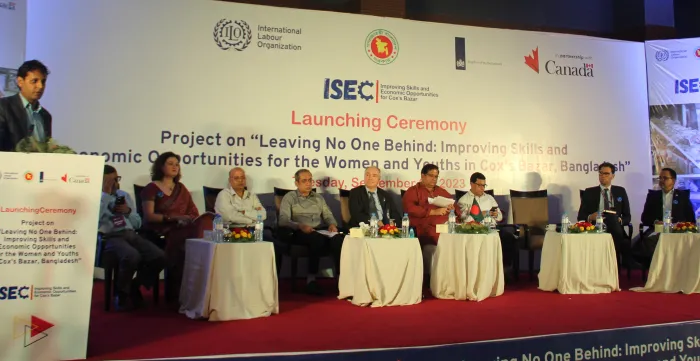
Skills and enterprise
ILO and the Government of Bangladesh launch skills and economic livelihoods project for women and youth in Cox’s Bazar
Publications and documents

Publication
Changing landscape of skills in the age of AI
Publication
Employment, skills and economic inclusion in Cox’s Bazar: An analysis of labour market dynamics and trends
Narrative report
Skills demand and supply assessment in the Chattogram-Cox's Bazar region, Bangladesh
Related content
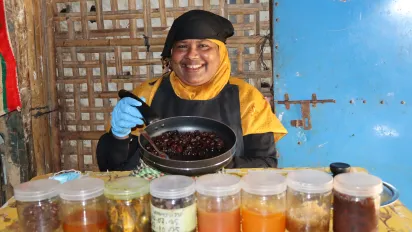
Creating Change, One Story at a Time
They call me a Rohingya refugee, but I’m also an entrepreneur
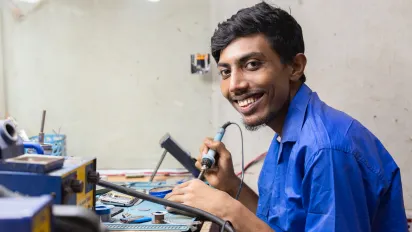
Creating Change, One Story at a Time
Polio slowed my walk, not my will: Breaking limits, one phone at a time