

Social cohesion
Market based solutions aid social cohesion in Cox’s Bazar
ILO’s ISEC project in Cox’s Bazar is facilitating the use of market-based solutions to drive long term economic prosperity and foster social cohesion between the climate-vulnerable marginal host communities and Rohingya refugees in Cox’s Bazar district of Bangladesh.
23 September 2024
(Cox’s Bazar, Bangladesh) Cox’s Bazar in Bangladesh is a district marked by vulnerability, low economic growth and has been hosting the largest number of Rohingya Refugees in South Asia, who have been fleeing persecution from neighbouring Myanmar since 2017. The growing burden of the additional refugee population has impacted the extremely vulnerable and destitute communities in the coastal belt of the district as a large portion of the community's forestry lands and water resources have been taken away to house the one million-plus refugee population in the wake of the influx.
The double jeopardy resulting from reduced access to the use of public land, water, and forestry resources in the region coupled with rising prices of essential goods driven by inflation, the recent political crisis and its impact on the national economy has impinged on the economic livelihoods of local communities resulting in them having to adjust their economic activities and consumption practices due to restricted accesses.
The above dynamic is also a major underlying cause of the stemming social tensions and dissent amongst the local populations towards the Rohingya refugees.
The ILO ISEC (Improving Skills and Economic Opportunities for Cox’s Bazar) project in Cox’s Bazar is working to improve the economic livelihoods of local communities. It does this by investing in developing markets-based skills programmes, working together with local skills institutes and capacitating them to be accredited in line with National standards and frameworks, undertaking entrepreneurship programmes, especially for women, building bridges and establishing industry linkages with the private sector actors in specific sectors.
A key initiative of the project also aims to connect local agricultural producers and traders with larger district and camp markets, offering new economic opportunities while supporting the needs of both local and refugee communities through regulated marketplaces and UN agencies' certified retailers/suppliers. While meeting the economic goals these efforts also contribute to fostering social cohesion between the two communities in Cox's Bazar.
How did ILO intervene?
Collaborative vision: Shaping agricultural trade goals through multistakeholder consultations
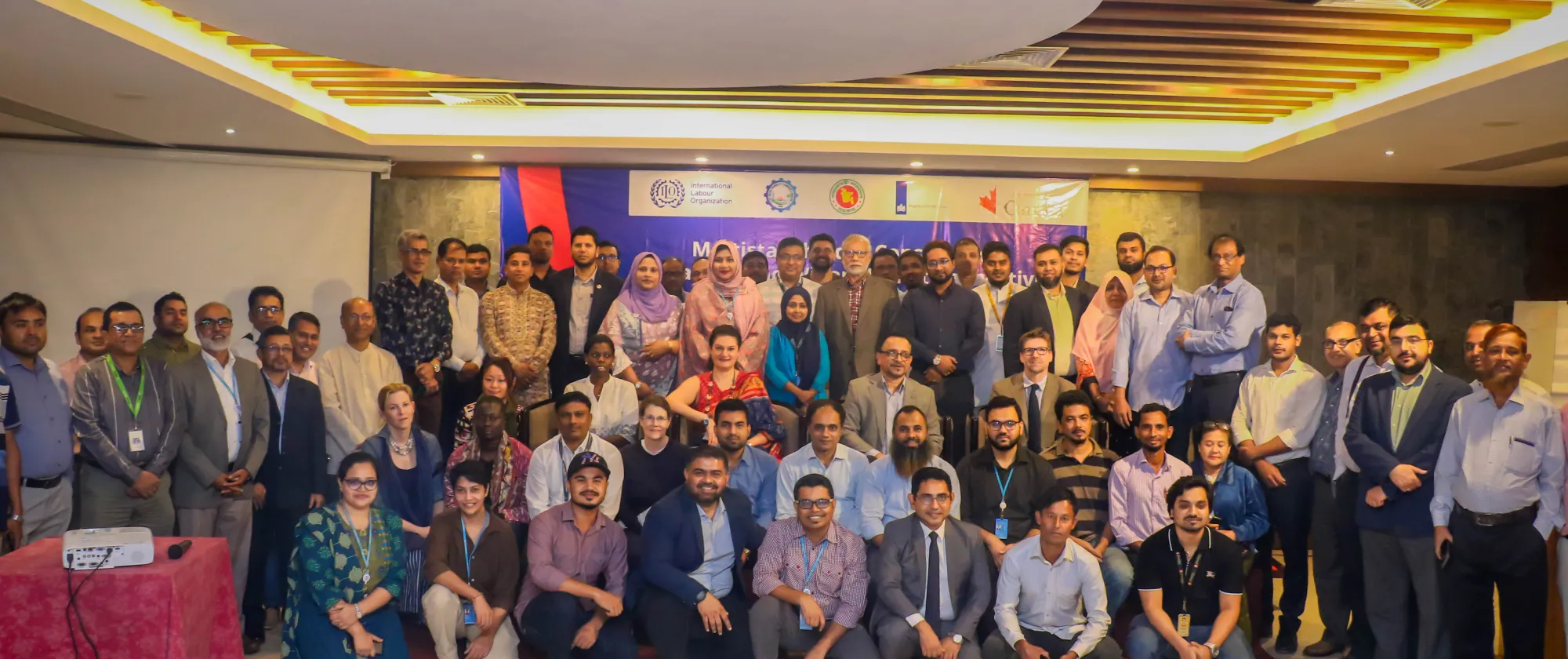
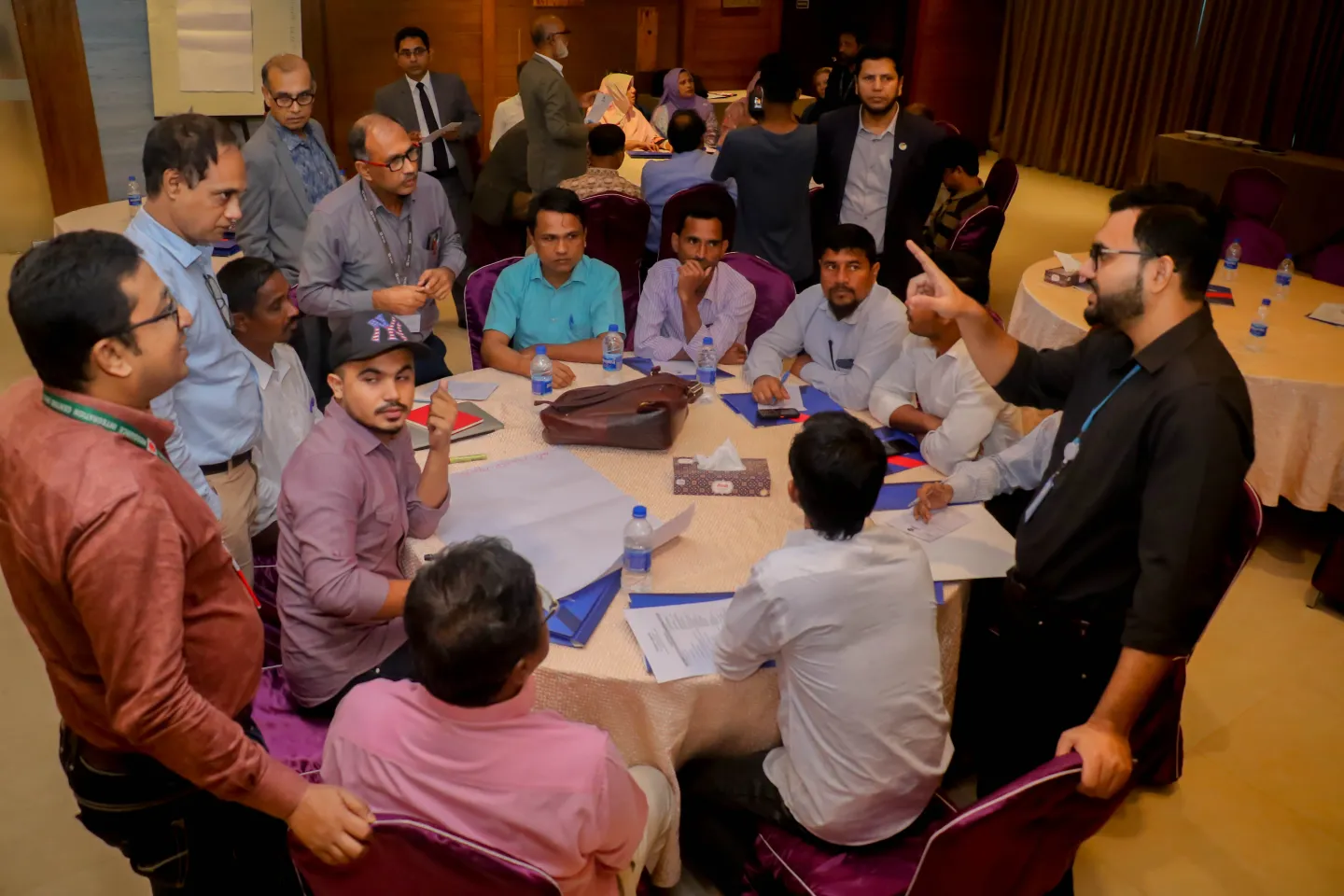
The ILO in collaboration with the Cox’s Bazar Chamber of Commerce and Industry (CBCCI), conducted multistakeholder consultations to understand market access challenges for small farmers in the host community. They identified key bottlenecks such as the lack of understanding and capacity of local traders to the formal vendor enlistment process for camp market trading, price discrepancies in offers, informal costs of trading in such restricted markets, and coordination capacity and issues between local traders and camp markets. Local traders from sectors like dairy, poultry, and vegetables reported challenges like insufficient capital, outdated technology, and random price fluctuations impacting market outreach.
Cultivating connections: Understanding dynamics of agricultural trade in local and camp markets
A study conducted by CBCCI with ILO’s support revealed a significant gap between the demand and supply of agricultural produce in Cox’s Bazar. The total demand for vegetables was approximately 171,763 metric tons (MT), while local supply was only 106,429 MT for the whole district. Recommendations to improve the market environment included working on productivity increase, cropping diversity in addition to incentivizing local purchases by camp retailers, improving payment mechanisms for local farmers, and enhancing coordination between producers’ aggregation centres and retailers. Infrastructure improvements, such as better roads and storage facilities, were also highlighted as critical to the initiative’s long-term success.
Building bridges: Establishing a coordination platform for planning and streamlining efforts
The ILO facilitated the setting up of a coordination platform to bring together local traders, camp retailers, government representatives, and international agencies under the aegis of the Refugees Relief and Repatriation commissioner’s (RRRC) office and CBCCI. This platform aims to streamline business processes, trading practices, and ensure a steady market for local agricultural products for both host and refugees’ communities. The leadership of the RRRC and CBCCI to ensure that local stakeholders have a voice has added to the appeal of this coordination platform which is also in line with the ‘localisation‘ agenda. The focus is on improving market access for local producers by building on existing capacity and infrastructure supporting local agriculture and by streamlining efforts to reduce duplication.

Pathway to progress: Fostering sustainable social and economic cohesion
A key pathway forward entails expanding collaboration between local communities, government authorities and development partners. Strengthening coordination between agricultural producers and camp markets is vital for building local economic resilience.
By investing in developing better infrastructure such as roads, transportation, storage facilities etc., and effective use of route plans and ensuring transparent regulatory frameworks that support market participation for marginalized producers, development partners can create long-term income streams and reduce social tensions. Additionally, fostering capacity-building programs that equip local traders with the right skills and resources needed to meet demands will create sustainable income streams and further mitigate social tension.
Addressing market inefficiencies and bolstering the role of local businesses in the supply chain will require sustained efforts in advocacy, monitoring, and policy alignment. By continuing to prioritize both host and refugee communities in economic development strategies, Cox's Bazar can set a precedent for inclusive growth, sustainable coexistence and long-term prosperity in similar contexts globally.
This ILO initiative is still work in progress and while bringing communities together and convening stakeholders is an ongoing process, the work undertaken until now has received appreciation and acknowledgement from local partners and offers immense hope for enhancing social cohesion through market-driven solutions between the local and refugee populations.