

Child labour
Japan and ILO support cocoa farmers to fight child labour through climate-smart solutions
A high-level ILO mission, joined by the Japanese Ambassador to Ghana, visited the Climate Cocoa Project in Bibiani to witness the impact of Japan-funded efforts to eliminate child labour through climate-smart farming and stronger child protection systems.
8 October 2025
BIBIANI, GHANA (ILO News) – A high-level mission by the International Labour Organization (ILO) and the Government of Japan has shone a spotlight on local efforts to eliminate child labour in Ghana’s cocoa sector, as part of a broader push to build sustainable livelihoods for farming families.
The mission, which included ILO Deputy Regional Director for Africa, Coffi Dominique Agossou, ILO Country Director Vanessa Phala, and the Japanese Ambassador to Ghana, His Excellency Hiroshi Yoshimoto, visited cocoa-growing communities in the Western North Region where the Climate Cocoa Project is being implemented.

Funded by the Government of Japan, the project empowers farmers with sustainable, climate-resilient tools like biochar, while promoting child protection systems and supporting vulnerable children to return to school.
“Cocoa is not just a major export for Ghana, it is the lifeline of many families,” said Ambassador Yoshimoto during the visit. “But as we work to strengthen this sector, we must be clear: it cannot be done at the expense of children. Child labour should have no place on cocoa farms.”
The Climate Cocoa Project is active in eight communities across Bibiani Ahwiaso Bekwai Municipality. It has already supported more than 100 children to return to school, trained 300 cocoa-farming families in eco-friendly biochar production, and introduced community-led initiatives to create child labour-free zones.
In Beposo, the mission delegation met cocoa farmers who shared how using biochar, a green fertiliser made from cocoa waste, is improving yields, reducing farming costs and increasing income.

“Many of us are cocoa farmers, and we make a living from this,” said Nana Samuel Nti, a member of the local Child Protection Committee. “Biochar is giving us better yields. This means we can afford to hire adult labour instead of depending on children to work on our farms.”
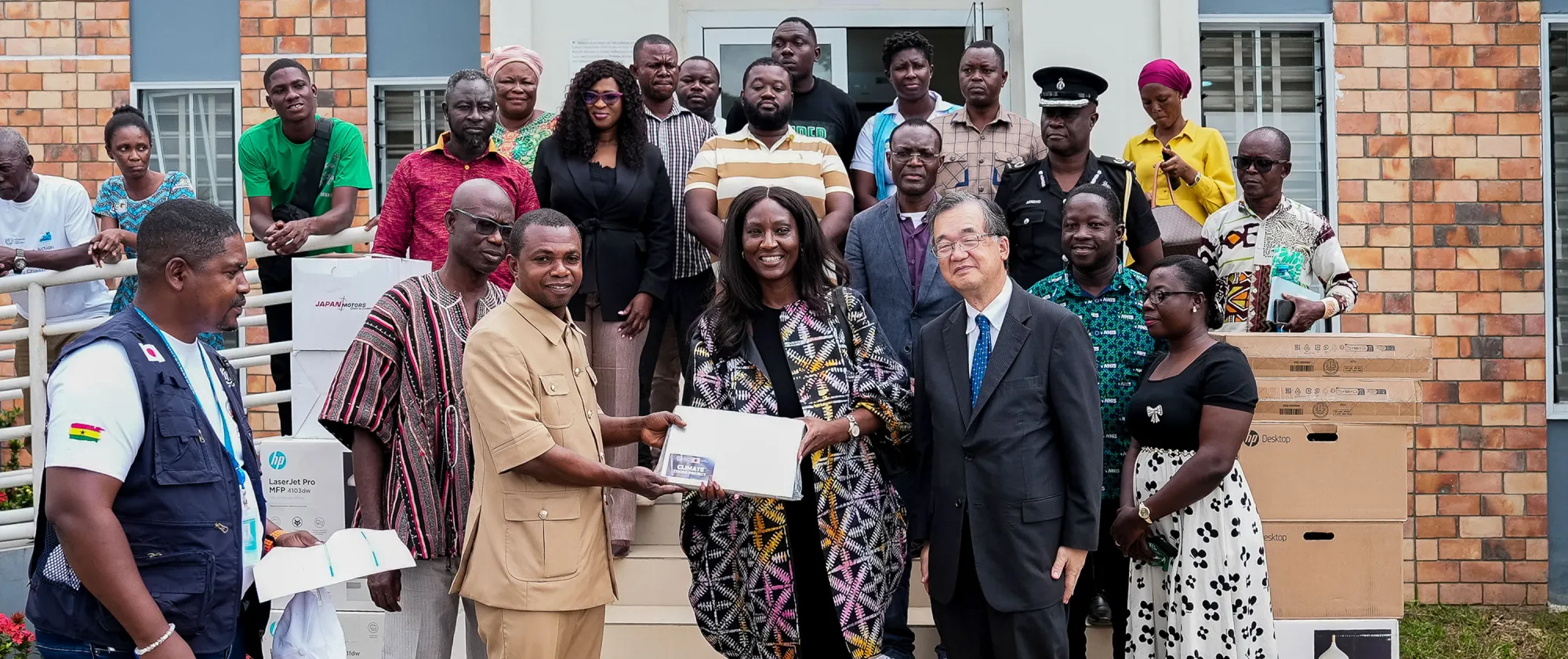
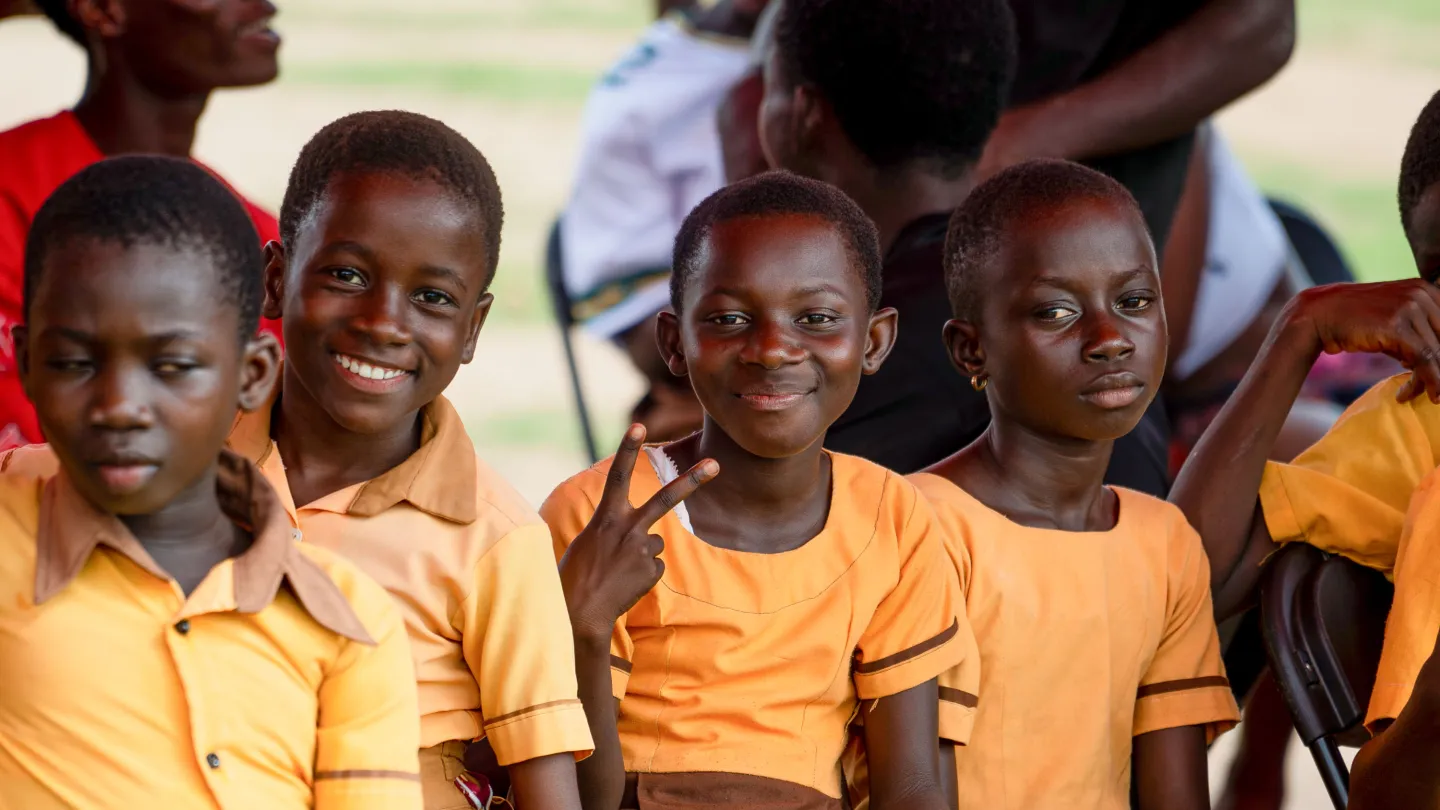
During the visit, equipment including a motorbike, computers and printers was donated to the Social Welfare Unit, National Health Insurance Scheme and Municipal Police Command in Bibiani to boost local child protection and welfare services. School supplies were also presented to children at Adiembra Primary School.
“The ILO’s donation of books and school items will promote effective teaching and learning,” said Stephen Nyantakyi, a teacher at the school. “Children rescued from child labour now have a reason to stay in school.”
The Ambassador praised the project’s holistic approach: “What I appreciate most about this initiative is how it brings together three vital elements; creating child labour free zones, improving farmer livelihoods, and building capacity across communities and stakeholders.”
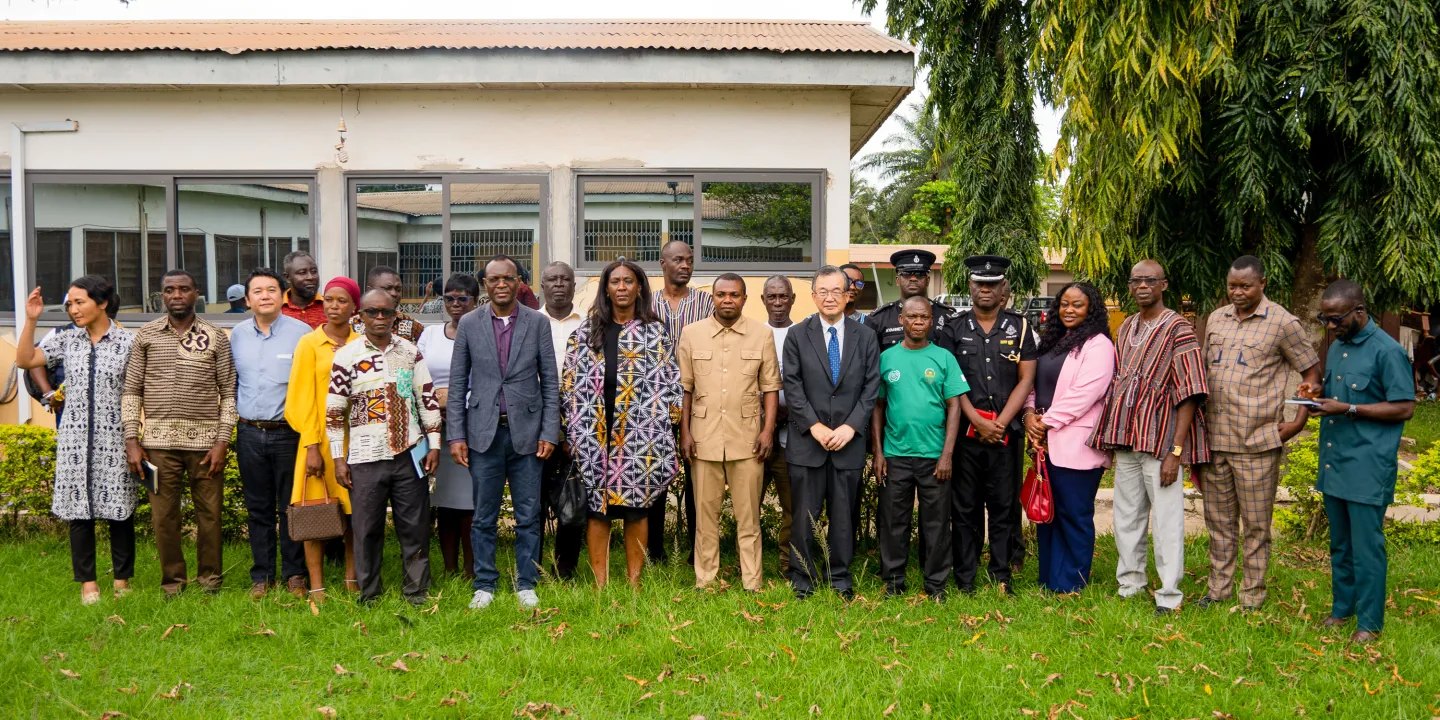
The visit began with a courtesy meeting with the Bibiani Municipal Assembly, where local authorities, ILO officials, and the Ambassador reaffirmed their shared commitment to ending child labour. Member of Parliament Bright Asamoah Brefo also pledged to raise the issue in parliament to support legislative advocacy.
Discussions also underscored the importance of clearly defining child labour and sharing clear messages that raise awareness and encourage action.
"The fight against child labour is about social justice," said Mr Agossou. "Every child, no matter where they are born, deserves the chance to thrive." He added that the fight against child labour is a shared responsibility, one that includes traditional leaders, teachers, police officers, and the broader community.
“This visit highlights the strong collaboration between the ILO, Government of Ghana and our development partners to achieve tangible results,” said Ms Phala. “We are increasing our efforts so that real, tangible change can be seen in the lives of children and families,” added Ms Phala.
Ambassador Yoshimoto concluded with a message of continued partnership: “Japan is committed to supporting Ghana and its development partners in the elimination of child labour in all its forms. I thank the ILO and local communities for their cooperation and look forward to hearing more impactful stories from this project.”
Related content

Strengthening resilience to climate change for the elimination of child labour in cocoa producing areas in Ghana
Climate Cocoa Project
Climate Cocoa Project: Results at a Glance
Relevant projects
Strengthening resilience to climate change for the elimination of child labour in cocoa producing areas in Ghana