

ILO and the German Ministry for Economic Cooperation launch four-year project to promote wage/living income setting in colombia’s agriculture sector
The project “Wage/Living Income Setting: A Focus on Agriculture” aims to implement mechanisms in Colombia that promote social dialogue and collective bargaining as key elements in wage-setting processes.
7 November 2024
BOGOTA (ILO News) Globally, the COVID-19 pandemic had a negative impact on real wages, particularly in rural areas, where incomes tend to be lower (ILO, 2023). According to the ILO, 13% of all employed persons worldwide are moderately poor. In this context, the ILO and Germany’s Federal Ministry for Economic Cooperation and Development (BMZ) have joined forces to promote the establishment of adequate wages in agriculture through statutory minimum wages and collective bargaining in three countries: Côte d’Ivoire, Ethiopia and Colombia.
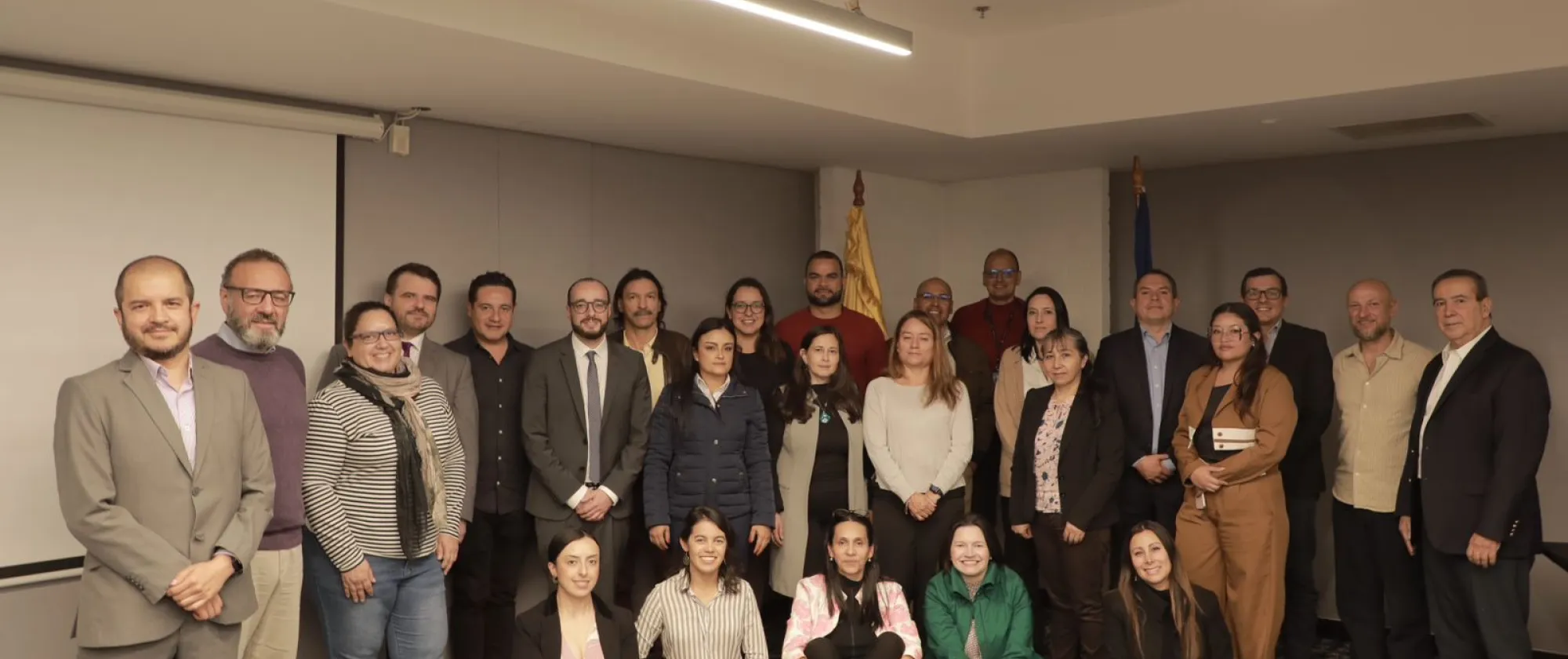
In Colombia, the launch of the project *“Wage/Living Income Setting: A Focus on Agriculture”* took place in Bogotá with a productive tripartite social dialogue event. The event gathered first insights and perspectives from representatives of the public sector, certification bodies, civil society organisations, workers’ organisations, and employer representatives from the banana, coffee and palm sectors.
“We chose Colombia because it is an important agricultural exporting country, especially to Europe in products such as bananas. The European Union has recently adopted a new directive requiring large companies to carry out due diligence in their supply chains. One of the key elements of this due diligence is based on living wages, which is why it is essential to strengthen the institutions involved in this process in the country,” said Guillaume Delautre, Global Project Manager.
The strategy, which is set to run until 2028, builds on the ILO’s *Guiding principles for estimating living wages*, adopted in March 2024. These include the use of evidence-based methodologies and robust data, consultation with workers’ and employers’ organisations, transparency, public availability of information, and consideration of regional and local contexts, including socioeconomic and cultural realities.
The event brought together key stakeholders for this discussion, including the German Embassy, the Ministry of Labour, the Ministry of Agriculture, DANE, CUT, CGT, AUGURA, the National Federation of Coffee Growers (Fedecafé), the National Federation of Oil Palm Growers (Fedepalma), GIZ, BMZ, RSPO and others. For four hours, participants discussed the opportunities, challenges and open questions surrounding the process of setting wages and incomes in Colombia’s agricultural sector.
Nicolas Maitre, Economist in the ILO’s Research Department, commented:
The methodology presented today has been developed by the ILO to estimate living wages. The main objective is to strengthen the capacity of governments – but also of social partners – to set and negotiate adequate wages in an informed manner. The ILO methodology is aligned with all the principles adopted in the conclusions of the ILO expert meeting on wage policies held in February 2024. It estimates and calculates the vital needs of workers and their families.”
From a comprehensive and long-term perspective, the initiative pursues three main objectives: supporting wage/labour income-setting mechanisms; identifying economic, sectoral and institutional factors that can contribute to higher wages and incomes for wage earners and self-employed workers; and supporting the participation of the ILO Office for the Andean Countries’ constituents in Colombia in existing living wage and income initiatives.
Emerson Aguirre, President of the Colombian Banana Growers’ Association (AUGURA), highlighted:
This project is one of the most relevant in terms of labour policy, because it gives us the opportunity to build together – workers, producers and the national government – with the support of the ILO, through a dignified wage calculation methodology that deeply and consultatively addresses the national context.”
The launch of this initiative marks the beginning of a process that will be implemented in three key supply chains for the country: coffee, banana and palm. In the coming weeks, sector-specific dialogues will take place with key stakeholders in the world of work to move forward with actions that promote wage and living income setting and advance decent work in the agricultural sector.
Paola Campuzano, National Project Coordinator in Colombia, noted:
A key element in reducing poverty in our countries is closely linked to wages and income. This project aims to enable our constituents, stakeholders and social actors – especially in the selected agricultural supply chains – to engage in discussions and adopt mechanisms that allow them to negotiate wages based on reliable information. This will ensure compliance with living wage provisions and enable us to progress towards our shared goal of social justice.”
Relevant projects
Development Cooperation Project
Setting Adequate Wages a focus on Agriculture (SAW-A)

SAW-A Project
Setting adequate wages - a focus on agriculture