

Care economy
My journey against tradition as a stay-home-father
With his wife’s career offering greater opportunities, Phadli Hasyim Harahap in Indonesia made the bold decision to take on the role of stay-at-home father—challenging traditional norms and cultural expectations.
16 July 2025
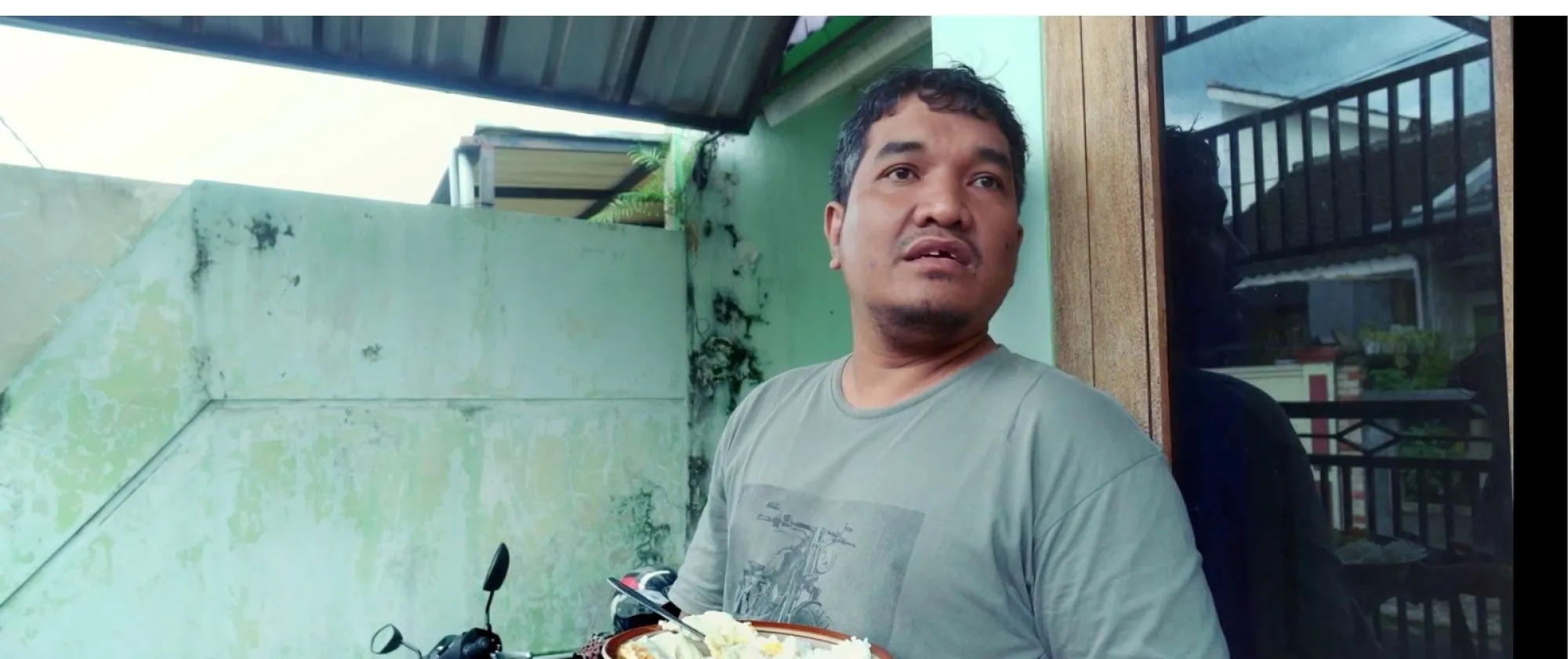
My name is Phadli Hasyim Harahap. I am a 39-year-old father of two and currently a stay-at-home father.
My mornings begin early – usually around 4:30 to 5:00 a.m. I start the day by preparing breakfast for my eldest child, who has school. By 6:15 a.m., while he gets ready, I lay out his uniform. He heads to school via motorbike taxi.
Soon after, I turn my attention to my younger child, who typically wakes between 7:00 and 8:00 a.m. Once she is up, I bathe her so she begins her day neat and fresh. I then prepare a simple breakfast for her – usually just eggs or nuggets. I cook and feed her.
Transitioning into the role of a stay-at-home father came with a mix of emotions. Initially, I felt awkward and even embarrassed.
I’ve been married since 2011. During the early years, I worked as a freelance researcher, which often meant traveling out of town. Naturally, my wife stayed home to care for our children.
But things began to shift when our eldest turned four. My wife received a job offer from a local NGO, and her schedule quickly grew more demanding than mine. As her professional responsibilities expanded, I gradually took on more of the childcare and household duties.

Around the time the COVID-19 pandemic emerged, my contract was nearing completion. Fortunately, I landed another job, but it required us to relocate. From a career standpoint, my wife’s position held more promise, especially after she moved to an international NGO. After careful consideration, we agreed she would continue working outside the home.
Transitioning into the role of a stay-at-home father came with a mix of emotions. Initially, I felt awkward and even embarrassed. Suddenly, I was responsible for everything – ironing, laundry, cooking. It took time to adjust.
So, after thoughtful discussions, we decided that my wife, with her stronger career prospects, would continue working while I focused on caring for our children.
We have never entertained the idea of hiring a domestic worker, as we believe in managing things ourselves. When it comes to food and education, we are confident that we, as parents, make the best and healthiest choices for our children.
Socially, the role brings challenges. My family – especially my father, brother-in-law and other in-laws – often express concern. I am Bataknese, a culture known for its patriarchal social structure, where men generally hold more authority in family and societal matters.
It is uncommon for men not to work. All my older brothers have jobs, and I stand out as the exception. When I return to my hometown, I am often pulled aside and told, “Come on, find any kind of job.”
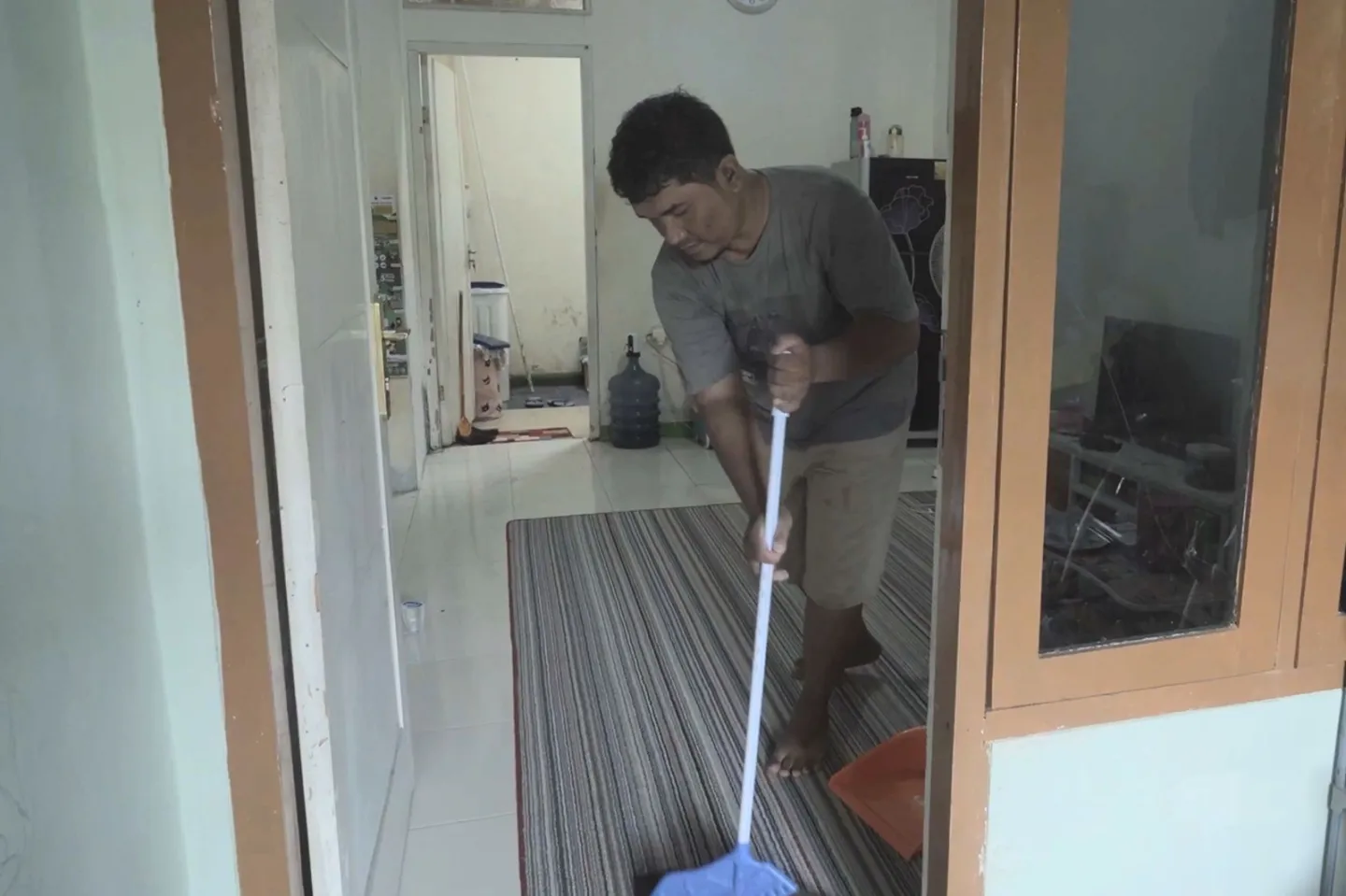
Laundry has become part of my routine. I find it interesting that every time I hang up clothes – especially my wife’s – neighbouring mothers often pass by and ask the same things: “Are you off work today?” or “Where’s your wife?”
Even though they know I am home every day, the sight of a man hanging laundry still seems to raise eyebrows.
After our second child was born, I was offered out-of-town research opportunities. But with my wife’s demanding work schedule, it wasn’t feasible for her to stay home, so I turned those offers down.
We have learned from experience that having both of us working made life chaotic and led to frequent disagreements. So, after thoughtful discussions, we decided that my wife, with her stronger career prospects, would continue working while I focused on caring for our children.
This is our life. This is the choice we made – to raise our children ourselves.
Related content
Project
The Care Economy in Indonesia

Care economy
Advancing Indonesia’s care economy through documentary films

Care economy
Daycare that feels like home
International Day of Older Persons
Elderly care in Indonesia: The visible and invisible
Relevant projects
Project
The Care Economy in Indonesia