

Just energy transition
Learning from the ILO: Looking at skills development through the lens of a Just Energy Transition
An ILO workshop on a just energy transition, organized with Airlangga University, has given a government skills development official a new perspective on how training can prepare people to learn, adapt and grow with change.
27 August 2026
KUBU RAYA, West Kalimantan, Indonesia (ILO News) – Participating online in the workshop “The Future of Indonesia’s Energy Transition: Ensuring No Worker is Left Behind”, organized last July by the ILO through its Regional Innovation Initiative for a Just Energy Transition (IKI-JET) project in Indonesia, in collaboration with the Institute for Sustainable Community Services (LPMB) at Airlangga University (UNAIR), offered me a new perspective on the future of work.
As a Technical Policy Reviewer in the Skills Development Division, Kubu Raya Regency Government, West Kalimantan, I initially saw the energy transition mainly as an issue related to renewable energy and technological change. However, the workshop helped me understand that the energy transition is also closely linked to the future of workers.
Preparing for the future of work is not only about creating new jobs. More importantly, it is about preparing people to learn, adapt and grow with change.
One question that stayed with me came from Muce Mochtar, ILO IKI-JET National Project Coordinator: “If coal mines and coal-fired power plants are eventually retired, where will the people who work there go?” This simple question made me look at the energy transition from a different perspective.
When an industry changes or its activities decline, the workers who have long depended on that industry must also face change. At the same time, not all workers have the same skills or opportunities to move into new jobs.
They need access to skills development opportunities, including upskilling and reskilling, as well as social protection and opportunities to move into new employment. For me, this is where the meaning of a Just Energy Transition becomes more tangible: the shift towards cleaner energy must go hand in hand with efforts to ensure that no worker is left behind.
Rethinking the role of skills development
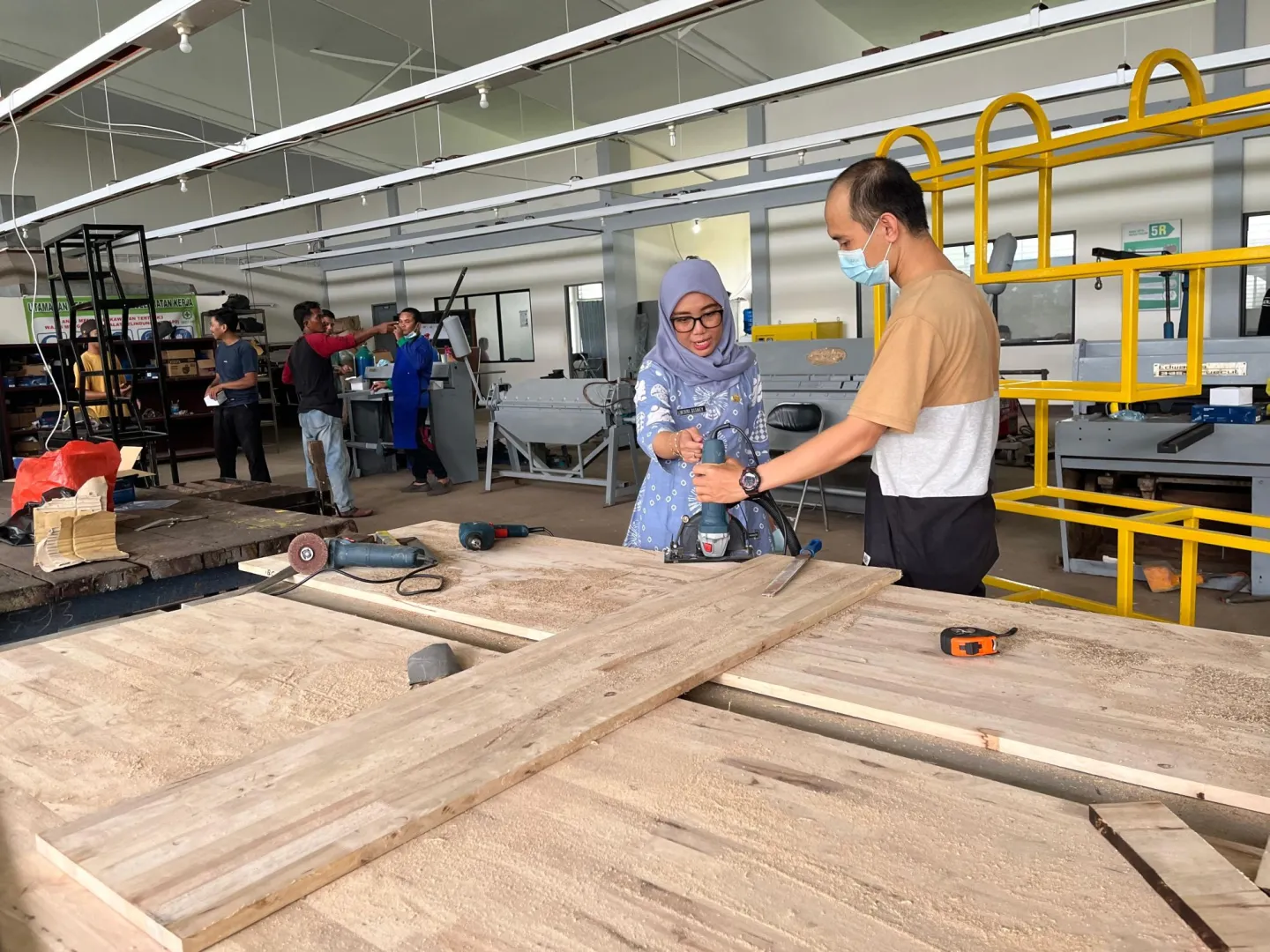
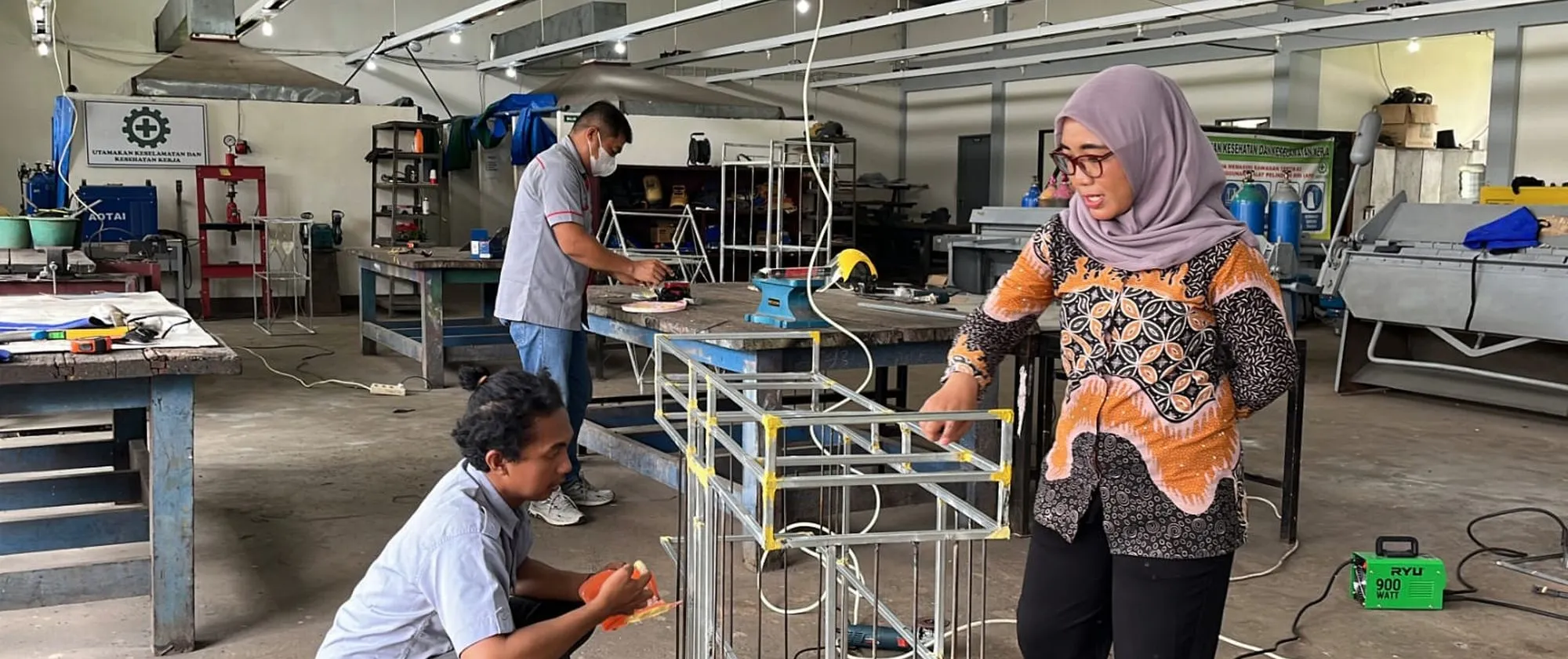
The workshop also encouraged me to reflect on my day-to-day work. When thinking about skills development programmes, I had usually focused on practical questions: Are the competencies being taught aligned with industry needs? Can participants find jobs after completing the training? Does the training provide them with economic benefits?
After attending the workshop, however, I began to see skills development in a broader context. Training is not only about helping someone find a job; it is also about preparing workers for change. As industries transform, the skills they require also evolve.
This has made me increasingly interested in deepening my understanding of green skills. I began to realize that the question is not only which jobs can be considered green jobs, but also how existing jobs can evolve as the green economy develops.
This experience has led me to ask a new question when thinking about skills development programmes: Will the skills participants learn today still be relevant when they enter the labour market several years from now?
This question is important to my work. Skills development programmes need to help workers not only meet the demands of today’s jobs, but also develop the ability to continue learning, adapting and moving from one job to another as the world of work changes.
Ultimately, the greatest benefit I gained from the workshop was a change in perspective. I came to learn about the energy transition, but I left with a stronger understanding of the role skills development can play in helping workers navigate changes in the world of work.
For me, the principle of “leaving no one behind” now has a more concrete meaning. A just transition is not only about creating green jobs, but also about ensuring that workers, including those with limited skills and less access to training, have opportunities to learn and prepare themselves for change.
Preparing for the future of work is not only about creating new jobs. More importantly, it is about preparing people to learn, adapt and grow with change.
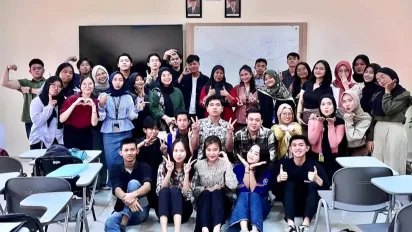
Drawing on her experience participating online in an ILO workshop with Universitas Airlangga on a just energy transition held in Surabaya, East Java, in July 2026, Winni Disney, a government official working in skills development in Kubu Raya Regency, West Kalimantan, reflects on the role of training not only in providing new skills, but also in preparing workers to adapt and grow with change.
This article is part of the ILO Youth Network, a platform for young Indonesians to share their ideas and perspectives on a range of employment and labour issues.
Related content

IKI-JET in Indonesia
Innovation Regions for a Just Energy Transition (IKI-JET)
Press release
Young people key to advancing a Just Energy Transition in Indonesia
Just energy transition
The next generation helps shape Indonesia's just energy transition
Learning from the ILO: How I am preparing my students for a just energy future
Relevant projects
IKI-JET in Indonesia
Innovation Regions for a Just Energy Transition (IKI-JET)