

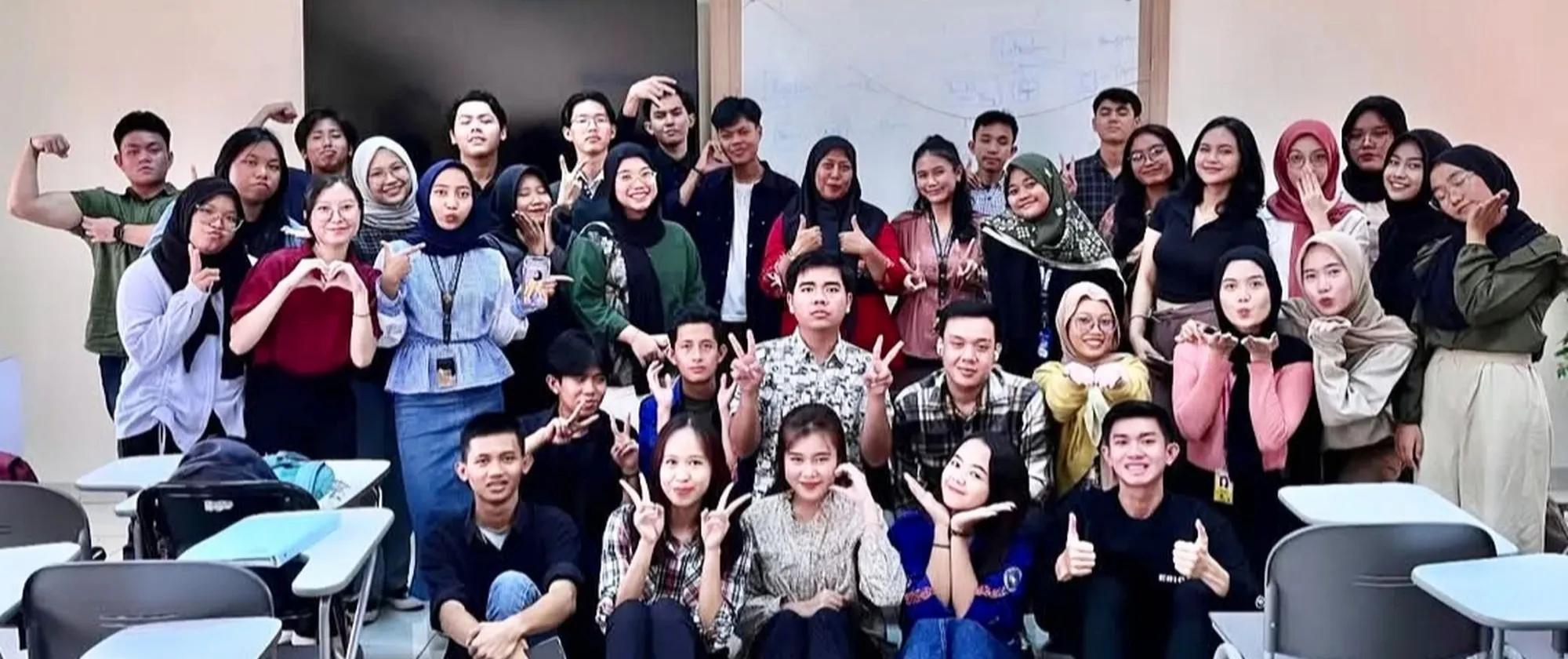
Learning from the ILO: How I am preparing my students for a just energy future
Inspired by an ILO workshop, a Sriwijaya University lecturer sees how teaching can spark change and help prepare students to contribute to a just and greener future.
17 September 2026
PALEMBANG, South Sumatra, Indonesia (ILO News) – When I attended the Empowering the Future: Challenges and Job Opportunities in the Energy Transition Era workshop, organized last August by the ILO through its Regional Innovation Initiative for a Just Energy Transition (IKI-JET) project in collaboration with Sriwijaya University in Palembang, South Sumatra, I left with a broader question: What can I, as a lecturer, do to help prepare my students for this transition?
As a lecturer of English Literature in the Department of International Relations at Sriwijaya University, my first impression of the workshop was how human-centred the discussions were. Too often, discussions about energy focus mainly on megawatts, emissions and investment. However, the workshop started with people.
For me, the conversation that started at the ILO workshop must now continue in our classrooms, our communities and our digital spaces.
This was particularly relevant in South Sumatra, a province where many families depend on the coal industry. During the workshop, students asked honest questions about the future of their parents’ jobs and what the transition might mean for their own futures. These discussions made abstract concepts such as “just transition” and “social protection” feel much more tangible and urgent to me.
From the workshop, I learned that a just energy transition must balance three important dimensions: environmental sustainability, economic opportunity and social justice. It is not enough to expand renewable energy if we ignore workers who may lose their jobs as coal-dependent economies change. The workshop helped me better understand why decent work and social dialogue need to be at the centre of the transition.
Communication as part of the transition
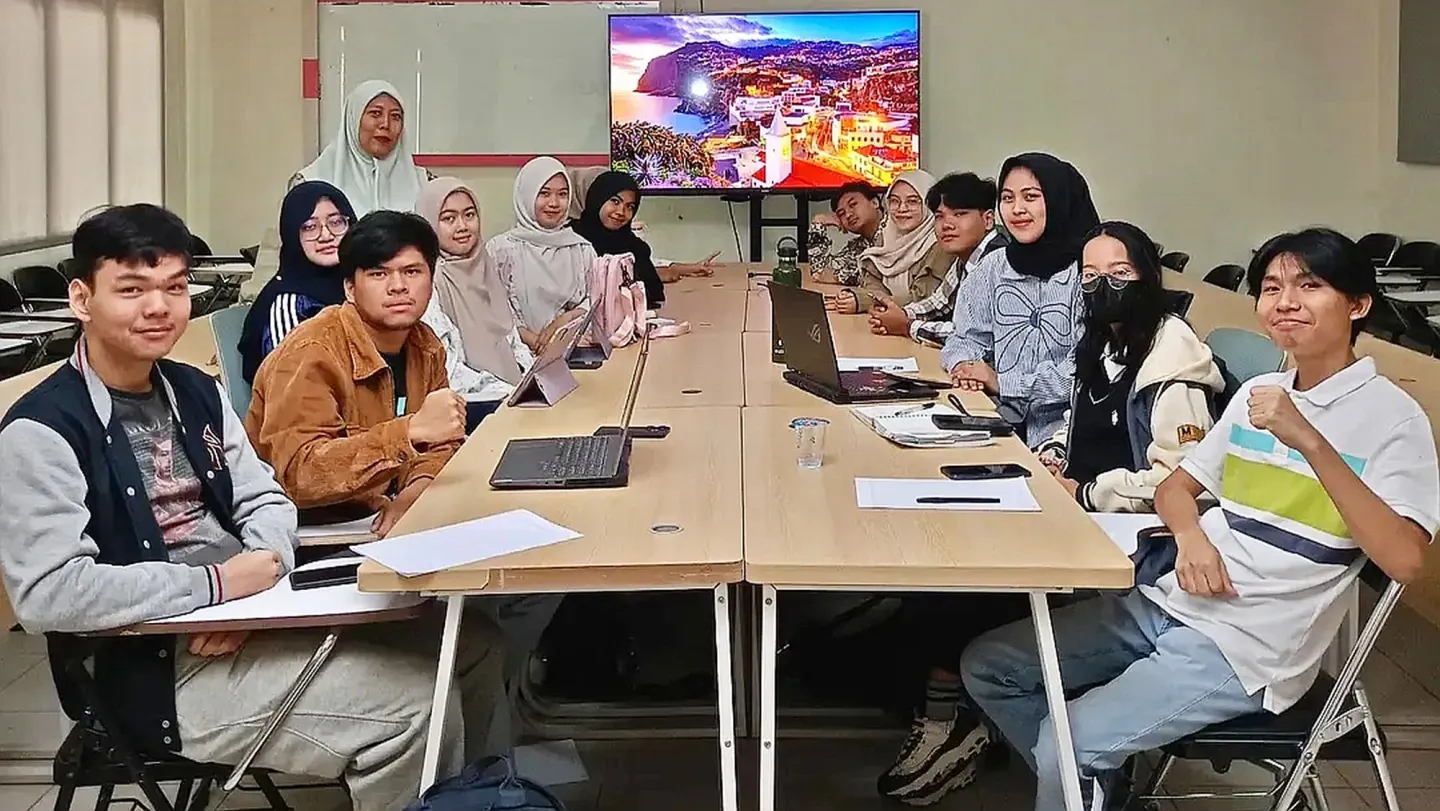
I also gained a clearer understanding of the role of education. Universities such as Sriwijaya University have a responsibility to equip students not only with knowledge and technical skills, but also with the ability to think critically about fairness, inclusion and the impact of economic transformation on different groups of people.
In addition, I came to appreciate the power of communication. The discussions highlighted the importance of communicating the just energy transition in ways that people can understand and relate to. This lesson is directly connected to my own field.
I now see my role differently. I can help prepare students who are able to bridge the gap between policy and people – students who can understand change, communicate it effectively and ensure that different voices are heard.
Before attending the workshop, I understood the “energy transition” mainly as a shift from fossil fuels to renewable energy. Now, I understand it as a much broader process of transformation that requires trust, dialogue and storytelling. I realized that the energy transition is not only an engineering or economic project. It is also a communication and cultural project.
In International Relations, we prepare students who may become diplomats, NGO professionals, government officials and policy-makers. In the future, they may need to negotiate climate agreements, write policy briefs and explain complex issues to the public. Without effective communication, even the best policies can be difficult to implement.
Living and teaching in Palembang makes this issue very personal to me. Many of my students come from communities affected by or dependent on the coal industry. We cannot talk about renewable energy without acknowledging their realities. At the same time, we have a responsibility to prepare them for new opportunities that may emerge from the transition.
Bringing the just transition into the classroom
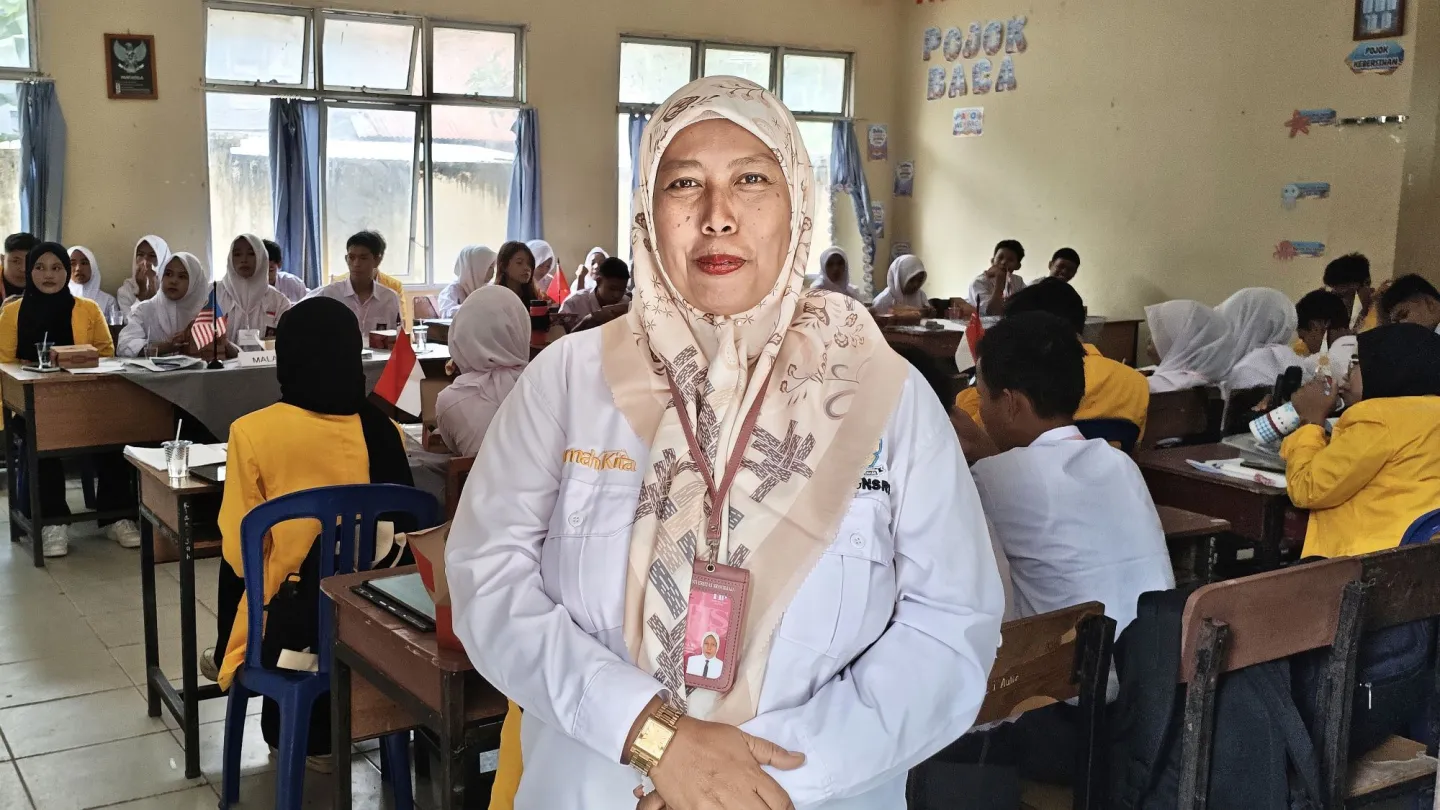
This new perspective has encouraged me to think about how I can bring what I learned from the workshop into my teaching. I have made three plans.
First, I will revise my Writing Skills course for International Relations students to include a module on “Writing for Climate and Energy Policy.” Students will practise writing a policy brief on the just transition in South Sumatra, a press release for a renewable energy project and messages for a digital campaign. The ILO workshop will serve as one of the case studies.
Second, I will integrate literature and storytelling into my teaching on these issues. We will analyse poems, speeches and narratives about work, land and the environment. Students will then create their own stories from the perspectives of affected communities. I believe literature can build empathy, and empathy is an important foundation for ensuring that transformation is fair and inclusive.
Third, I plan to build stronger partnerships between the campus and communities. The enthusiasm shown by students at the workshop demonstrated to me that young people want to be involved. I hope to collaborate with local organizations to develop student-led digital campaigns on energy literacy and social protection. This will give students practical experience while also allowing them to contribute to their communities.
The ILO workshop taught me that technology alone will not deliver a just future. We also need words, stories and dialogue. I now see my role differently. I can help prepare students who are able to bridge the gap between policy and people – students who can understand change, communicate it effectively and ensure that different voices are heard.
For me, the conversation that started at the ILO workshop must now continue in our classrooms, our communities and our digital spaces.
Drawing on her experience participating in an ILO workshop on the just energy transition with Universitas Sriwijaya in Palembang, South Sumatra, in August 2026, Juliantina, S.S., M.S., Lecturer of English Literature in the Department of International Relations, Faculty of Social and Political Sciences, Sriwijaya University, reflects on how teaching can help prepare students to understand, adapt to and contribute to a changing world of work.
This article is part of the ILO Youth Network, a platform for young Indonesians to share their ideas and perspectives on employment and labour issues.
Related content

IKI-JET in Indonesia
Innovation Regions for a Just Energy Transition (IKI-JET)
Press release
South Sumatra’s youth advance Indonesia’s Just Energy Transition through innovation and collaboration
Just energy transition
South Sumatra’s youth look beyond coal towards a greener Indonesia
Our impact, their voices
A young Indonesian looks beyond coal towards a greener South Sumatra
Just energy transition
Learning from the ILO: Looking at skills development through the lens of a Just Energy Transition
Relevant projects
IKI-JET in Indonesia
Innovation Regions for a Just Energy Transition (IKI-JET)