

Just transition
Just transition - a sustainable path for Viet Nam’s Paper and Pulp industry
While MSMEs face significant hurdles, from limited resources to evolving sustainability requirements, these obstacles also open the door for innovation, skills growth, and cleaner practices that can propel the industry toward a more competitive and inclusive future.
15 December 2025
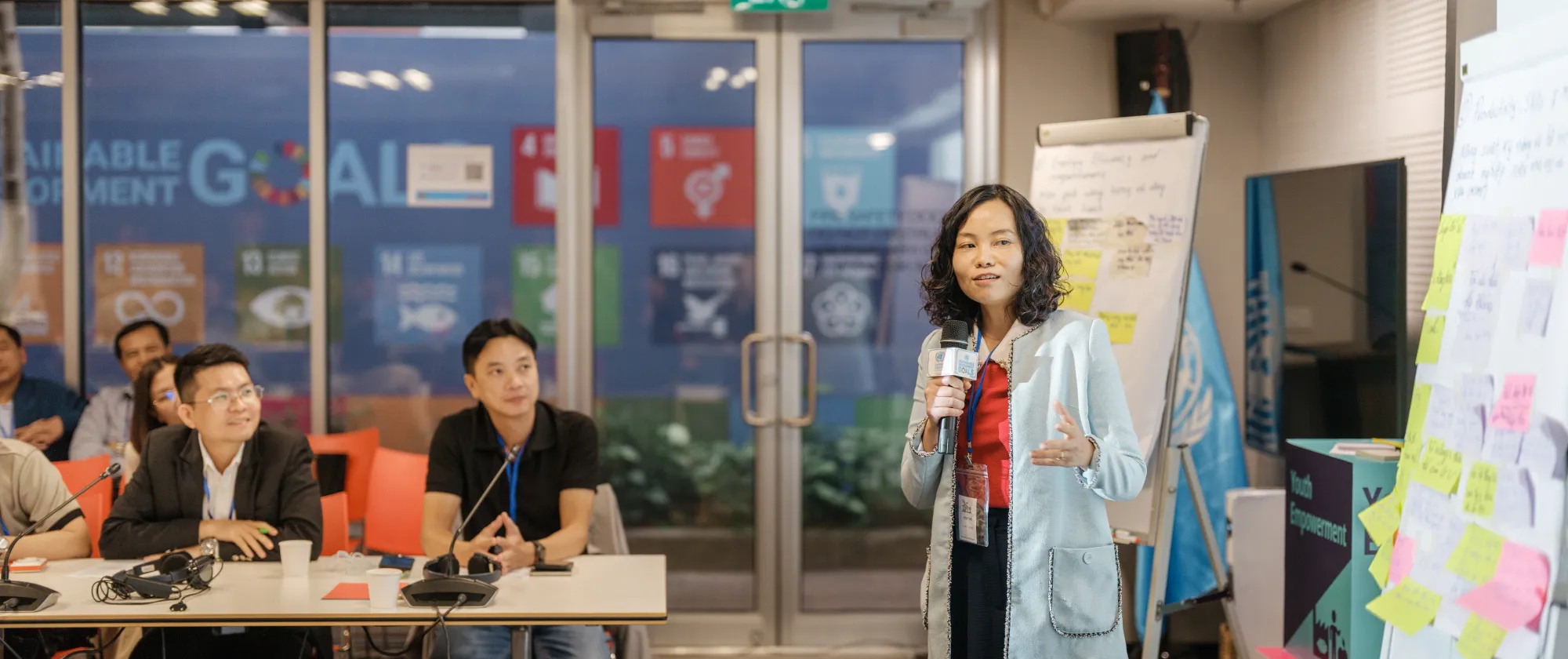
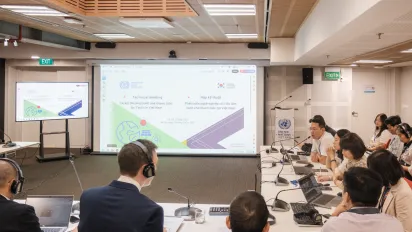
HA NOI (ILO News) - A technical meeting on “Promoting Just Transition in Viet Nam’s Pulp and Paper Industry” was jointly organized by the International Labour Organization (ILO) and the Viet Nam Paper and Pulp Association (VPPA). The event brought together around 50 representatives from government agencies, employers’ and workers’ organizations, enterprises, research institutions, education and training providers, development partners, VPPA and ILO to explore practical solutions for an industry towards achieving environmental sustainability, economic competitiveness, and decent work for all.

The industry at a crossroads
Viet Nam’s paper and pulp sector is expanding rapidly, creating nearly 150,000 jobs (according to NSO data in 2023)[1] and contributing significantly to the national economy. Yet, the industry faces pressing challenges such as heavy reliance on imported pulp and recycled materials; rising energy and environmental compliance costs; intensifying regional competition; and increasingly stringent carbon emission standards and sustainability certifications. Moreover, there remain considerable disparities in production capacity, technology, and equipment across factories, along with significant gaps in workers’ skills. In some small and medium-sized enterprises, working conditions are still not fully compliant with regulations and standards. Environmental sustainability can only be ensured when both businesses and workers strictly adhere to and implement regulatory requirements. In the context of Viet Nam’s commitment to a low-carbon economy and emission reduction, advancing a green transition anchored in social justice – a Just Transition – is no longer optional but essential for sustainable development.
“Just Transition is not only an environmental imperative but also an opportunity to strengthen competitiveness, foster innovation, and ensure decent work. Investing in skills development and improved working conditions is a strategic choice that drives productivity and sustainable enterprise growth.” - Ms. Sinwon Park, Director of ILO Viet Nam, highlighted the importance of Just Transition in the sector.
Mr. Hoang Trung Son, Chairman of VPPA, emphasized: “The industry must shift from extensive growth to intensive development – improving quality, technology, and competitiveness. Our goal is not simply to produce more, but to produce greener, more efficiently, and with higher value, contributing to Viet Nam’s Net Zero ambition.”
From policy to practice
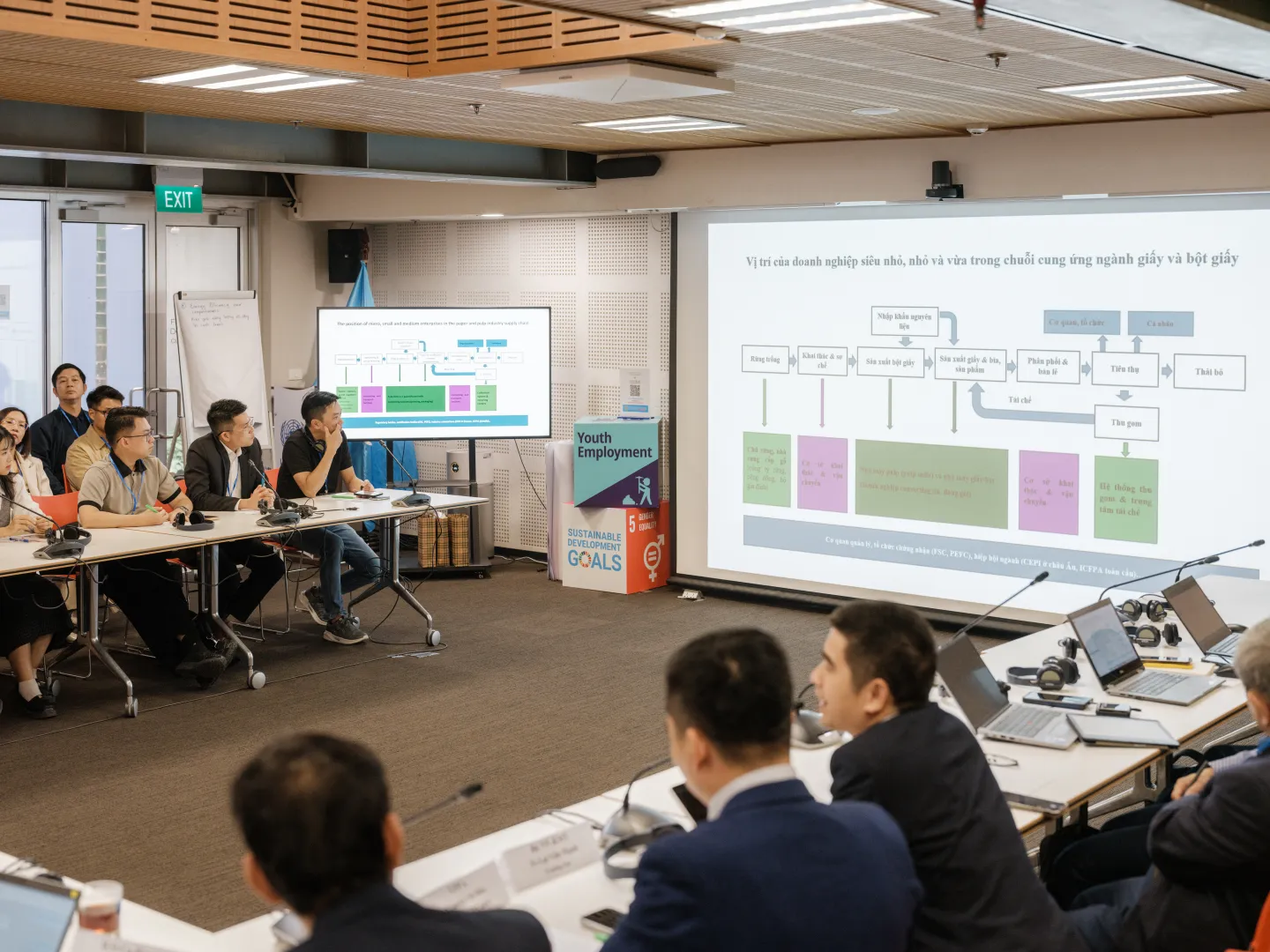
The workshop was not only a knowledge-sharing event but also aimed to foster inclusive dialogue and participatory engagement. Technical sessions covered green policy frameworks, support measures for micro, small, and medium-sized enterprises (MSMEs), and the characteristics, opportunities, and challenges of value chains, as well as the demand for transition. These sessions were delivered by experts from the Ministry of Agriculture and Environment and VPPA.
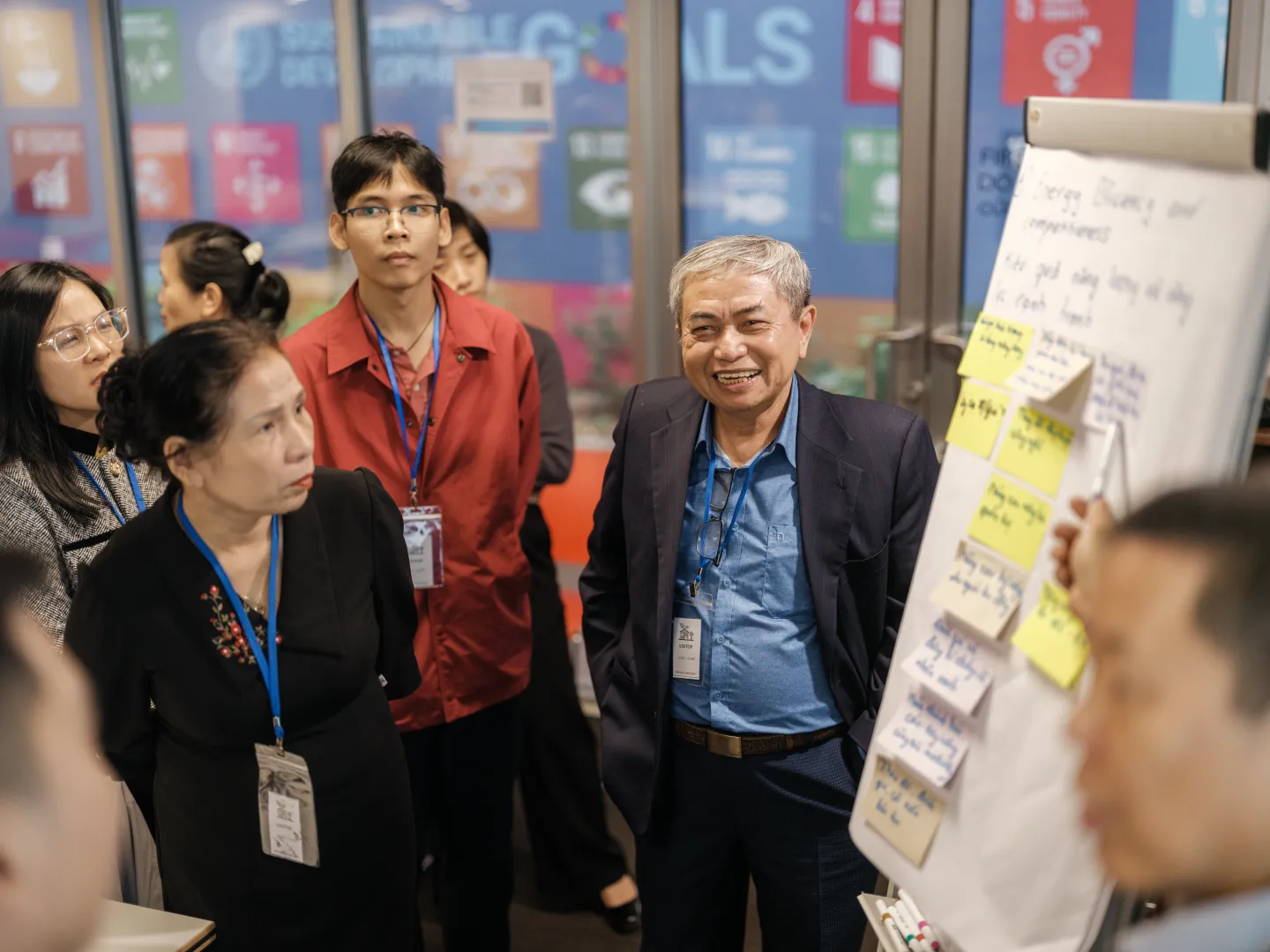
A key highlight was the World Café session, designed and supported by the Senior Specialist on Environment and Decent Work from the Decent Work Team of the ILO Regional Office with support from VCCI, VPPA and relevant staff at ILO Viet Nam. This interactive format enabled dynamic exchanges on three critical dimensions: energy efficiency and competitiveness; productivity, skills development, and MSME support; and occupational safety and health (OSH) in green workplaces.
Participants actively contributed insights, shared practical experiences, and proposed actionable solutions, reflecting a strong commitment to turning policy into practice through social dialogue and partnership. Enterprises and training institutions also expressed expectations for VPPA and other associations to play an important role in connecting stakeholders and driving coordinated action.
Towards a green and fair future
This consultation is part of the Asia-Pacific Just Transition Initiative, supported by the Government of the Republic of Korea. The recommendations emerging from the workshop will inform a concrete roadmap to enable Viet Nam’s paper and pulp industry to become greener, more competitive, and socially inclusive.
“Through this consultation, we aim to identify practical support measures for the short term, next year, as well as long-term directions to advance a Just Transition in Viet Nam’s paper and pulp industry.” – Shin Hochul, Chief Technical Advisor, ILO–Korea Partnership Programme.
“With the support of ILO–Korea Programme, the engagement of enterprises, and the commitment of Government and the Association, I believe that Viet Nam’s paper and pulp industry will advance to a new level – more sustainable and more competitive.” – Mr Son concluded.
[1] Based on ADB’s 2023 multi-region input-output tables and ILO employment estimates, Viet Nam’s pulp, paper, printing, and publishing sector employed approximately 259,000 workers in 2023.

Related content
Country portal
Viet Nam

Youth Employment
Promoting Integrated Youth Employment Programme in Viet Nam
Youth Employment
Supporting career pathways for young people in Viet Nam’s green economy

International Youth Day 2025
Film screening sparks youth dialogue on green jobs and decent work

Global Employment Trends for Youth 2024
Number of youth not in employment, education, or training (NEET) a cause for concern, despite falling jobless rate
Youth Employment
From education to decent jobs: Why career development support matters for Viet Nam’s youth?