Youth Employment
Supporting career pathways for young people in Viet Nam’s green economy
Young people are central to Viet Nam’s green transition. With adequate guidance, training, and other labour market support, they can access green jobs and help shape a more environmentally sustainable economy and society.
30 May 2025
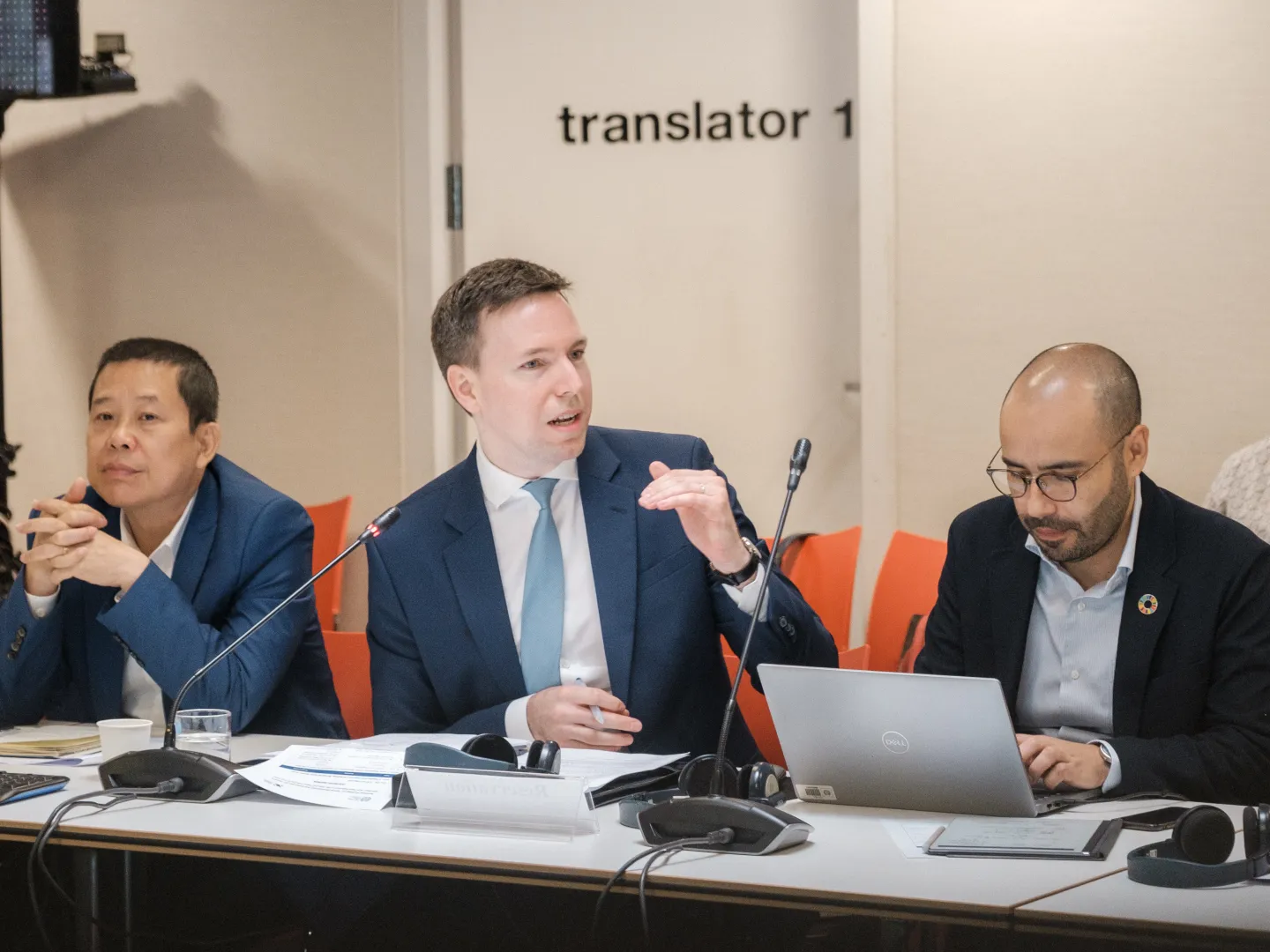
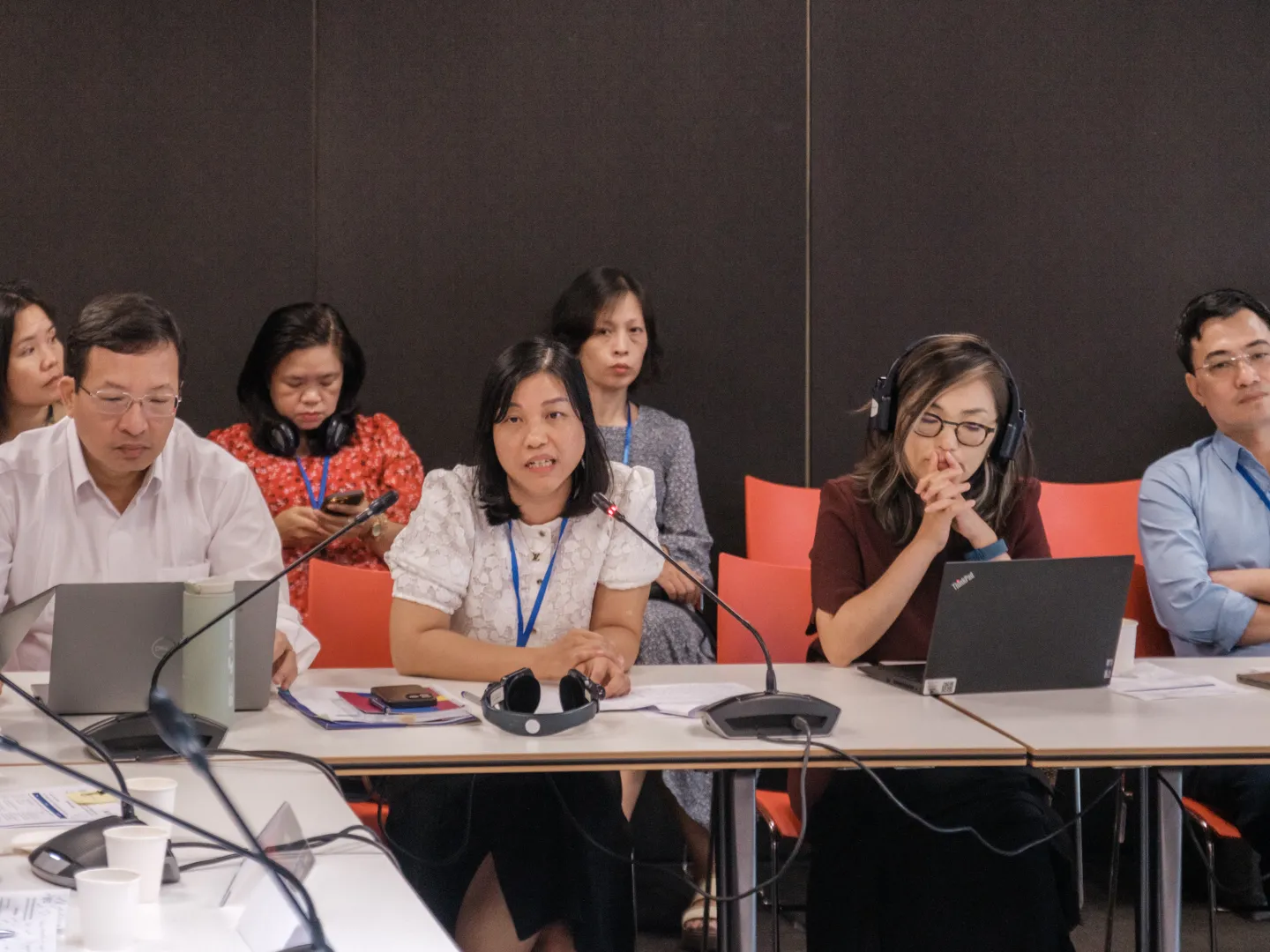
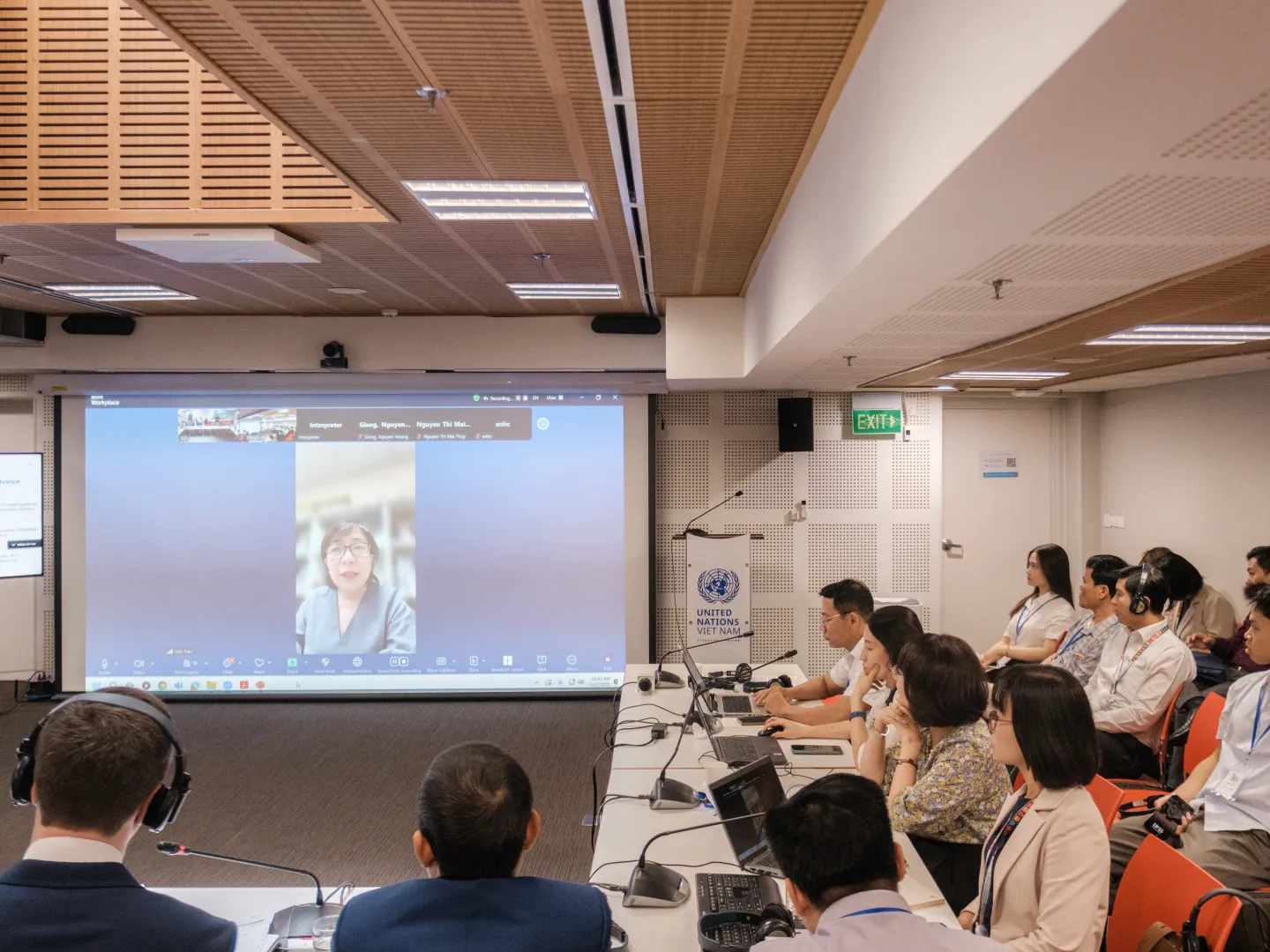
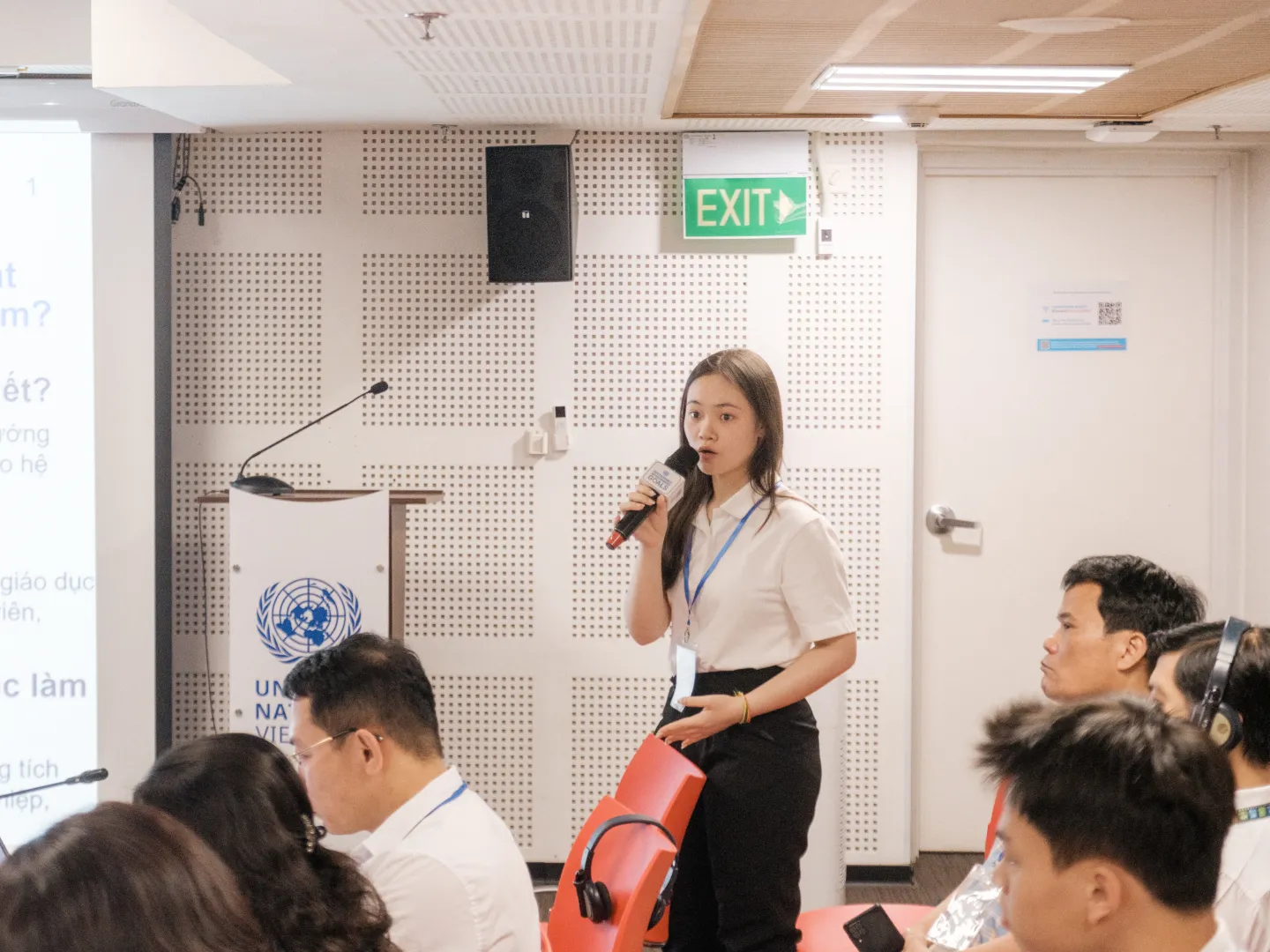
HA NOI, ILO News – As Viet Nam advances its green transition, a technical meeting held on 27 May 2025 brought together government officials, social partners, educators, researchers and youth representatives, and stakeholders to examine how effective career development and skills development systems can better prepare young people for decent work opportunities—particularly in green jobs and emerging sectors.
Organized by the International Labour Organization (ILO) with support of the ILO-Korea Partnership Programme, the meeting addressed key labour market challenges faced by youth, skills mismatches, unequal access to labour market information and quality jobs. This is reflected in a higher unemployment rate for youth than adults — 7.93 per cent in the first quarter of 2025 according to the National Statistics Office — and about 1.35 million youth currently not in employment, education, or training (NEET).
“In today’s rapidly evolving labour market, career guidance and skills systems must work hand in hand to ensure that no young person is left behind—especially as we transition to greener economies,” said Ingrid Christensen, Director of the ILO Country Office for Viet Nam, while emphasising the need for pro-employment macro-economic policies to support creation of quality jobs.
Viet Nam’s commitments to green and digital transformation present timely opportunities to enhance employment prospects for young people. Although green jobs accounted for only 3.6 per cent of total employment according to a World Bank analysis in 2023, occupations with the potential to become green accounted for more than 40 per cent. While green jobs are more likely to be formal and higher-skilled, they tend to be dominated by men and older workers in Viet Nam.
In this context, Luong Thi Hai Anh, Deputy Director of Youth Affairs and Gender Equality, Ministry of Home Affairs (MOHA), emphasized that “without youth, there is no green future.” She highlighted the importance of integrating green career pathways into national development strategies and called for stronger career guidance starting from secondary education. “We must ensure that young people—especially young women—are equipped with the skills and opportunities to thrive in green and digital economies,” she said, the Government’s strong commitment to promoting youth employment and placing young people at the heart of national development policies.
Dr. Tran Van Tinh, University of Education of Viet Nam National University, Ha Noi, echoed this sentiment in his presentation, emphasizing the need to embed green career pathways into both general and vocational education. He called for stronger linkages between schools, training institutions, and employers, as well as improved access to green labour market information.
“Green jobs are often more stable, formal, and skilled—but we must act to ensure they are also accessible to young people”, said Hochul Shin, Chief Technical Adviser of the ILO-Korea Partnership Programme. “While responding to a Vietnamese youth's request for more practical youth support policies, he provided an overview of early youth employment interventions in the Republic of Korea. These included supporting capacity building for career and job exploration among university students, expanding support for young people's work experience in private companies, expanding specialized services such as providing subsidies to youth facing employment difficulties, and promoting a fair hiring culture.”
Key discussion areas included, among others: aligning career guidance information up-to-date information on green job opportunities; strengthening the capacity of teachers and career counsellors; enhancing labour market information systems to support career planning and job matching; providing relevant work-based learning; and promoting inclusive access to green jobs, particularly for disadvantaged and marginalized youth.
The ILO Career Guidance Package was highlighted as a practical solution to support learners aged 14 to 19 in exploring career options. The toolkit includes a teacher’s guide, a student workbook, and an occupational reference manual — all available in both web and mobile app formats — to help students and young people make informed and reliable career decisions.
The meeting concluded with a shared understanding of the need to strengthen career development and skills development for green jobs. The ILO reaffirmed its continued support to the tripartite constituents in Viet Nam through the Decent Work Country Programme, to promote productive employment and decent work for youth.