

Promoting rights and social inclusion through organization and formalization (PRS) – Phase 2: Nepal Component
The project contributes to the reduction of decent work deficits and gender inequalities in the informal economy and promote the transition to the formal economy in Nepal, India and Pakistan. This page has information for the Nepal component of the project.
Duration
1 December 2022 - 30 June 2026
Development partner(s)
ILO/Japan Multi-bilateral Programme
Reference
RAS/22/12/JPN
Location
Nepal
Contact
Ms. Tshering Yodin Sherpa, National Project Coordinator
Project background
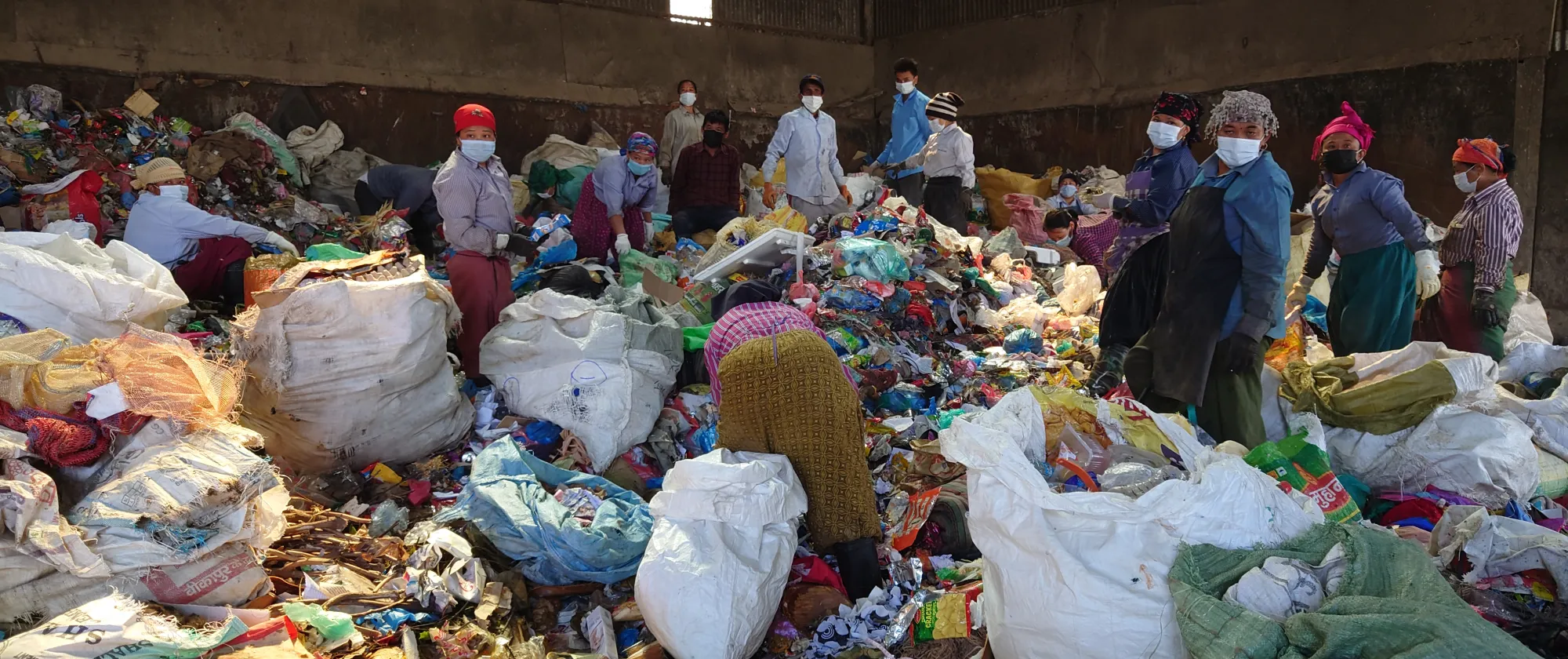
Nepal’s labour force is largely informal, with 84.6 per cent of workers employed in the informal economy - and women disproportionately affected, with 90.5% in informal employment. These workers often face low wages and lack legal and social protection. Domestic workers and those in waste management are among the most marginalized.
The Government of Nepal, with ILO’s technical support, has prioritized formalization through a National Action Plan on Formalization and is developing a National Strategy on Formalization. These efforts focus on formalizing enterprises, extending social protection, and generating better data through sectoral diagnostics and national surveys. A major milestone was the 2023 introduction of contribution-based social security for informal and self-employed workers. Looking ahead to its graduation from Least Developed Country status in 2026, Nepal has also committed to the UN Global Accelerator on Jobs and Social Protection for Just Transition, underscoring its dedication to inclusive growth and decent work.
In this context, the PRS Project works closely with social partners and government to address decent work deficits and gender inequalities in the informal economy, promote formalization, and strengthen partnerships and coordination among policymakers, employers’ organizations, and workers’ organizations to tackle informality and gender inequality.
Project objectives
The project aims to reduce decent work deficits and support the transition of informal economy workers and enterprises to formality. The immediate objectives for the Nepal component are:
- Strengthen the capacity of national employers’ and workers’ organizations to implement strategies promoting formalization and gender equality.
- Enhance partnerships and coordination among constituents and stakeholders to identify and implement policies supporting formalization and gender equality.
- Raise awareness and build support among wider stakeholders, including the public, on the challenges and vulnerabilities of informal workers and enterprises.
The project will also contribute to stronger institutional capacities, enhanced social dialogue, and improved implementation of national laws, fundamental conventions, and international labour standards.
Areas covered
Sectors: Domestic work and sanitation
Locations: Bagmati Province, including Kathmandu Metropolitan City, Lalitpur Metropolitan City, Suryabinayak, Madhyapur Thimi, Tokha, Tarakeshwar, Budhanikantha, Chandragiri, and Nagarjun Municipalities.
Partners
Government: Ministry of Labour, Employment and Social Security (MoLESS), Department of Labour and Occupational Safety (DoLOS), local governments
Trade Unions: All Nepal Federation of Trade Unions (ANTUF), General Federation of Nepalese Trade Unions (GEFONT), Nepal Trade Union Congress (NTUC)
Employers’ Organizations: Solid Waste Management Association of Nepal (SWMAN)
Target beneficiaries:
The ultimate beneficiary of this project are informal domestic and sanitation workers. The project will also benefit government agencies and strengthen the capacity of employers’ and workers’ organizations to represent and support the interests of informal workers and economic units.
Related content
Occupational safety and health
Strengthening workplace safety of waste segregation workers in Nepal
Occupational safety and health
Ensuring safety, health and dignity of waste management workers in Nepal
Informal Economy
Unions in Nepal co-create tailored training tools to support informal workers

Development cooperation project
Promoting rights and social inclusion through organization and formalization (PRS) – Phase 2