

Op-Ed
Decent work for domestic workers can’t wait any longer
Fifteen years after the adoption of ILO Convention No. 189, millions of domestic workers in Latin America and the Caribbean continue to face high levels of informality and limited access to social protection. In this op-ed, the ILO Regional Director reflects on the progress achieved and the challenges that remain to ensure decent work and social justice for this essential workforce.
16 June 2026
-
 By Ana Virginia Moreira GomesRegional Director of the ILO for Latin America and the Caribbean
Fifteen years ago, during the International Labour Conference, millions of paid domestic workers worldwide gained the recognition they had long been denied.
The adoption of the ILO Domestic Workers Convention, 2011 (No. 189), marked a historic milestone by recognizing that domestic work is work, and that those who perform it are entitled to the same rights and protections as all other workers.
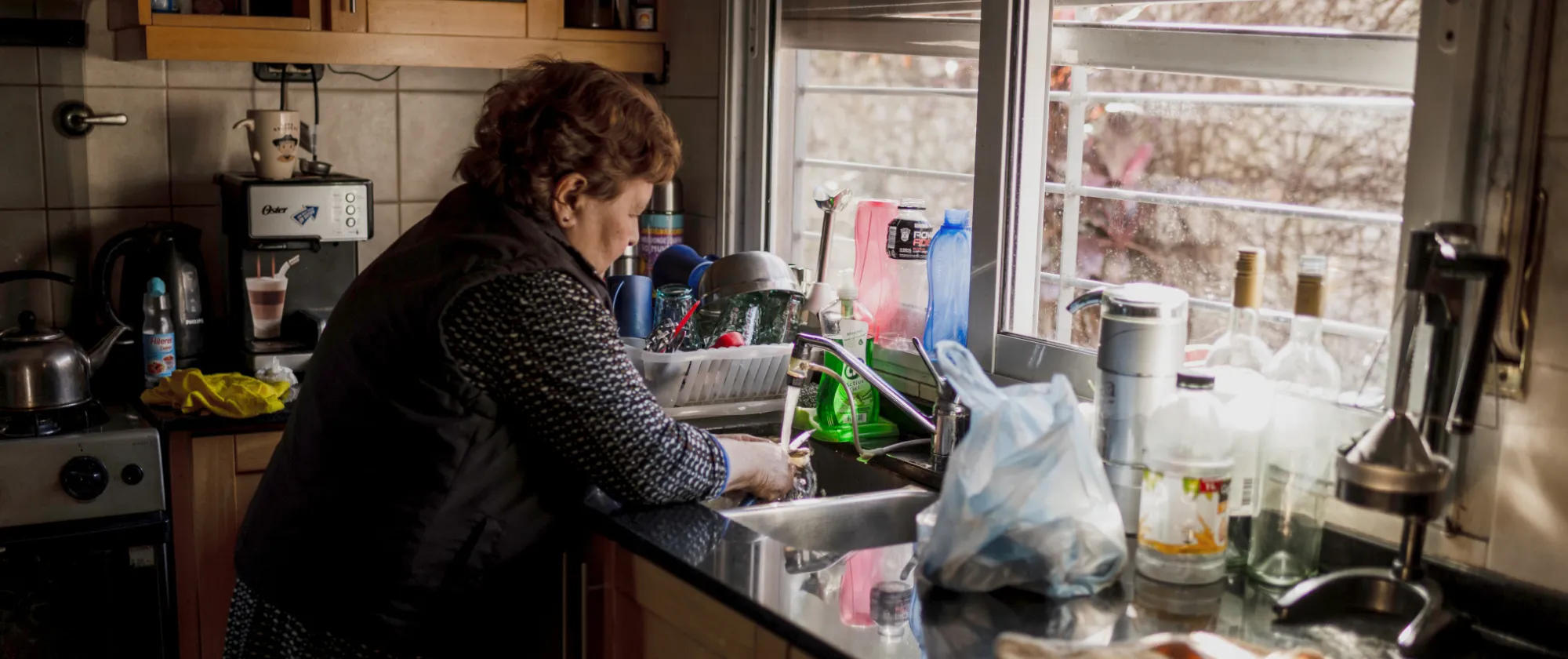
Domestic workers play an essential role in sustaining families, societies and economies. They clean homes, prepare meals, care for households and gardens. They also provide care and support to children, older persons and persons with disabilities.
Yet in Latin America and the Caribbean, around 13.5 million domestic workers — approximately 90 per cent of whom are women — make domestic work one of the most feminized occupations in the region. They continue to face a reality marked by informality, limited access to labour rights and social protection, and insufficient representation.
Fifteen years after the adoption of Convention No. 189, many countries have expanded labour protection for domestic workers. Nevertheless, much remains to be done to ensure the effective implementation of these rights. By 2021, the share of domestic workers covered by labour legislation worldwide had increased by 15 percentage points. Yet in our region, only one in five domestic workers was covered by social security, while nearly eight in ten remained in informal employment.
The high levels of informality that characterize the sector also expose domestic workers to occupational accidents and diseases, as well as greater economic insecurity in old age.
For migrant domestic workers, these challenges are often compounded by restrictive migration regulations, recruitment costs and fees, lack of recognition of skills and qualifications, dependency on employers, and fear of losing their regular migration status.
Today, protecting domestic workers is more urgent than ever. The future of domestic work in Latin America and the Caribbean will be shaped by population ageing, the expansion of care systems, rising female labour force participation, migration dynamics, digitalization and climate change. Together, these trends will increase the demand for care services and reinforce the need to professionalize, formalize and protect paid domestic work.
While important progress has been made, the question now is how we can accelerate change over the next fifteen years to ensure effective protection for all domestic workers.
Fortunately, the movement for domestic workers’ rights is stronger today than it was fifteen years ago.
The International Domestic Workers Federation currently brings together 94 affiliated organizations in 71 countries and represents more than 676,000 domestic workers worldwide.
Latin America and the Caribbean has also witnessed the sustained strengthening of domestic workers’ organizations. Their voice has been instrumental in advancing legal reforms, promoting the ratification of the Violence and Harassment Convention, 2019 (No. 190), and defending the labour rights of domestic workers. They have also helped ensure that domestic work is recognized as an essential component of the care systems and care policies that are advancing across many countries in the region.
At the current pace, it would still take another 85 years to ensure that all domestic workers are protected. That is far too long.
The time has come to ensure that those who sustain the well-being of so many people and of our societies enjoy rights, decent work and social justice.
Contenido relacionado

Topic portal
Domestic workers

Topic portal
Care economy