

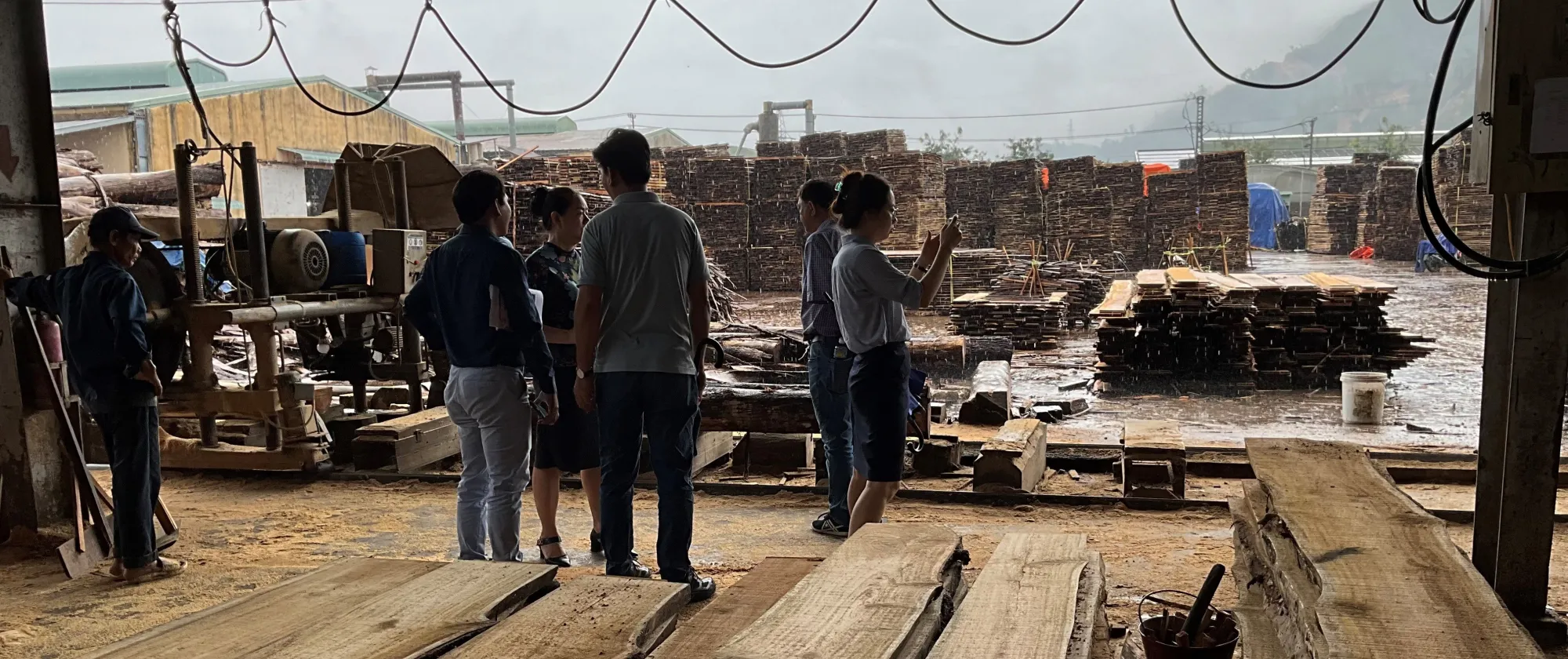
Decarbonisation is a new priority for Viet Nam's wood processing industry
Vietnamese wood processing enterprises are increasingly recognising the importance of sustainable practices. With support from the ILO Productivity Ecosystems for Decent Work Viet Nam team, efforts are underway to enhance awareness and promote emission reduction best practices within the sector.
4 June 2024
HANOI, Viet Nam (ILO News) - Many wood processing enterprises in Viet Nam, including those exporting to the EU market, have yet to recognise the opportunities and challenges of adopting sustainable practices. They often lack awareness of their environmental impact and the benefits of greener practices, facing obstacles such as limited resources, technological constraints, and regulatory uncertainties.
Until 2022 no domestic wood processing enterprises in Viet Nam had conducted a comprehensive Greenhouse Gas (GHG) inventory or set clear GHG reduction goals. Green transition has been minimally addressed in the sector's formal agenda.
The European Union (EU), through the EU Emissions Trading System (EU ETS) and the European Green Deal, enforces transparent reporting and holds companies accountable for their carbon emissions. These initiatives incentivize businesses to adopt sustainable practices, invest in clean technologies, and transition to a net zero economy. By leading in GHG reporting standards, the EU sets a precedent for other regions and industries to prioritize environmental stewardship and contribute to global climate action.
The intervention design: from raising awareness to experimental GHG pilot roll-out
ILO Productivity Ecosystems for Decent Work Viet Nam team, in collaboration with the Swiss Import Promotion Program (SIPPO), organized a series of awareness-raising activities to enhance wood sector enterprises' understanding of new market trends and the opportunities available through emission reduction best practices.
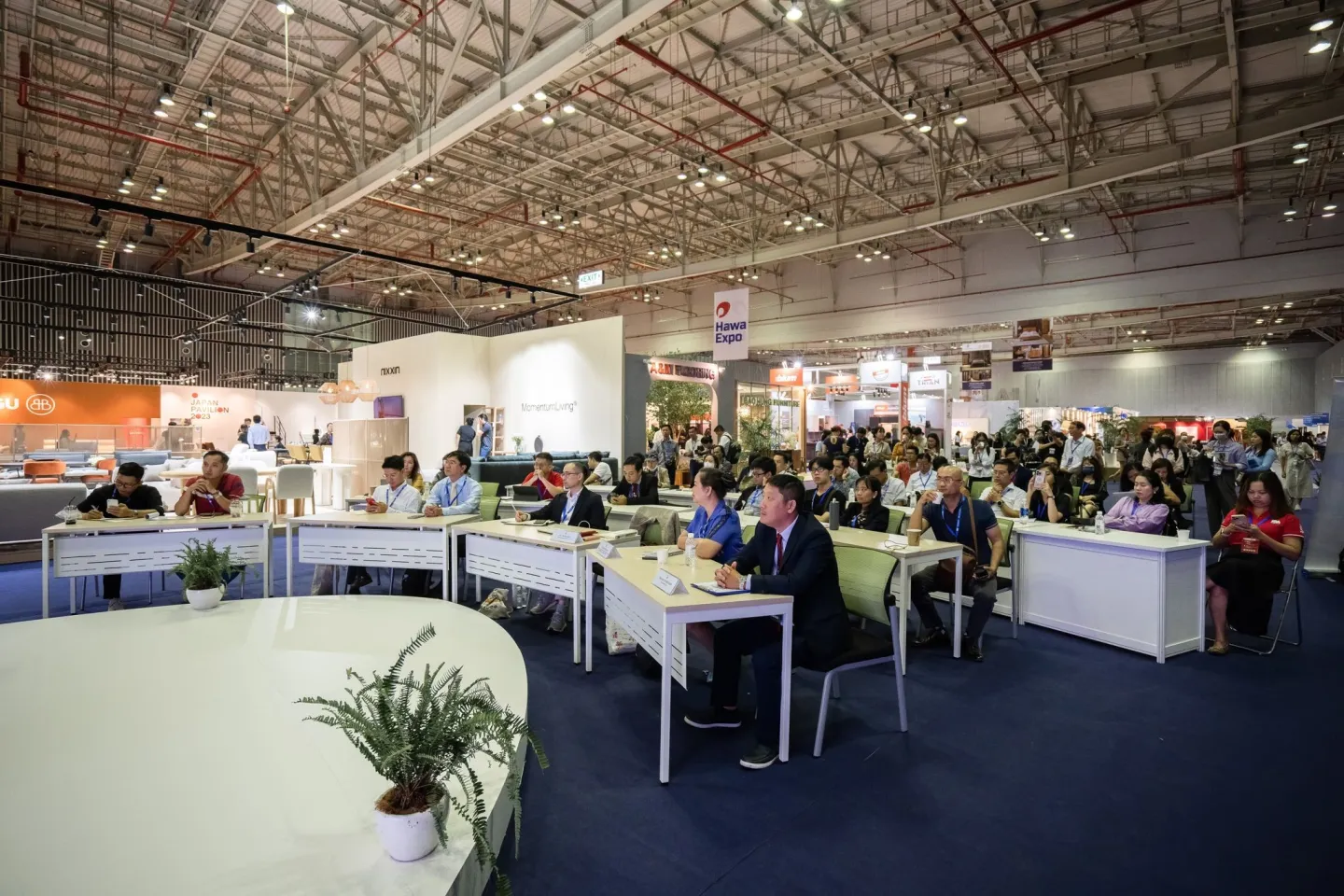
The projects jointly launched an emission reduction seminar at HAWA Expo (Handicrafts and Wood Industry Association), Viet Nam's largest furniture fair attended by hundreds of enterprises in February 2023. Additionally, several sectoral strategic discussions were held to influence the agendas of the four leading associations in the sector: Handicraft and Wood Industry Association, Ho Chi Minh City (HAWA), Binh Duong Furniture Association (BIFA), Forestry Products Association Binh Dinh (FPA), and Dong Nai Wood Processing Association (DOWA).
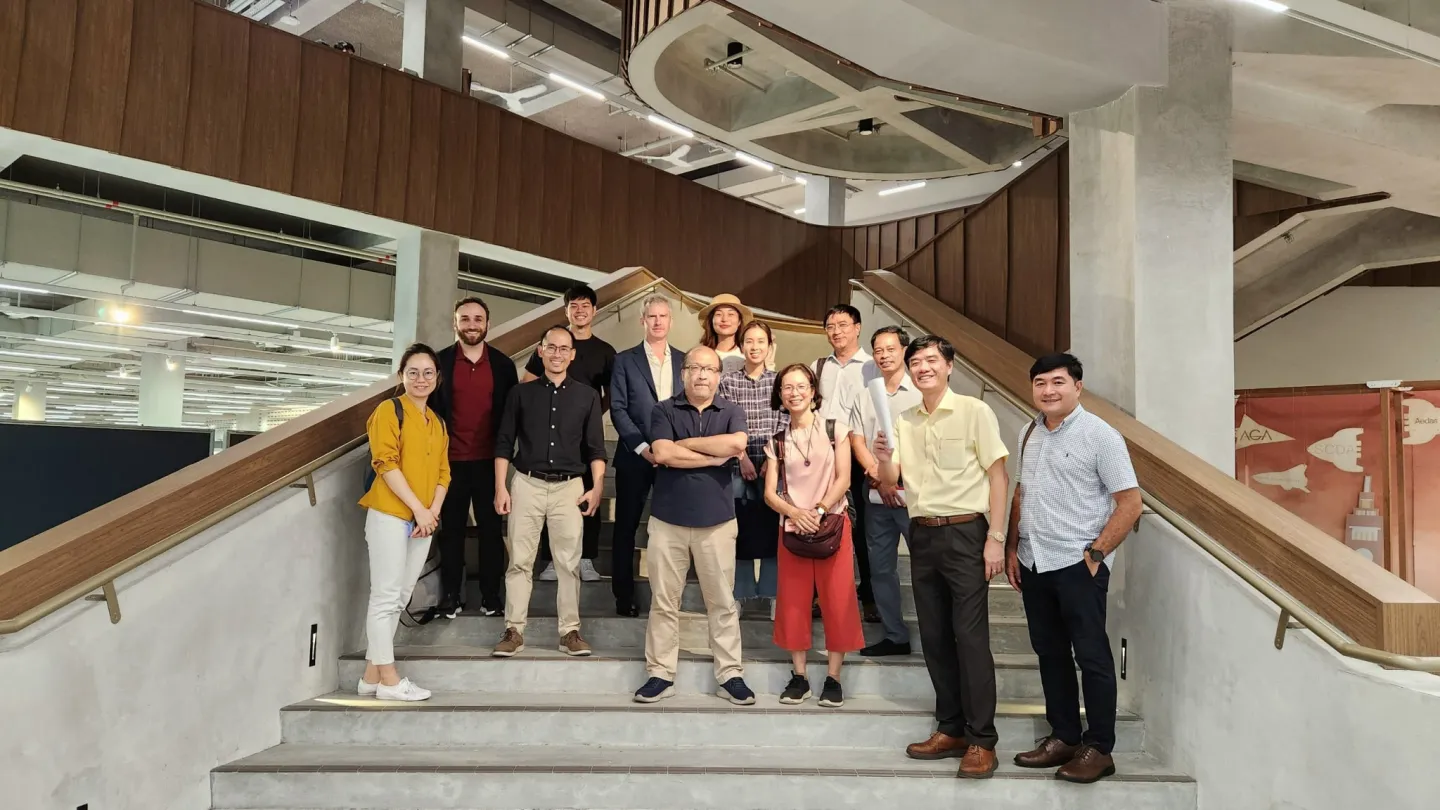
A technical study trip to Singapore was arranged for four sectoral associations and four enterprises to learn best practices in mass timber production. The trip offered valuable insights into new trends and advanced sustainability solutions in the wood sector.
The Productivity Ecosystems for Decent Work programme recognized that each enterprise in the wood sector faces unique challenges. To create an intervention that benefits the entire sector, the project needed a common approach, delivering short-term benefits and long-term strategic improvements. Tangible results are essential to generate interest and motivate enterprises to participate in GHG reduction initiatives. These results can then serve as a reference point for sectoral associations to advocate for broader changes and expand the decarbonisation movement among other small and medium enterprises (SMEs).
Within one year of the intervention, the immediate results are highly promising. In the early 2024, the green transition agenda has become a priority for all four key wood processing associations: BIFA, HAWA, DOWA, and FPA. Three of these associations signed agreements with the ILO productivity project for GHG reduction training, consultancy, and sharing best practices.
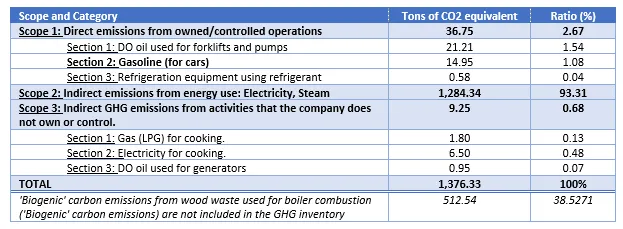
Forestry Products Association in Binh Dinh completed the first GHG inventory pilot at Thanh Tam Wood Furniture company, confirming at least 25 per cent emission reduction potential including:
- already 10 per cent is achievable through low-cost management improvements and greater employee engagement (this can grow up to 25 per cent for smaller enterprises with substantial deficits of management practices); and
- further 15 per cent through renewable energy investments with a 4-year payback. With positive regulatory changes (if electricity generated through renewables can be incorporated back into the grid), the percentage of emission reduction can be expected to grow even more.
This roadmap to net zero has set a foundation for strategic production investments.
Sharing of best practices from the pilot has reached 20 additional member enterprises, generating significant interest. Many of them are now discussing GHG inventory implementation with the experts identified through project partnership. As GHG discussions grow, market-led service providers have started to offer new advisory offerings leading to strengthening of market connections and enhancing GHG consulting services. Through catalytic support of the productivity project more tailored and affordable consulting options are increasingly emerging. Sectoral associations have also indicated a strong interest to upscale enterprise support in this area.
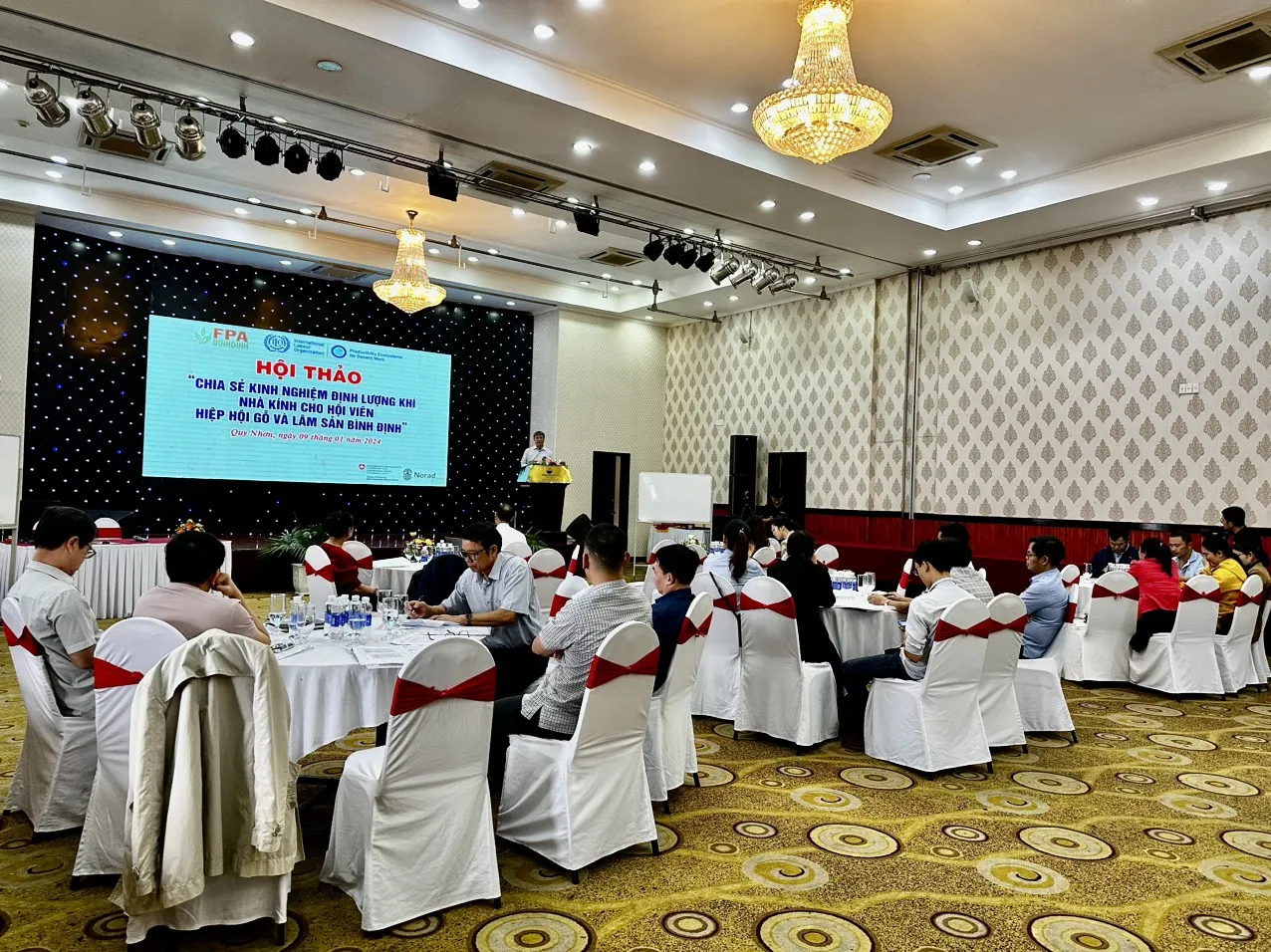
The initial achievements have set a strong foundation for ILO’s Productivity Ecosystems for Decent Work project to advance decarbonisation as a priority for wood sectoral association partners, aiming to benefit over 100 enterprises and reach over 10,000 workers within the sector. These outcomes will provide valuable insights to present to key ministries (Ministry of Industry and Trade - MOIT, Ministry of Natural Resources and Environment - MONRE, Ministry of Agriculture and Rural Development - MARD) in later project phases, facilitating learning from best practices and influencing the design and implementation of net-zero enterprise support programs.
You may also be interested

Productivity Ecosystems for Decent Work Programme Viet Nam

Country portal
Viet Nam
Relevant projects
Productivity
Productivity Ecosystems for Decent Work Project

Productivity ecosystems for decent work
Productivity Ecosystems for Decent Work Programme Ghana