


Productivity ecosystems for decent work
Phase II: Addressing constraints to productivity growth and decent jobs creation in key industrial sectors in Ghana, South Africa and Viet Nam
Duration
1 January 2022 - 31 July 2030
Budget
US$ 36 Million
Development partner(s)
Swiss State Secretariat for Economic Affairs (SECO) and Norwegian Agency for Development Cooperation (Norad)
Reference
GLO/25/37/MUL, GLO/21/16/MUL
Location
Ghana; South Africa; Viet Nam
Contact
Productivity is fundamental to the prosperity of countries, enterprises and workers. It enables economies and businesses to grow, become more competitive and create better jobs. But productivity and decent work need to advance together. Higher productivity can create the space for better wages and working conditions, while decent work can strengthen productivity through better skills, stronger motivation, safer workplaces and improved worker well-being.
The ILO’s Productivity Ecosystems for Decent Work Programme supports countries to pursue these two objectives together. It brings governments, employers’ and workers’ organizations together to identify and address the root causes of low productivity, while promoting decent job creation and a fair sharing of productivity gains.
There is rarely a single reason why productivity is low. Constraints can lie within enterprises, across sectors or in the wider business and policy environment – from skills and management practices to access to markets, technology, infrastructure, institutions and social dialogue. The programme therefore takes an ecosystems approach, looking beyond individual enterprises to understand how these different factors interact and where change can have the greatest impact. Based on this analysis and dialogue among governments, employers and workers, the programme develops practical strategies that combine interventions at enterprise, sector and policy level. The aim is to create lasting improvements in how sectors and their supporting institutions function – strengthening productivity, enterprise development and decent work together.
The global Productivity Ecosystems for Decent Work Programme was launched in 2022 with support from the Governments of Switzerland and Norway, working in Ghana, South Africa and Viet Nam. During its first phase (2022–2026), the programme tested and applied the ecosystems approach across selected sectors in the three countries, working with governments, employers’ and workers’ organizations to address constraints to productivity and decent work. Phase II (2026–2030) builds on the results and lessons from the first phase and continues the programme in Ghana, South Africa and Viet Nam, with support from the Government of Switzerland. The approach is also being applied through dedicated projects in Egypt and Ukraine, adapting it to national priorities and contexts.


News and stories
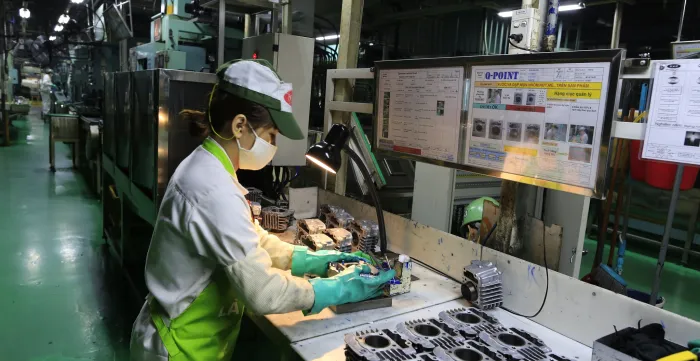
Viet Nam advances enterprise workforce development with new training fund framework

Productivity ecosystems for decent work
Building capacity to drive SME productivity and decent work in Viet Nam
Productivity ecosystems for decent work
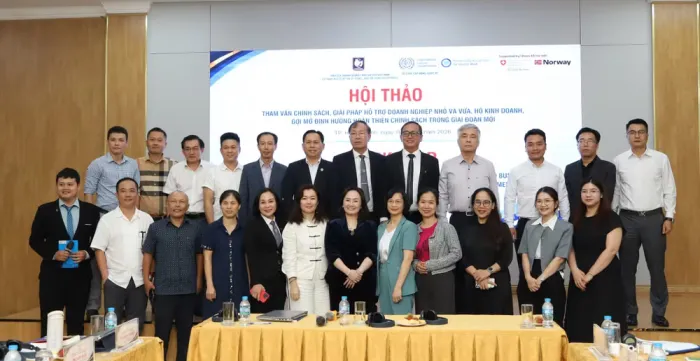
Viet Nam builds momentum for policy reform to strengthen support for SMEs and household businesses
Publications and documents

Applying the ILO’s Productivity Ecosystems for Decent Work Approach: A Practical Guide

Registration of individual businesses in Viet Nam: Drivers, challenges and lessons from international experience
Review of key policies supporting private sector development in Viet Nam
Impact stories

Voices
"Through my business, I see the value of investing in women"

Case study
Women breaking barriers: Nhung rises as consultant in male-dominated manufacturing

Voices
"Formalization is transforming my shea butter business"
Country activities
Understanding productivity and decent work
Follow us
Related projects
Productivity Ecosystems for Decent Work in Egypt: Improving productivity and strengthening working conditions in key industrial sectors
Productivity ecosystems for Decent Work in Ukraine
More information

Topic portal
Productivity and decent work
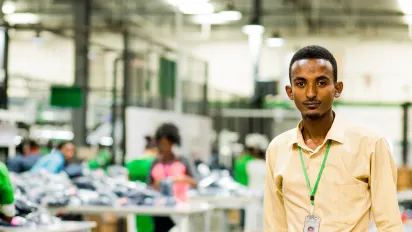
Productivity ecosystems for decent work approach

ILO Employment Policy, Job Creation and Livelihoods Department

Sustaining Competitive and Responsible Enterprises (SCORE) Programme