

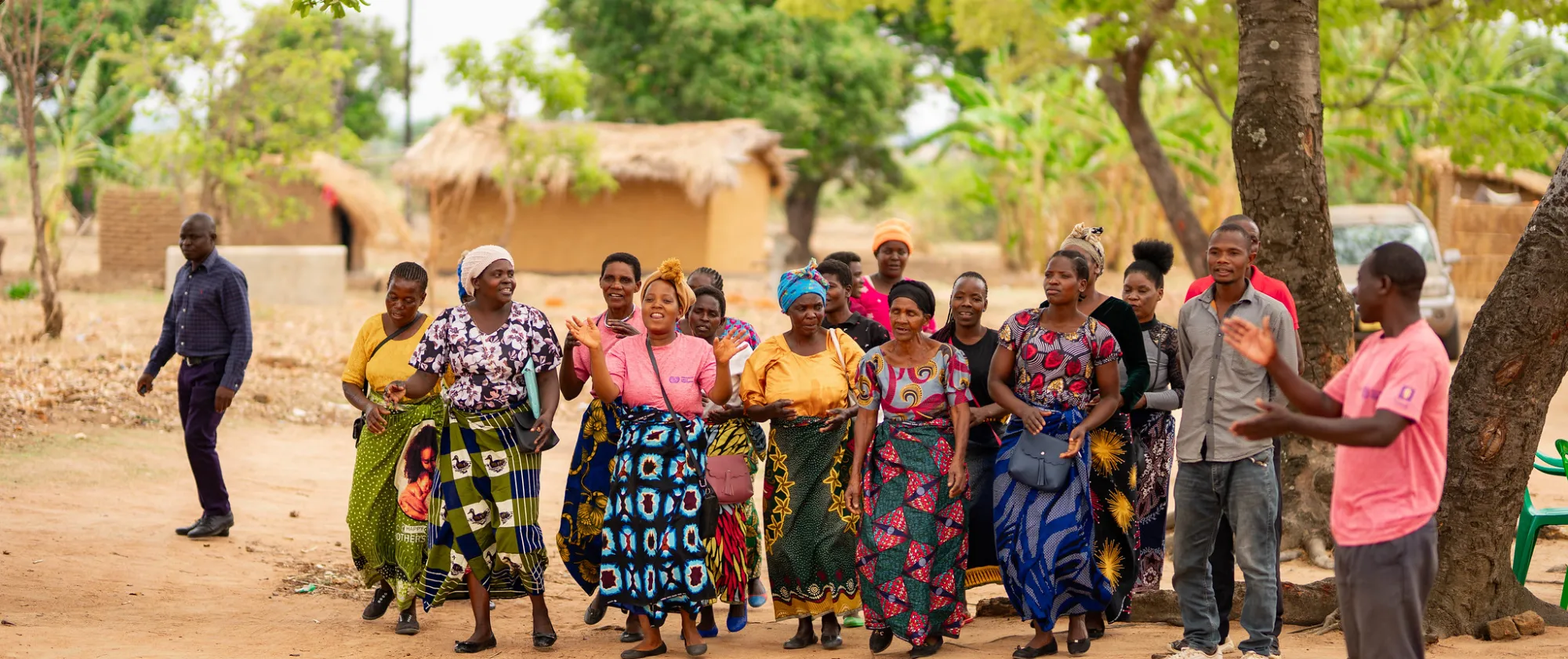
Knowledge sharing forum: Innovative solutions to reduce child labour and forced labour in Africa
The 2020 Global Estimates of Child Labour indicate that, for the first time in 20 years, the absolute number of children in child labour has risen from 152 million in 2016 to 160 million in 2020. The number of children in child labour has risen to 92 million in Africa – an increase of 20 million children in the last four years. Based on these estimates, one out of every five African children are in child labour. More than 80% of child labour is happening in agriculture, mainly within families. These figures do not include the impact of the COVID-19 pandemic, which has likely further worsened the situation of child labour in many countries across the region.
There are 27.6 million people in situations of forced labour globally on any given day, with 3.8 million from Africa according to the 2021 Global Estimates of Modern Slavery. Women and girls make up 11.8 million of the total in forced labour. More than 3.3 million of all those in forced labour are children. Forced labour in private enterprises forms a large part of the population. For Africa, the report highlights forced labour issues linked to fishing, migration, debt bondage, trafficking and the worst forms of child labour.
Under this backdrop, this event seeks to catalyse a strong, collaborative response to these challenges. It aims to convene experts, policymakers, international agencies, and community stakeholders to foster a shared understanding of the complexities of child and forced labour in Africa. By highlighting innovative strategies, sharing best practices, and forging effective partnerships, we aspire to provide inputs to regional/national action plans that addresses both the symptoms and root causes of these issues, making significant strides towards eradicating child and forced labour in Africa.
In the spirit of international collaboration and knowledge exchange, this forum aims to create a dynamic platform where tripartite constituents, advocates, experts, etc convene to share, learn, and strategize together how to accelerate actions on child and forced labour. The event will draw inspiration from replicable good practices taken from African region, supported by ACCEL Africa, the 8.7 Accelerator Lab and other projects.
Embracing the power of collaboration and intra-African partnership creation, the discussions at this forum will not only fuel political will and boost advocacy but also develop and strengthen partnerships. By addressing the critical challenges and sharing innovative solutions, the event is expected to re-initiate a wave of positive change, and collaboration among nations facing similar challenges.
Our focus on innovation
Innovation will be a cornerstone of this event, acting as the catalyst for pioneering solutions in the fight against child and forced labour in Africa. Recognizing the complex and multifaceted nature of these issues, the forum will facilitate a unique environment where creativity and forward-thinking are not only encouraged but essential. This will be achieved through a series of interactive workshops, panel discussions, and brainstorming sessions focused on harnessing unconventional strategies to address and mitigate the roots of forced labour and child labour.
Objectives
- Develop a shared understanding among global and regional stakeholders about the complexities of child and forced labour in Africa and the role of innovation and knowledge sharing to advance on the elimination of these issues.
- Highlight and share innovative strategies, best practices, and effective partnerships from different countries and sectors.
- Establish a dynamic environment for international collaboration and knowledge sharing, where experts, policymakers, and affected individuals can exchange insights and learn from each other.
- Incubate new policy ideas and operational strategies, inviting participants to contribute fresh perspectives and approaches, ensuring solutions are both innovative and practical.
- Prioritize the voices and experiences of survivors and community representatives to ensure that solutions are culturally sensitive, contextually relevant, and grounded in real-life experiences.
- Build strong partnerships across various supply chains involved in ACCEL Africa and the Accelerator Lab
- Establish a regional knowledge-sharing network to enhance multi-sectoral collaborations and partnerships, fostering a strong, united front across nations against child and forced labour.
Expected Outcome
The primary expected outcome is to foster a united approach against child and forced labour by highlighting innovative, practical solutions that are relevant and effective in the African context towards the development of solid intra-African South-South Partnerships to combat child labour and forced labour.
Review the forum's agenda here
Agenda and logistical information : Innovative solutions to reduce child labour and forced labour in Africa
ACCEL Africa Good Practices
Reopening community skills development centres in Nigeria
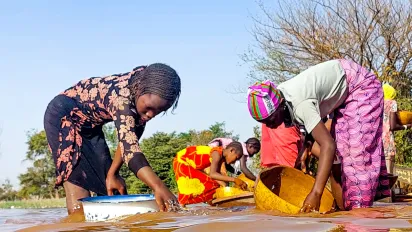
Guidance document
Developing and regularising cooperatives in Mali’s artisanal gold mining sector
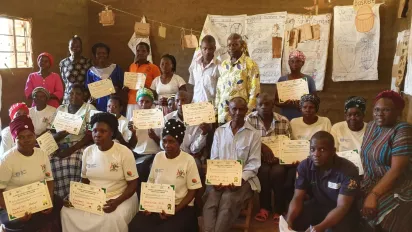
Using village savings and loan associations (VSLAs) as a transformative approach to community mobilisation and the eradication of child...
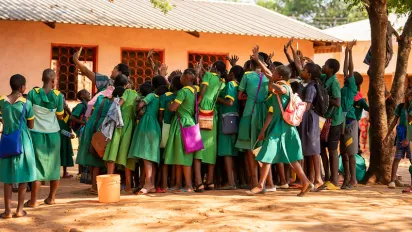
Promoting the unionisation of workers in Malawi’s informal tea sector
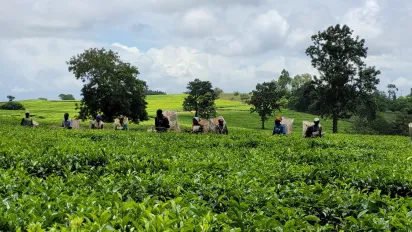
Revising and strengthening the gender policy of the Tea Association of Malawi (TAML)
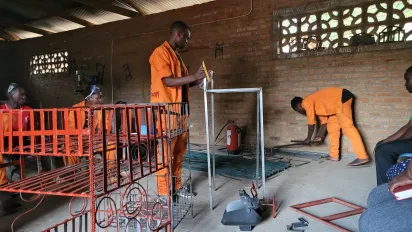
Promoting vocational skills development in Malawi’s informal tea sector

Supporting Child Rights through Education, Arts, and Media (SCREAM) implementation in Egypt
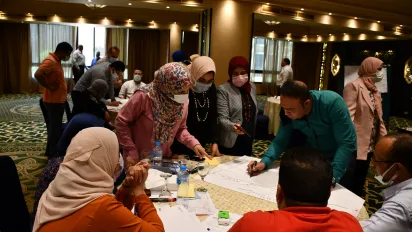
Update of the Egyptian hazardous worklist - prohibited for children - under Ministerial Decree 215 for 2021
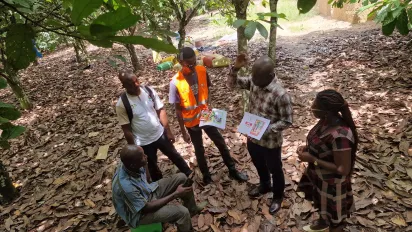
Strategic compliance planning to strengthen labour inspectorates in Madagascar and Cote d'Ivoire
Our development partners:

Follow our event live using the hashtags: #SayNoToChildLabour #EndForcedLabour