

Update of the Egyptian hazardous worklist - prohibited for children - under Ministerial Decree 215 for 2021
In Egypt, the need to update the outdated Hazardous Worklist, established under Ministerial Decree No. 118 of 2003, became a significant focus in the battle against the worst forms of child labour. This worklist, crucial for protecting children from hazardous occupations and professions during training and employment, had failed to keep pace with the evolving nature of industries, the emergence of new occupational hazards, and changes in work practices. Addressing this gap, the ILO ACCEL Africa project, in partnership with the Ministry of Labor (MOL), set out to revise the decree to reflect current workplace realities and align with international labour standards, particularly ILO Convention no. 182 for 1999 concerning Prohibition of Worst Forms of Child Labour and to contribute to the implementation of the Nation Action Plan to Combat Worst Forms of Child Labour and Support Families (2018-2025) launched by the Government of Egypt with the support of ILO and lead by MOL.
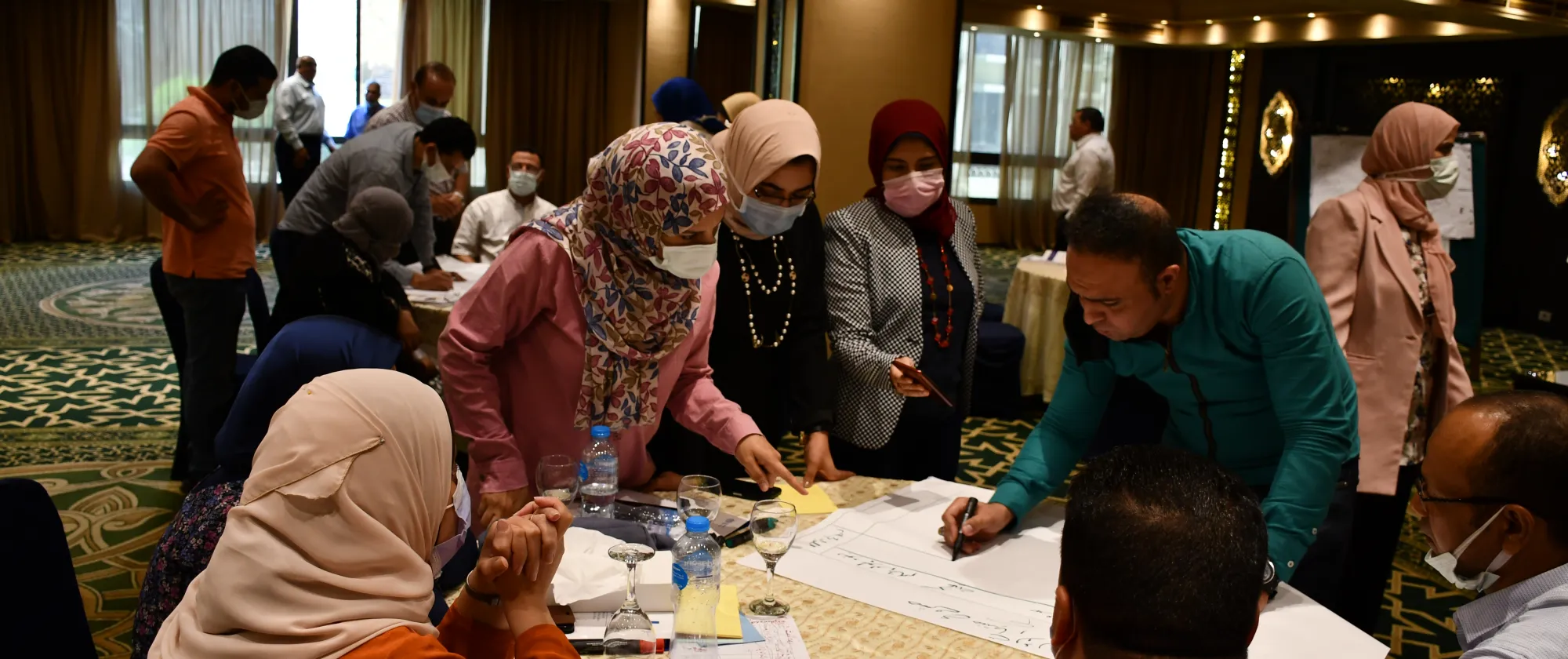
The project coordinated with MOL to implement the International Labour Organization's (ILO) step-by-step guide to updating the worklist, which included creating an operational structure, gathering both existing and new information, and preparing a revised list of hazardous work prohibited for children under 18 with tripartite consultation across all the steps including revising and validation process. This process not only involved formalizing and officially publishing the list but also ensured broad stakeholder involvement through a tripartite representation involving MOL, Occupational Safety and Health (OSH), legislative national experts, and ILO specialists. This collaborative approach allowed for a unique and important opportunity for tripartite social dialogue, launching a nationally owned process for comprehensively addressing child labour issues.