

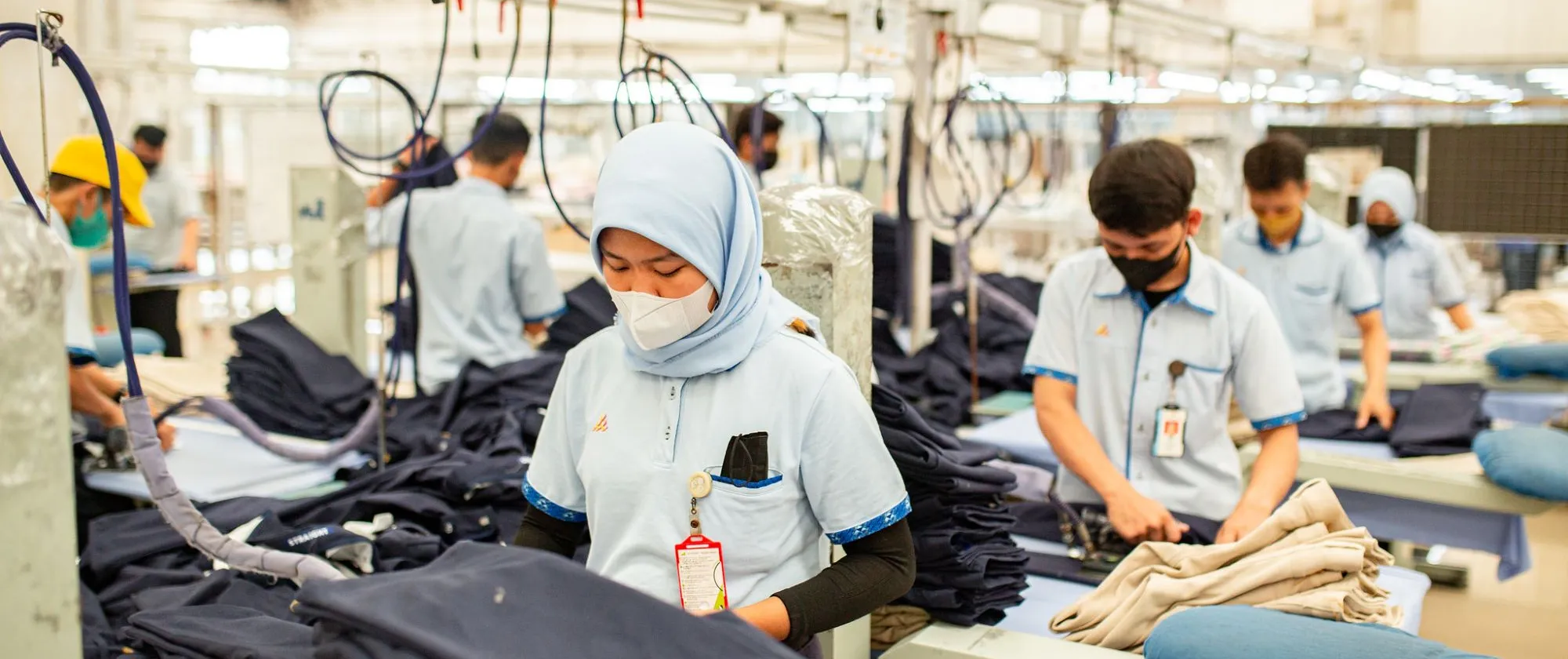
Strengthening Industrial Relations in Indonesia Project
The programme builds the capacity of garment sector workers and their representatives to effectively organize and represent all workers in Indonesia’s garment sector and participate more actively and inclusively in key national policy advocacy.
Duration
1 March 2022 - 30 April 2025
Development partner(s)
The Labour Program of Employment and Social Development Canada (Labour-ESDC)
Reference
IDN/22/01/CAN
Location
National
Contact
Nurus Mufidah, Project Manager
Project will address those challenges by focusing on Indonesia’s garment export sector where the ILO has a longstanding presence and programme – the ILO Better Work Indonesia programme. As one of the most “scrutinized” sectors in the country for compliance with labour laws and international labour standards and with unionization rates higher than the national level, the garment sector remains an interesting entry point for change and “ripple effect”.
This project is part of an overall strategy by the ILO to strengthen industrial relations in Indonesia. It aims to achieve this by supporting trade unions in professionalizing and upgrading their operational, technical and policy engagement capacity, at both the federation, branch and workplace level.
Objectives
The project aims to strengthen and revitalize Indonesian’s garment unions at a time when economic hardship and future of work challenges are high. Indonesia needs strong unions and worker representatives that can effectively work and partner with employers and the government to address the issues affecting its labour force. Only with stronger and more harmonious and balanced industrial relations can Indonesia achieve its goals and grow at the levels that are required to bring the country back on track post the Covid-19 pandemic.
This project aims, therefore, to tackle some of the most pressing challenges affecting workers and their organizations today, including:
- Declining membership and deficiencies and gaps in garment trade union’s internal systems for data and members’ management and outreach;
- Lack of women leadership in trade unions and gender inclusive policies and practices at the trade union organizational structure level;
- Lack of capacity and effective coordination for policy advocacy, declining bargaining power and difficulties in being recognized as a viable partner to government and employers in addressing issues affecting the garment sector and industrial policy in general;
- Lack of knowledge by garment workers of their rights in general and in particular about the Job Creation Law No. 11 of 2020; and
- Lack of skills in organising and engaging in workplace cooperation, particularly by those unions and workers’ representatives (including unaffiliated trade unions) that have had less access to support and training.
Key outcomes and expected impact
Outcome 1: By 2025, the capacity of trade unions in the garment sector to operate and connect, recruit and retain members, and elect women leaders, is enhanced.
Outcome 2: The capacity of trade unions in the garment sector to engage in inclusive and gender-responsive policy analysis and dialogue is improved.
Outcome 3: By 2025, the capacity of workers and their representatives, at the factory level, to know their rights and engage in organizing and workplace cooperation is improved.
The project shall contribute to strengthening the trade unions in the garment sector by increasing representation and supporting their unions in policy advocacy. In addition to that, the project should lead to more women’s participation and leaderships in the trade union while at the same time fostering policy proposals that address gender inequality specific issues.
Beneficiaries
Direct beneficiaries: Garment women workers and their representatives at the factory, branch and federation levels.
Indirect beneficiaries: All other garment workers, unionised or not, that may benefit from a better standing and bargaining position by garment trade unions in the country.
--- Click here to see the highlights of the key achievements of the Project.
Related content
Gender equality
Enhancing gender equality within Indonesian trade union organizations with Participatory Gender Audit

Women leadership
From a stay-at-home mother to a trade union leader
Womens' empowerment
ILO supports the development of women trade union leaders in garment industry
ILO study recommends digitizing the unions’ grievance tools and case management system for effective advocacy and policy reform
Women Leadership Training: Strengthening Leadership Skill for Women Officials in Trade Unions
Project brief (2022): Strengthening Industrial Relations in Indonesia Project
Better Work Programme in Indonesia - Phase V
Event
Closing the Strengthening Industrial Relations in Indonesia (SIRI) Project
Press release
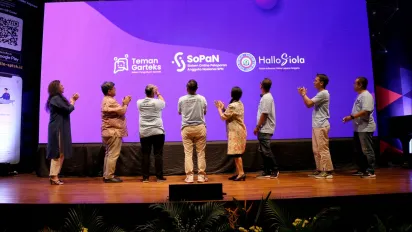
ILO and three trade union federations on garment sector launch grievance applications for Indonesian garment workers
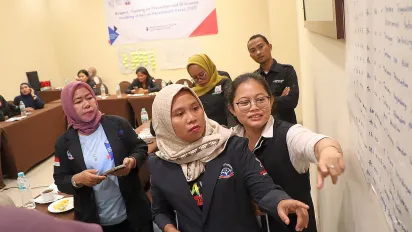
Two union federations empower their grievance personnels to effectively handle sexual harassment cases
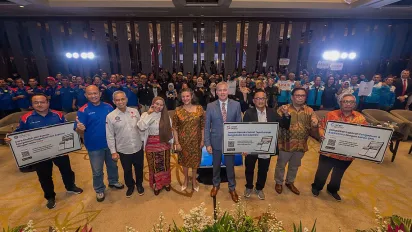
ILO hands over grievance applications to garment union federations
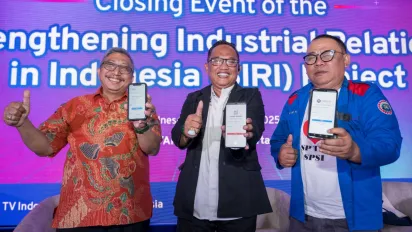
Three federations pledge to sustain grievance applications in garment sector
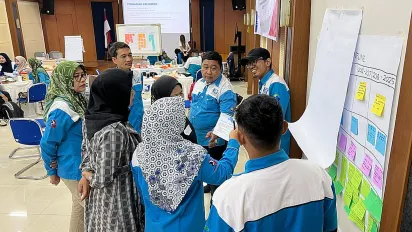
ILO Participatory Gender Audit for trade union concludes recommended actions

The ILO enhances trade unions' knowledge and compliance with labour laws in Indonesia
Study on the impact of employment cluster regulation in the Job Creation Law on workers with fixed-term employment contracts in the garment...