

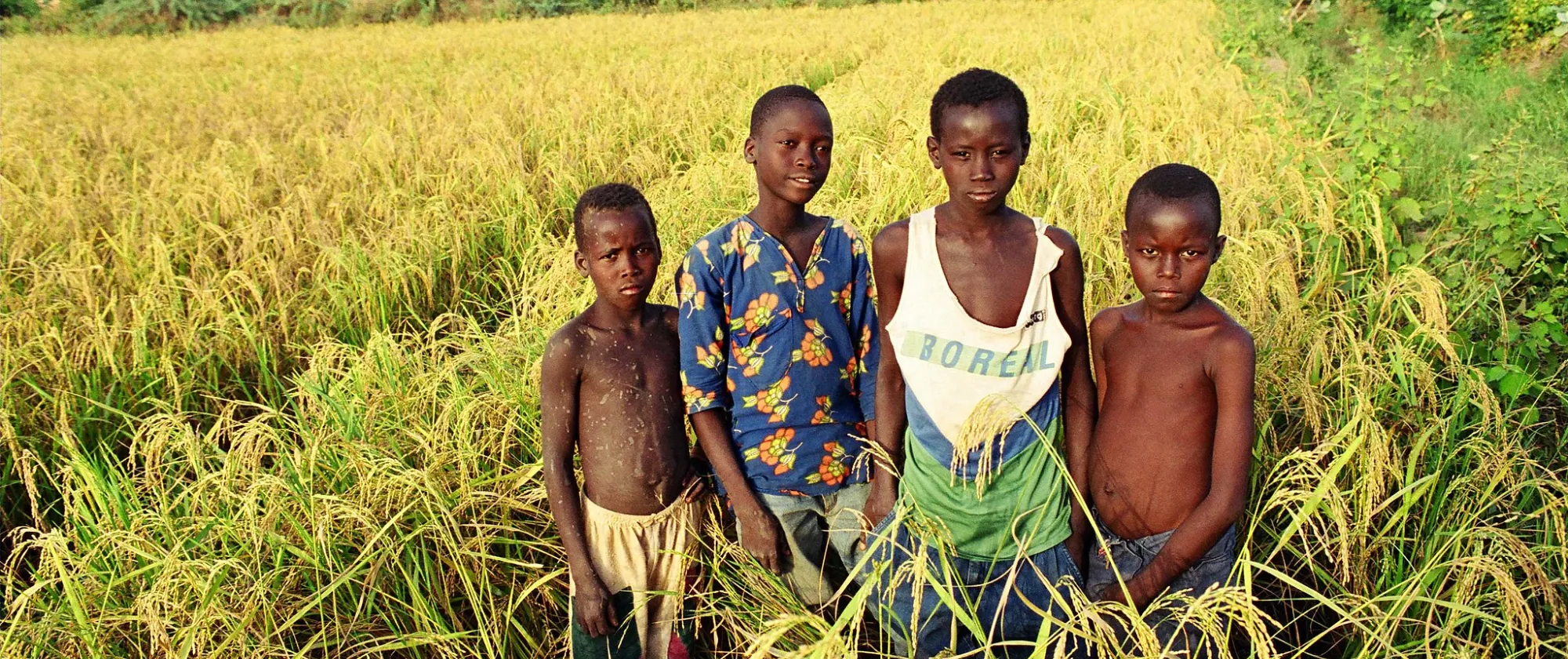
Child labour in agriculture
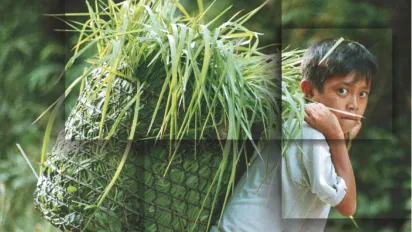
Child labour remains predominantly an agricultural issue. According to the latest global estimates, 61 percent of all children in child labour aged 5–17 years work in agriculture, including farming, fishing, aquaculture, forestry, and livestock. This represents the largest share of child labour across all sectors. Agriculture is also the most common sector for hazardous work, with the majority of the 54 million children in hazardous work engaged in agricultural activities.
Children in agriculture often begin working at a very young age, sometimes as early as 5 years old. A significant proportion (67.5 percent) of children in child labour are unpaid family workers, and this share is even higher in agriculture. The sector is one of the three most dangerous in terms of work-related fatalities, non-fatal accidents, and occupational diseases, posing serious risks to children’s health, safety, and development.
Poverty is a key driver of child labour in agriculture, alongside limited access to quality education, inadequate agricultural technologies, labour shortages, hazardous working conditions, and traditional norms regarding children’s roles in rural livelihoods. In family farming, small-scale fisheries, and livestock production, children often participate in work from an early age.
While some age-appropriate, non-hazardous tasks can support children’s development and contribute to food security and skill transfer, it is essential to distinguish these from child labour. Child labour refers to work that is harmful to a child’s health, safety, or development, or that interferes with schooling. This determination depends on the child’s age, the nature and duration of the tasks, and the risks involved.
Training material
SCREAM - A special module on child labour in agriculture

Training manual
Eliminating hazardous child labour and occupational safety, health and environmental risks: A manual for agents of change in cocoa...
Good practices
Compendium of good practices on addressing child labour in agriculture
Joint ILO / FAO publication
Guidance on addressing child labour in fisheries and aquaculture
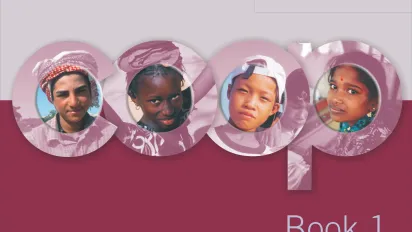
Training resource pack for agricultural cooperatives on the elimination of hazardous child labour

Resource guide
Child labour book series: Corporate social responsibility for farmers
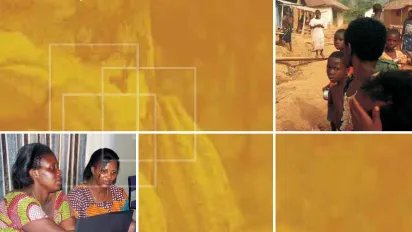
Rooting out child labour from cocoa farms
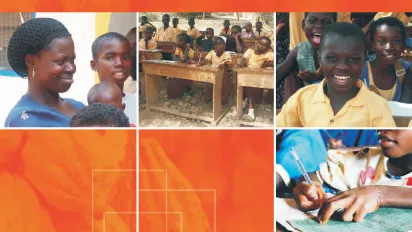
Training manual
Rooting out child labour from cocoa farms - A Manual for training education practitioners: Ghana
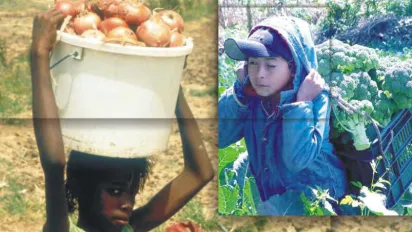
Training guide
Tackling hazardous child labour in agriculture: Guidance on policy and practice - Toolkit
Training resource
Training resource pack on the elimination of hazardous child labour in agriculture
Statistical reports
Statistical Report
Rapid Assessment on Child Labour in Agriculture in the Republic of Serbia
Statistical Report
Rapid Assessment on Child Labour in Agriculture in the Republic of Serbia
Statistical report
Rapid assessment on child labour in the sugarcane sector in selected areas in Cambodia: A comparative analysis
Statistical report
Rapid assessment of child labour in the agricultural sector in Central and North East Districts of Botswana
Statistical report
Rapid Assessment of Alternative or Additional Livelihood for Cocoa Farmers in the Western Region of Ghana
Statistical report
Child labour in tobacco and cotton growing in Kazakhstan: Rapid assessment report
Girl child labour studies, vol.1 - Statistical report
Girl child labour in agriculture, domestic work and sexual exploitation: Rapid assessments on the cases of the Philippines, Ghana and...
Investigating the Worst Forms of Child Labour No. 9
Tanzania: Child labour in commercial agriculture (tobacco) - A rapid assessment (IWFCL No. 9)
Investigating the Worst Forms of Child Labour No. 13
Tanzania: Children working in commercial agriculture (coffee) - A rapid assessment (IWFCL No. 13)
Investigating the Worst Forms of Child Labour No. 17
Lebanon: Child labour on tobacco plantations - A rapid assessment (IWFCL No. 17)
Investigating the Worst Forms of Child Labour No. 10
Tanzania: Child labour in the horticulture sector in Arumeru District - A rapid assessment (IWFCL No. 10)
Investigating the Worst Forms of Child Labour No. 11
Tanzania: Children working in commercial agriculture (tea) - A rapid assessment (IWFCL No. 11)
Investigating the Worst Forms of Child Labour No. 36
Bolivia: Child labour in sugarcane - A rapid assessment (Executive summary)
El Salvador - Child labour in sugarcane: A rapid assessment, executive summary (IWFCL, no 27)
Investigating the Worst Forms of Child Labour No. 35
Ecuador: Child labour in flower plantations (Executive summary)
Reports
Joint ILO / FAO publication
Policy guidance on the elimination of child labour in fisheries and aquaculture
2021 Third-party monitoring of child labour and forced labour during the cotton harvest in Uzbekistan
2020 Third-party monitoring of child labour and forced labour during the cotton harvest in Uzbekistan
2019 Third-party monitoring of child labour and forced labour during the cotton harvest in Uzbekistan
2018 Third-party monitoring of child labour and forced labour during the cotton harvest in Uzbekistan
Child labour and forced labour
2017 Third-party monitoring of measures against child labour and forced labour during the cotton harvest in Uzbekistan
SCREAM - A special module on child labour in agriculture
Good practices
Compendium of good practices on addressing child labour in agriculture
Guidance on addressing child labour in fisheries and aquaculture
Statistical publications
Statistical Report
Rapid Assessment on Child Labour in Agriculture in the Republic of Serbia

Statistical report
Rapid assessment on child labour in the sugarcane sector in selected areas in Cambodia: A comparative analysis

Forced labour of adults and children in the agriculture sector of Nepal focusing on Haruwa-Charuwa in Eastern Tarai and Haliya in...
Related content

Topic portal
Child Labour