


ILO Bureau for Employers' Activities (ACT/EMP) - Area of work
Crisis and resilience
Situations of conflict, natural disaster and other unexpected adversities such as pandemics and cyberattacks not only disrupt the fabric of our societies, they also severely impact businesses, especially small and medium-sized enterprises. Additionally, many enterprises operate in complex, multi-hazard environments that undermine their performance and reverse growth trajectories. A stable, predictable and enabling environment are a requirement for maintaining an income and for the conduct of business. Therefore, the private sector has a vested interest in stability and can play a critical role in rebuilding resilient economies and societies in face of crises situations.
Employer and business membership organizations (EBMOs) have unique convening power, representational functions and service structures that position them to support the business community in better preparing for, mitigating, responding to and recovering from crises. The ILO Bureau for Employers’ Activities (ACT/EMP) assists EBMOs in navigating the complexities of crises by developing knowledge products, enterprise training, including on business continuity, and policy tools to promote business resilience.
Sustainable and resilient enterprises training programme
The Sustainable and Resilient Enterprises (SURE) training programme has been developed for SMEs who seek to strengthen their resilience in the face of complex and compound natural, bio-environmental, techno-industrial and socio-political hazards.
News and events
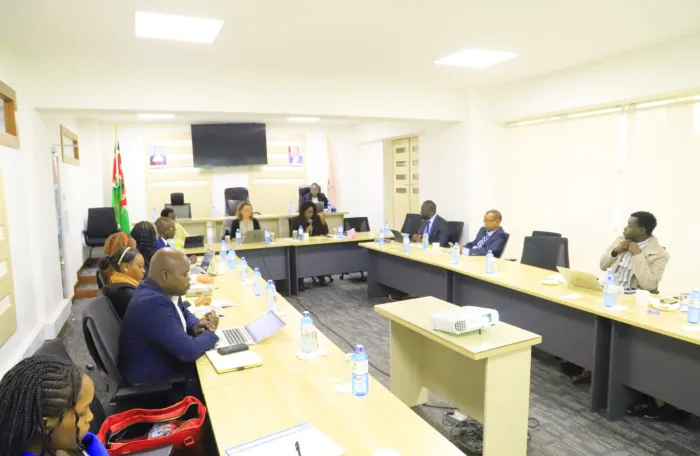
Kenyan employers step forward to support refugee inclusion under the Shirika Plan

Federation of Kenya Employers training of trainers on conflict resolution, mediation and refugee inclusion
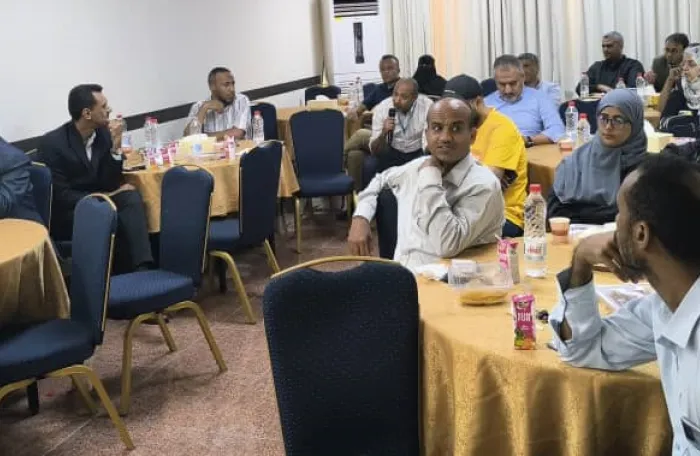
Chamber of Commerce of Aden and ILO join efforts for humanitarian relief and economic recovery
Global publications

Forced displacement, social cohesion and workplace inclusivity through employer action. The use of conflict drivers and stakeholder maps

Resilience in conflict situations: A toolkit for employer and business membership organizations and enterprises

Refugee crisis
The role of employer and business membership organizations in promoting the labour market integration of refugees

Natural disaster; conflict
Managing Conflicts and Disasters: Exploring Collaboration between Employers’ and Workers’ Organizations

COVID-19
How the COVID-19 pandemic is changing business: A Literature Review

COVID-19
A global survey of enterprises: Managing the business disruptions of COVID-19
COVID- 19
Enterprise survey tool: Assessing training needs resulting from COVID-19

COVID- 19
A global survey of employer and business membership organizations: Inside impacts and responses to COVID-19

COVID- 19
An employers’ guide on working from home in response to the outbreak of COVID-19

COVID- 19
Safe return to work: Guide for employers on COVID-19 prevention

COVID-19
The six-step COVID-19 business continuity plan

COVID- 19
Enterprise survey tool: Assessing the needs of enterprises resulting from COVID-19

COVID- 19
COVID-19 Employers and business membership organizations (EBMOs) public statement template

COVID- 19
An employer's guide on managing your workplace during COVID-19

Conflict
Overview of ACT/EMP's work in conflict-affected zones
Natural disaster
Overview of ACT/EMP's work in disaster risk reduction
Regional or country publications

Business continuity
Perspectives on business resilience in Trinidad and Tobago: A research report

Conflict
The role of business in South Africa's transition to democracy

Conflict
The Role of Social Partners in the Nepal Peace Process

Natural disaster
Disaster risk reduction and disaster management in Myanmar: The roles of employer and business membership organizations

Conflict
Business and Peace in Sri Lanka: The roles of employer and business membership organizations
Conflict
Enterprise creation, employment and decent work for peace and resilience: The role of employer and business membership organizations in Asia
Conflict
Multinational enterprise investment in conflict-affected zones in South-East Asia

Natural disaster
Needs assessment for the private sector in the Philippines: Disaster preparedness, response and recovery