Institutional capacity building
Building cohesion through dialogue: training-of trainers on conflict resolution, mediation and refugee inclusion for the Federation of Kenya Employers
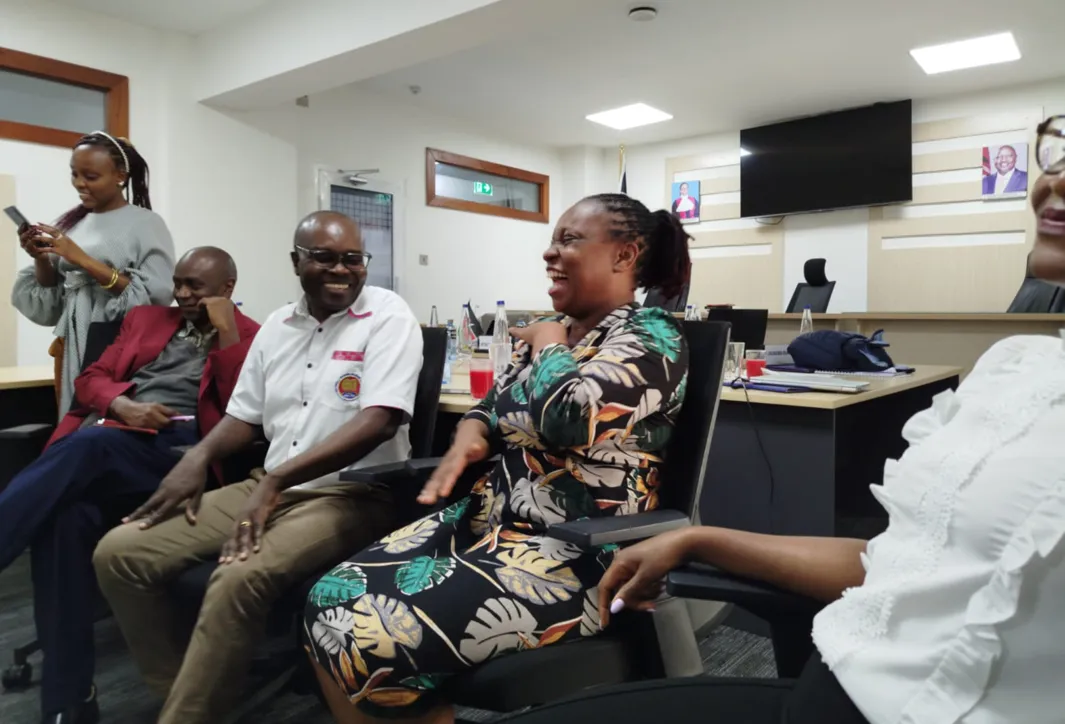
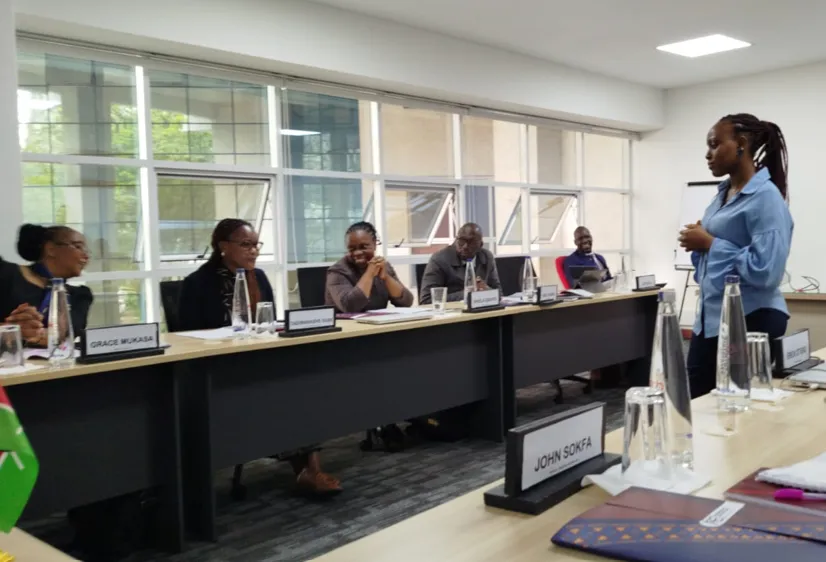
The ILO in partnership with the Centre for Mediation in Africa (CMA) conducted a Training-of-Trainers workshop with the Federation of Kenya Employers (FKE) in Nairobi from 17 to 18 November 2025. The workshop focused on strengthening skills in conflict resolution, mediation and refugee inclusion, which are areas that have become increasingly important for employers as Kenya advances the implementation of the Shirika Plan.
20 November 2025
NAIROBI, Kenya (ILO news). For decades, Kenya has hosted people fleeing conflict and instability across the region. Today, the country continues to shoulder the responsibilities of refugee protection while navigating complex social, economic and workplace dynamics. As refugees gradually transition from encampment to inclusion under the Shirika Plan, the ability to manage conflict constructively and cultivate trust between host communities and refugees is essential. This shift requires facilitators who are not only technically skilled but also sensitive to the realities of diverse workplaces and communities.
FKE’s expanding role in social dialogue and workplace mediation
As the national umbrella organization for employers and a leading advocate for Kenya’s private sector, FKE occupies a central role in promoting inclusive labour market policies and advancing social dialogue. With a membership representing more than 71 per cent of the formal private sector, FKE is uniquely positioned to support enterprises as they adapt to new social and economic demands.
The organization’s ongoing initiative to establish a Mediation Centre underscores its commitment to addressing workplace disputes through constructive, interest-based approaches. The centre aims to promote restorative and transformative workplace culture, which is an ambition that aligns closely with the skills and knowledge provided through the Training-of-Trainers workshop.
Strengthening EBMO leadership in times of change
Employer and Business Membership Organizations (EBMOs) play a vital role in fostering social cohesion, good governance, and stability. Globally, EBMOs and workers’ organizations have been instrumental in strengthening the rule of law, promoting peaceful labour relations, and contributing to inclusive economic growth. Their role becomes even more significant in times of disruption, including natural disasters, social unrest, and contexts involving forcibly displaced persons.
In Kenya, FKE is at the forefront of these efforts. By preparing its staff to deliver training on conflict resolution and refugee inclusion, FKE is helping create the conditions for more cohesive, stable, and productive workplace – an important foundation for Kenya’s transition toward a more inclusive refugee policy.
A tailored curriculum for Kenya’s context
The curriculum delivered during the workshop was adapted by FKE to reflect the specific challenges and opportunities present in the Kenya context. It included:
- Conflict analysis using ILO-developed conflict driver and stakeholder maps in relation to refugee integration in Kenya;
- Core mediation and conciliation skills to support peaceful workplace dispute resolution;
- Facilitation of experiential workplace simulations drawn from real-life contexts; and
- Techniques for leading workplace dialogues processes that prevent conflict and promote inclusive, sustainable solutions.
While these skills are valuable across a wide range of workplace situations, this workshop placed particular emphasis on supporting refugee inclusion efforts aligned with the Shirika Plan.
From training to practice
Following the two-day workshop, the newly trained FKE facilitators successfully delivered a three-day training session to 30 representatives from member organizations. With continued coaching from CMA, the facilitators demonstrated strong command of the material and an ability to contextualize conflict and mediation practices for Kenya’s evolving labour market environment.
Their work represents a promising step toward expanding the availability of quality training in mediation and conflict transformation across the country.
Looking ahead
FKE’s forthcoming Mediation Centre is expected to become a key resource for employers, HR professionals, accredited mediators, and senior leaders. The centre will offer dispute resolution services as well as advanced training in workplace mediation, helping organizations navigate change and prevent conflict escalation.
These services are especially timely as Kenya moves toward deeper integration of refugees into society and the labour market. Workplaces will increasingly become spaces where diversity, inclusion, and cooperation are essential—not only for social cohesion but also for enterprise performance and economic resilience.