Employers’ and business membership organizations
Chamber of Commerce of Aden and ILO join efforts for humanitarian relief and economic recovery
The ILO is building the institutional capacity of employers’ organizations like the Aden Chamber and Yemeni Chambers of Commerce and Agriculture (FYCCI), enabling them to lead dialogue, advocate for business interests, and drive inclusive recovery efforts in Yemen.
14 December 2025

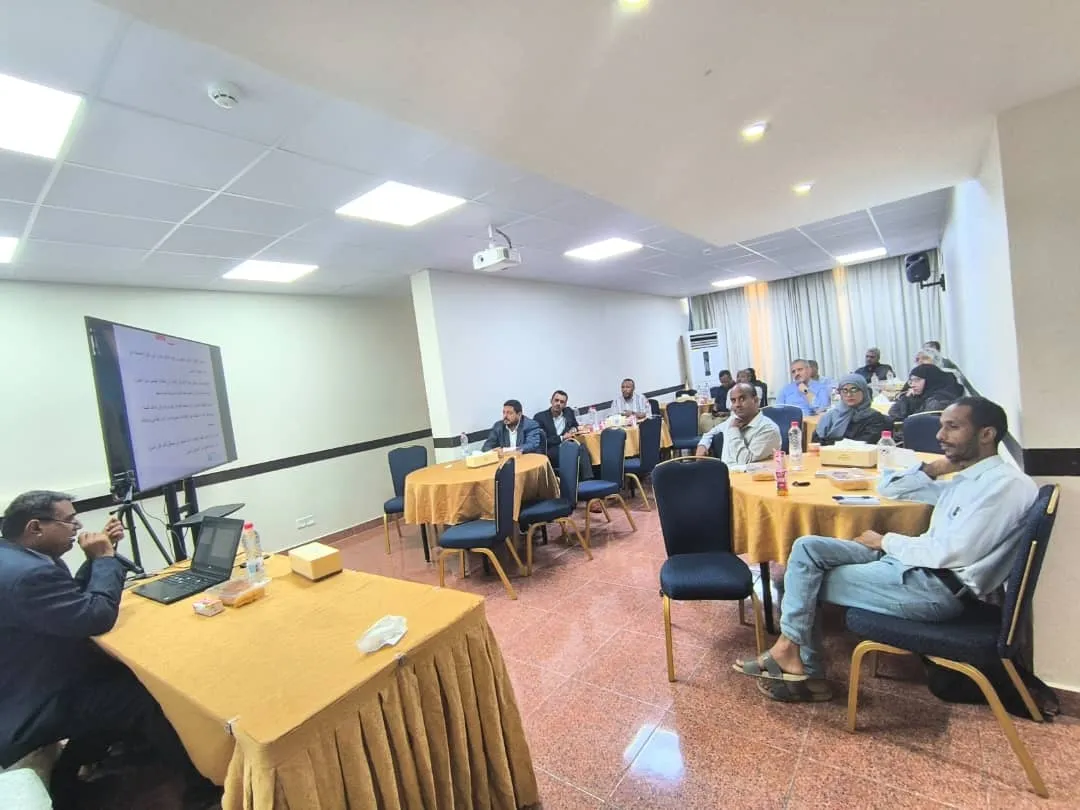
Aden, Yemen (ILO News) – The Aden Chamber of Commerce, in partnership with the International Labour Organization (ILO) and its Bureau for Employers’ Activities (ACT/EMP), convened a high-level workshop to strengthen the role of the private sector in Yemen’s humanitarian relief and economic recovery. This initiative reflects ILO’s commitment to building institutional capacities that enable employers’ organizations to actively contribute to resilience and development in crisis contexts.
The event brought together 24 participants, including representatives from United Nations agencies, international donors, government institutions such as the Ministry of Planning and International Cooperation (MoPIC), financial institutions, local enterprises, and civil society organizations. This inclusive dialogue underscored the need for coordinated action to leverage private sector resources and expertise in rebuilding Yemen’s economy.
ILO’s Role in Empowering Employers’ Organizations
Through ACT/EMP, the ILO has been working closely with the Aden Chamber of Commerce and the Federation of Yemeni Chambers of Commerce and Agriculture (FYCCI) to enhance their institutional capacity. This support enables these organizations to represent business interests effectively, facilitate public-private dialogue, and promote evidence-based advocacy. By strengthening governance structures, modernizing services, and fostering entrepreneurship—particularly for women and youth—the ILO helps position employers’ organizations as key actors in Yemen’s recovery.
Key Findings and Recommendations
The workshop featured the presentation of a recent study on private sector engagement in humanitarian and economic efforts. Findings confirm that businesses have played a critical role in sustaining employment, maintaining supply chains, and supporting community resilience amid prolonged crisis. Participants agreed on the urgency of translating these insights into actionable strategies, highlighting five priority areas:
- Public-Private Partnerships for Sustainable Development: Successful models, such as Hayel Saeed Anam Group’s Economic Development Initiative, demonstrate how structured partnerships can shift from short-term relief to long-term resilience, investing in food security, renewable energy, and community development.
- Promoting Local Procurement and Supply Chain Integration: Over 60% of Yemeni enterprises source most inputs locally, reducing dependency on imports and fostering economic self-reliance.
- Campaign for Local Products: FYCCI’s “My Identity is Yemeni… My Product is National” campaign promotes local goods, enhances competitiveness, and supports domestic markets.
- Skills Development for Youth and Women: Linking vocational training with employment opportunities in sectors like agrifood and renewable energy equips vulnerable groups with practical skills for inclusive economic participation.
- Strengthening Institutional Roles: Chambers of commerce are vital in coordinating recovery strategies, advocating for business interests, and supporting entrepreneurship.
A Shared Responsibility for Resilience
The workshop reaffirmed that humanitarian efforts must be a shared responsibility. Businesses, donors, government, and civil society must work together to reduce aid dependency and build sustainable economic systems. By empowering employers’ organizations, the ILO ensures that the private sector remains a driving force for recovery and inclusive development in Yemen.