

Kenyan employers step forward to support refugee inclusion under the Shirika Plan
25 July 2025
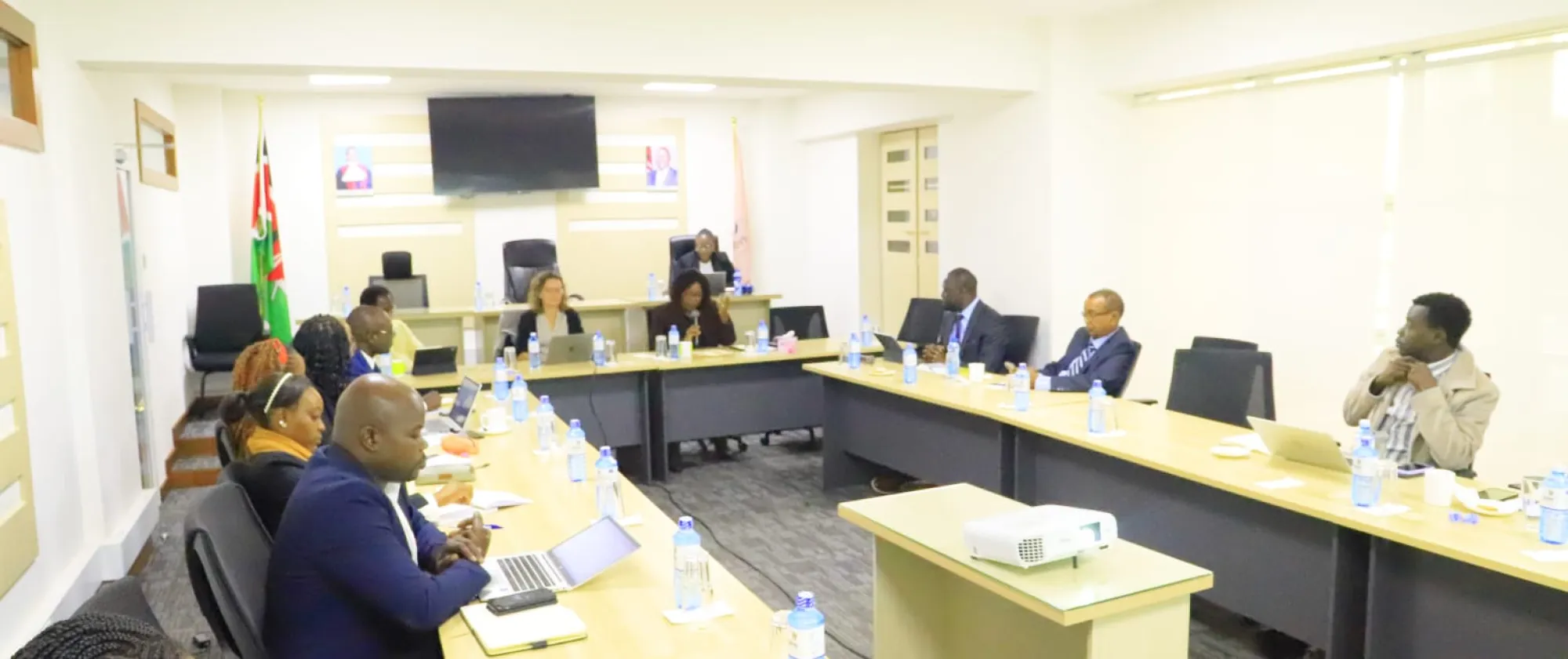
A roundtable dialogue on Refugee Workplace Inclusivity in Kenya brought together employers, civil society and development partners to discuss the private sector’s role in supporting the inclusion of refugees in the labour market. The event, held in Nairobi on 22 July, was hosted by the Federation of Kenya Employers (FKE), the Refugee Consortium of Kenya (RCK), and the Centre for Mediation in Africa (CMA) with support from the ILO.
This dialogue forms part of a broader initiative under the ILO’s PROSPECTS project funded by the Government of the Netherlands, which aims to enhance access to education, social protection, and decent work for both host communities and forcibly displaced persons. In Kenya, the Shirika Plan seeks to create an enabling environment for refugee inclusion in formal employment, while supporting social cohesion and regulatory alignment.
The roundtable built on a year-long collaboration between CMA and the ILO to build capacities of employers in Kenya on the inclusion of refugees in the labour market. As part of this work, consultations were held with 16 social actors across Kenya, including employers’ organizations, government agencies, refugee-led organisations, which identified a key policy paradox in Kenya which has a relatively advanced framework for labour migration, but remains with fragmented refugee policies, creating barriers for refugees seeking formal employment.
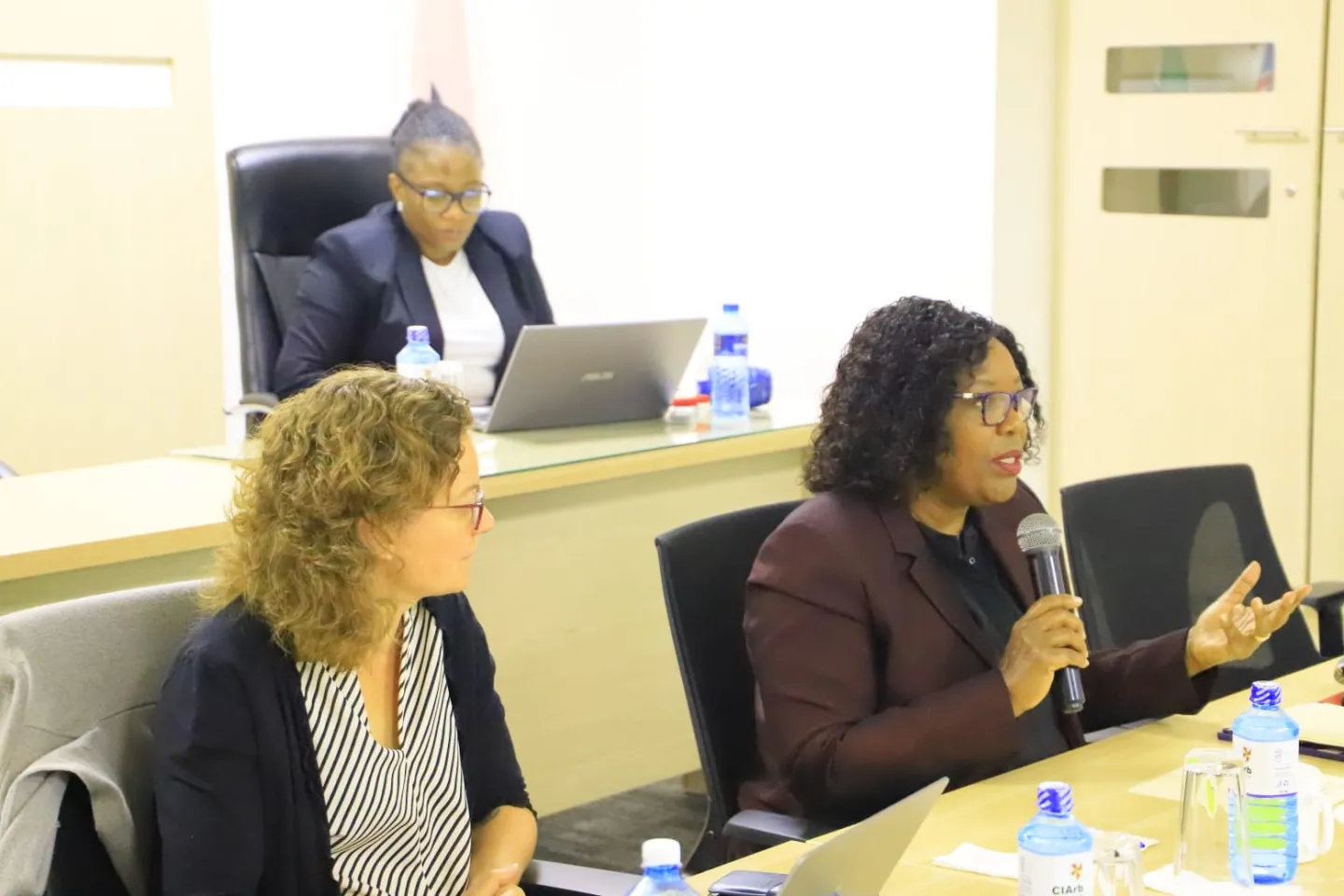
Refugees can and do contribute to local economies. With the right support, their inclusion is not only a social imperative but an economic opportunity. Ms. Jacqueline Mugo, Executive Director and CEO of FKE and President of the International Organisation of Employers.
Employers’ organizations and their members were identified as central actors in addressing this gap. They have the power to influence inclusive workplace practices, advocate for policy clarity, and support smooth integration while ensuring alignment with national labour laws. Their proactive role can also help mitigate risks related to social tension or conflict, by strengthening workplace cohesion and social stability.
Professor Cori Wielenga, Director of CMA, reinforced the importance of employer leadership in shaping the future of the Shirika Plan and in anticipating the short to long term implications of this integration process.
There was strong consensus among participants that the private sector will and should play a pivotal role in the successful rollout of the Shirika Plan. To support this, three key priority areas were identified:
- Clarifying the Shirika Plan for business: including what it means for employers in practical terms.
- Supporting workplace cohesion: helping businesses prepare for and manage the social and operational dimensions of refugee inclusion.
- Strengthening employer readiness: through workforce planning, legal compliance and inclusive HR practices.
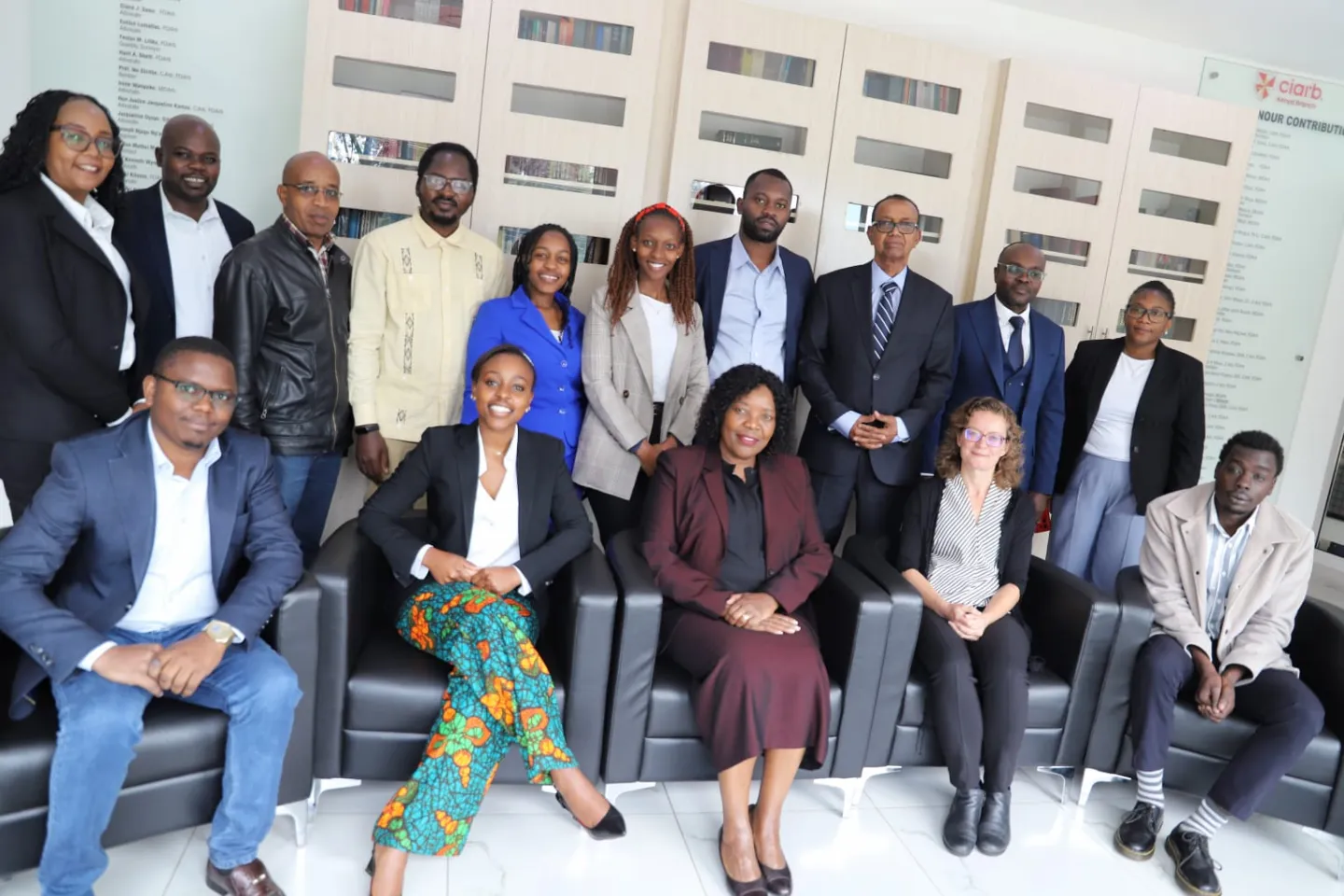
Going forward, the FKE, RCK and CMA with support from the ILO will lead targeted engagements with employers and business associations across various sectors. These engagements will focus on equipping employers with tools for conflict resolution and inclusive workplace management, providing practical guidance on how to support refugee workers while maintaining productivity and cohesion, and supporting alignment with Kenya’s legal and policy frameworks.
By engaging early and proactively, employers can help shape a more inclusive and stable future of work – and ensure that refugee inclusion becomes a shared opportunity for business, workers and society.