


Sector portal
Fishing
Over 58 million people are engaged in the primary sector of capture fisheries and aquaculture. Of these, approximately 37 percent are engaged full time, 23 percent part time, and the remainder either occasional fishers or of unspecified status. Over 15 million are working full-time on board fishing vessels.
Fishing is one of the most challenging and hazardous occupations ILO is working to ensure decent work for all fishers. The ILO’s international labour standard concerned specifically with work on board fishing vessels is the Work in Fishing Convention, 2007 (No. 188). This Convention demonstrates the renewed commitment by the ILO to ensure decent work in fishing. It aims to ensure decent conditions of work with regard to minimum requirements for work on board; conditions of service; accommodation and food; occupational safety and health protection; medical care and social security. A major effort is underway in the ILO to achieve widespread ratification and implementation of the Convention. Convention No. 188 is a valuable tool for addressing issues concerning migrant fisher and eliminating forced labour and child labour in the fishing sector.

Partnership for Decent Work in Fisheries
The Partnership for Decent Work in Fisheries offers a coordinated, structured framework that unites global actors to drive and support the collective effort toward wider ratification and implementation of Convention No. 188.
Meeting of experts on guidelines for fair labour market services for migrant fishers
Taking place from 27-31 October 2025, the meeting will be to discuss and adopt guidelines for fair labour market services for migrant fishers.
Key resources
- Guidelines on the medical examination of fishers
- Guidelines on flag State inspection of working and living conditions on board fishing vessels
- Guidelines for port State control officers carrying out inspections under the Work in Fishing Convention, 2007 (No. 188)
- Guidelines on Fair Treatment of Seafarers Detained in Connection with Alleged Crimes
- ILO training package on inspection of labour conditions on board fishing vessels
- Handbook for improving living conditions on board fishing vessels
- Training Manual on the Implementation of the Work in Fishing Convention, 2007 (No. 188)
- Safety Recommendations for Decked Fishing Vessels of Less than 12 metres in Length and Undecked Fishing Vessels (FAO/ILO/IMO)
- The making of the Work in Fishing Convention, 2007 (No. 188) and Recommendation, 2007 (No. 199)
- ILO Handbook for the detection of forced labour in commercial fishing - Towards freedom at sea
- The flexibility clauses of the Work in Fishing Convention, 2007 (No. 188)
- Guideline to undertake a comparative analysis of the Work in Fishing Convention, 2007 (No. 188)
- ILO Frequently Asked Questions: Work in Fishing Convention, 2007 (No. 188)
- ILO/IMO/WHO International medical guide for ships
- Meeting of experts on guidelines for fair labour market services for migrant fishers
- Joint ILO–IMO meeting to adopt guidelines for Medical Examination of Fishers/Fishing Vessel Personnel
- Tripartite Meeting on issues relating to Migrant Fishers
- International Conference on Labour Exploitation in the Fishing Sector in the Atlantic Region
- Meeting of Experts to Adopt Flag State Guidelines for the Implementation of the Work in Fishing Convention
- Second Regional Meeting on the Protection of Migrant Fishers: ASEAN Review of ‘Guidelines on Flag State Inspection of Working and Living Conditions on Board Fishing Vessels
- Global Dialogue Forum for the Promotion of the Work in Fishing Convention, 2007 (No.188)
- Tripartite Meeting of Experts to Adopt Port State Control Guidelines for Implementation of the Work in Fishing Convention, 2007 (No. 188)

Database on reported incidents of abandonment of seafarers
Data and statistics
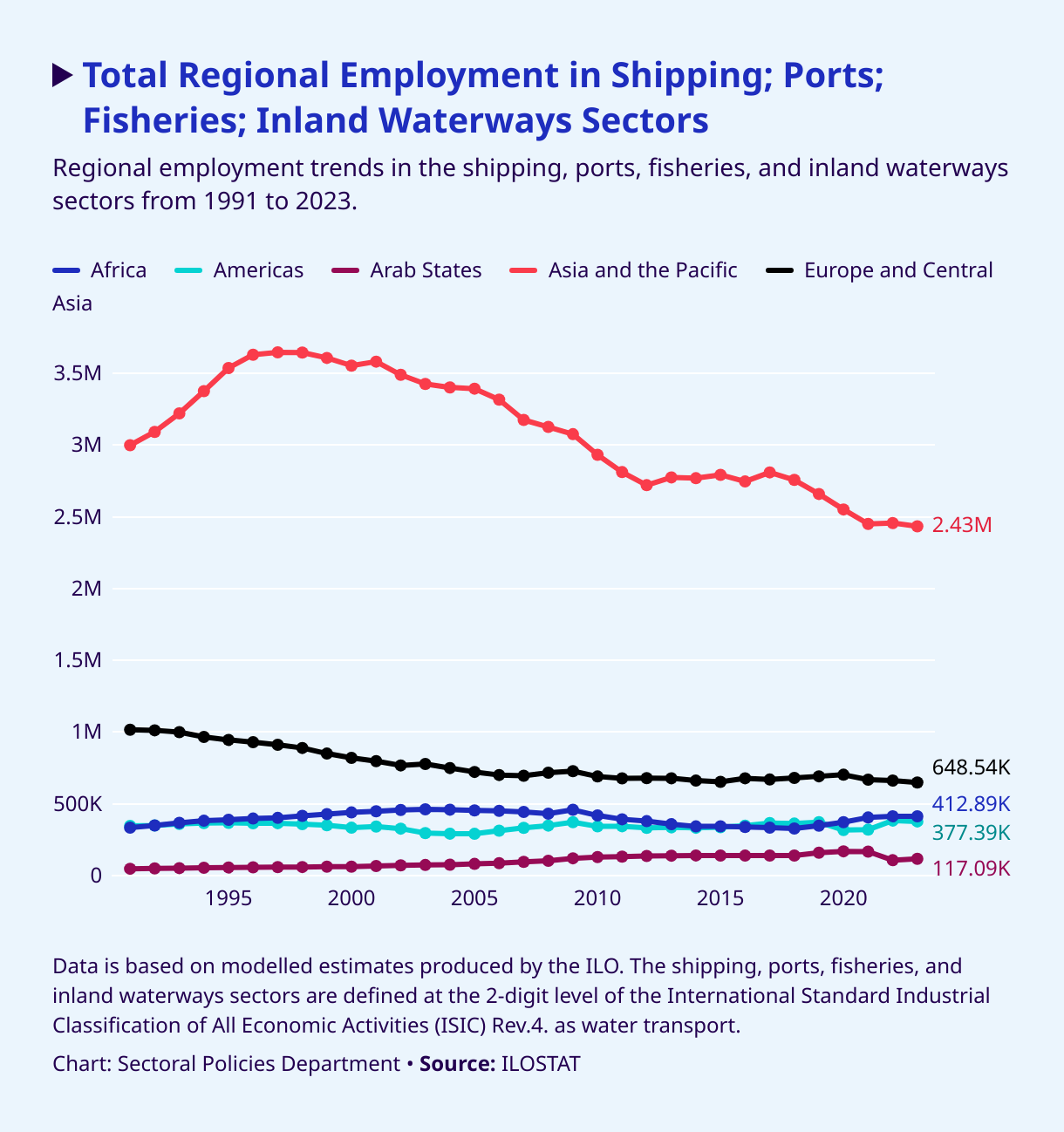
The line graphs show a time series of modelled global and regional employment estimates at the sectoral level. The ILO modelled estimates generally cover 189 countries, offering a comprehensive set of internationally comparable labour statistics. These include both reported data and imputed figures for countries with missing information. The imputations are generated using econometric models developed by the ILO.
For more detailed labour market indicators and country-level data, visit the Sectoral Employment Statistics page of the ILOSTAT database.
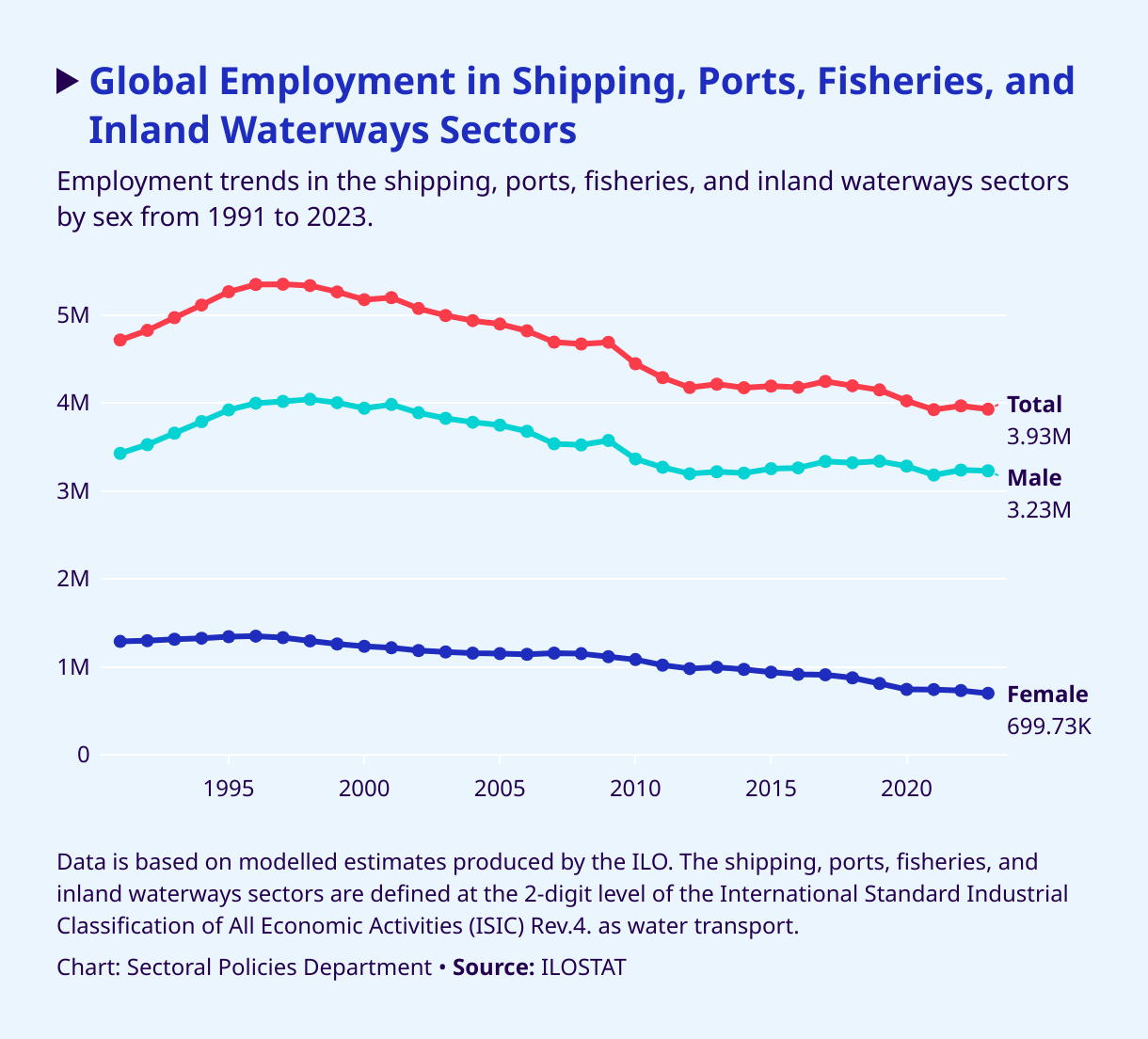
The line graphs show a time series of modelled global and regional employment estimates at the sectoral level. The ILO modelled estimates generally cover 189 countries, offering a comprehensive set of internationally comparable labour statistics. These include both reported data and imputed figures for countries with missing information. The imputations are generated using econometric models developed by the ILO.
For more detailed labour market indicators and country-level data, visit the Sectoral Employment Statistics page of the ILOSTAT database.
News and stories

Promoting labour standards in seafood supply chains
ILO calls for stronger labour protections in global fisheries
Cooperatives
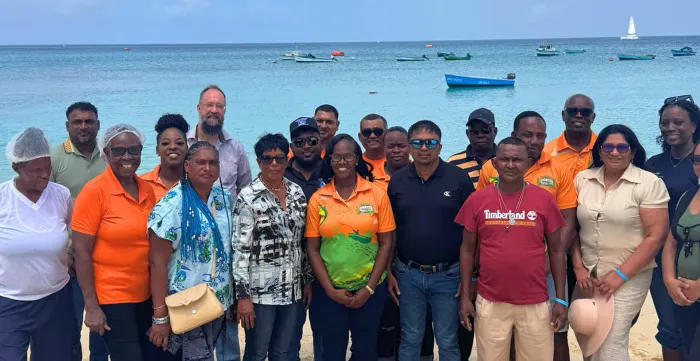
Better Together: Caribbean peer learning strengthens fisheries cooperatives
Latest publications and documents
Fifth revised edition, 2026
Compendium of Maritime Labour Instruments
Labour migration
Towards fair seas: Recruitment and working conditions for migrant workers in the fishing and seafood processing sectors in South-East Asia
Joint ILO / FAO publication
Policy guidance on the elimination of child labour in fisheries and aquaculture
Projects
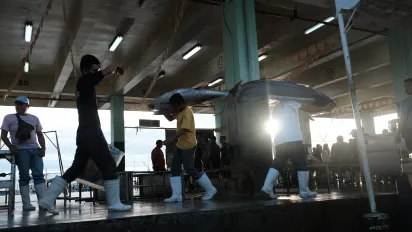
Improving resilience in the fisheries and aquaculture supply chains in Region XII of the Philippines

C188
Partnership for Decent Work in Fisheries - Promoting the ratification and implementation of the ILO Work in Fishing Convention, 2007 (No....
Labour migration
Ship to Shore Rights South-East Asia: Safe migration for decent work in the blue economy
Contact information
Sectoral Codes of Practice and Guidelines
Sectoral meetings
Conclusions and recommendations of sectoral meetings
Sign up to our newsletter!
Receive ILO news about sectoral work