

Child labour
Strengthening coffee farming communities in Viet Nam to prevent child labour
When what seems normal can still carry child labour risks.
22 December 2025
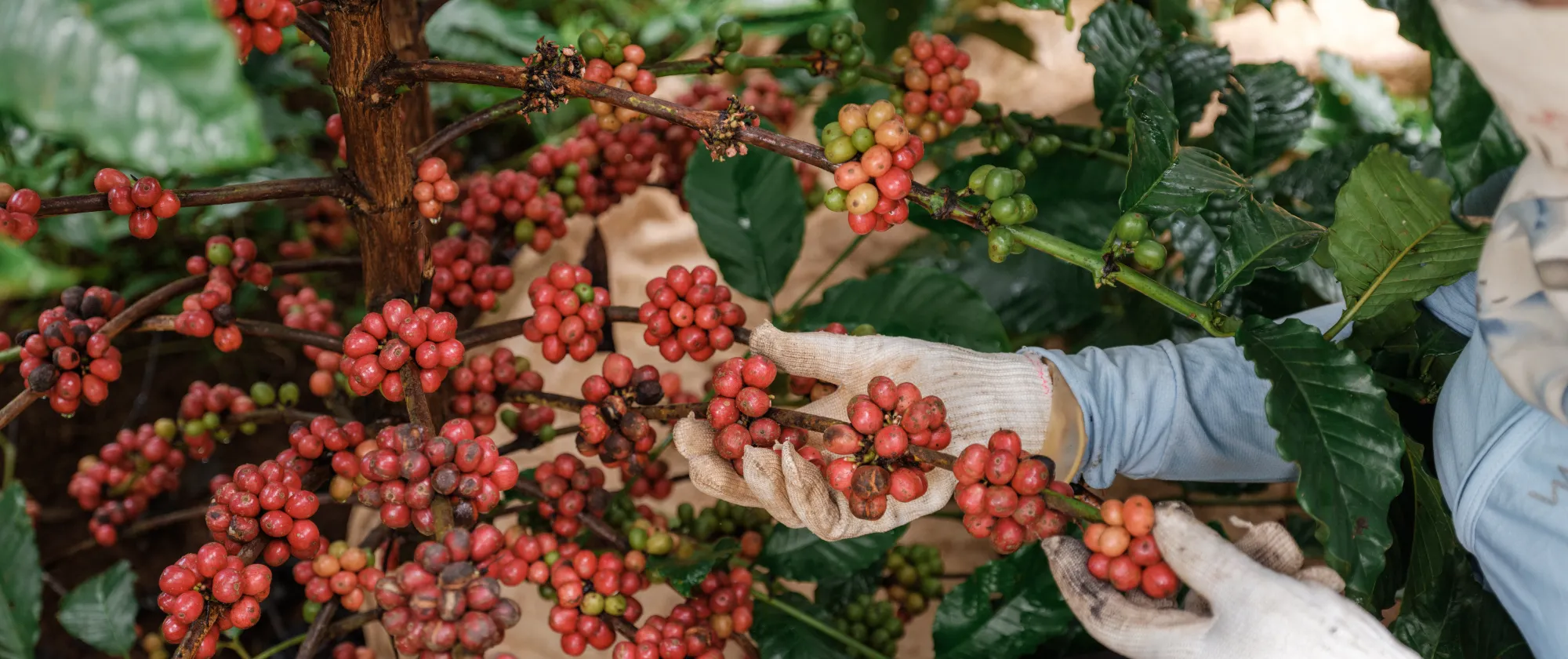
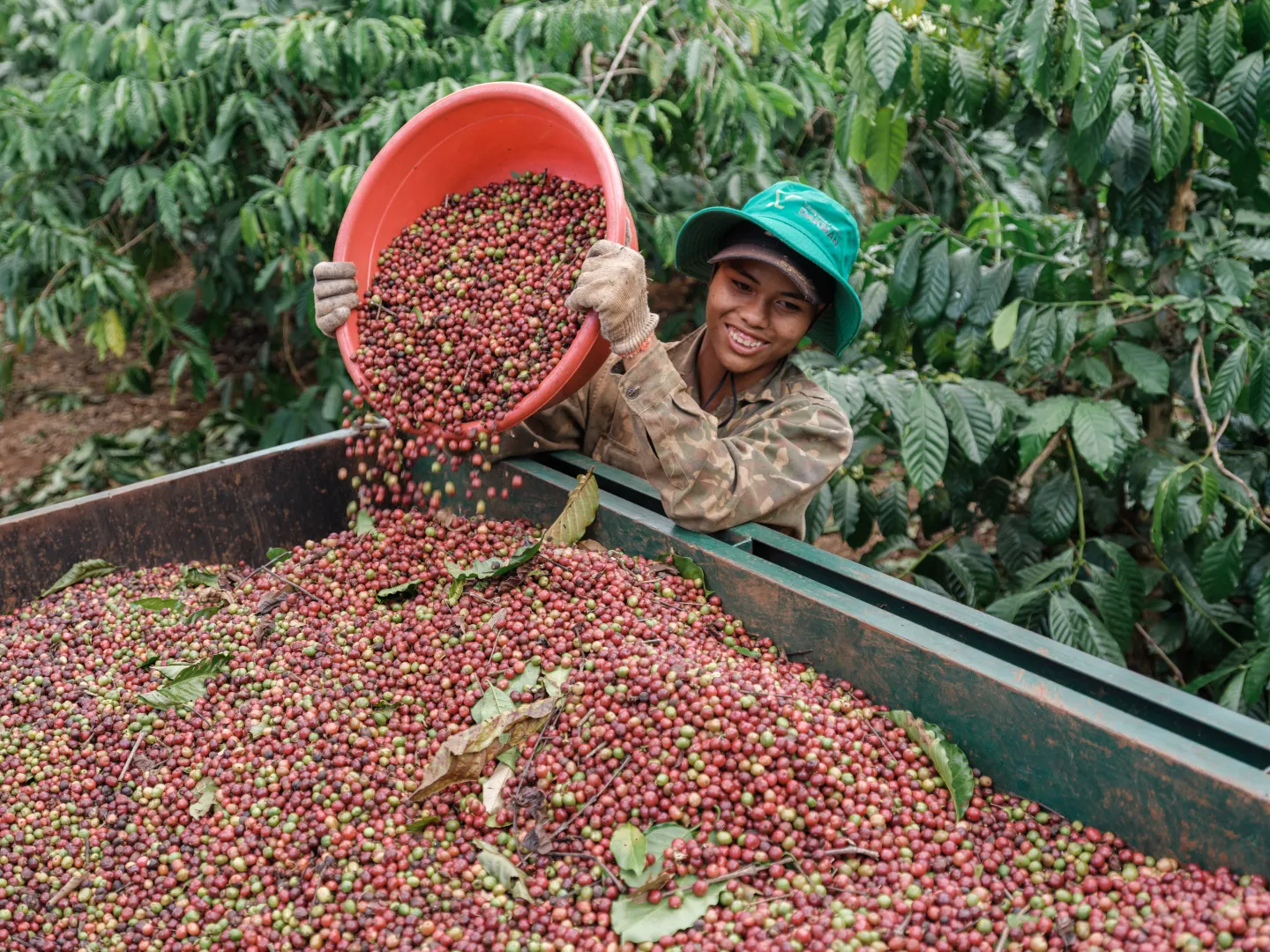
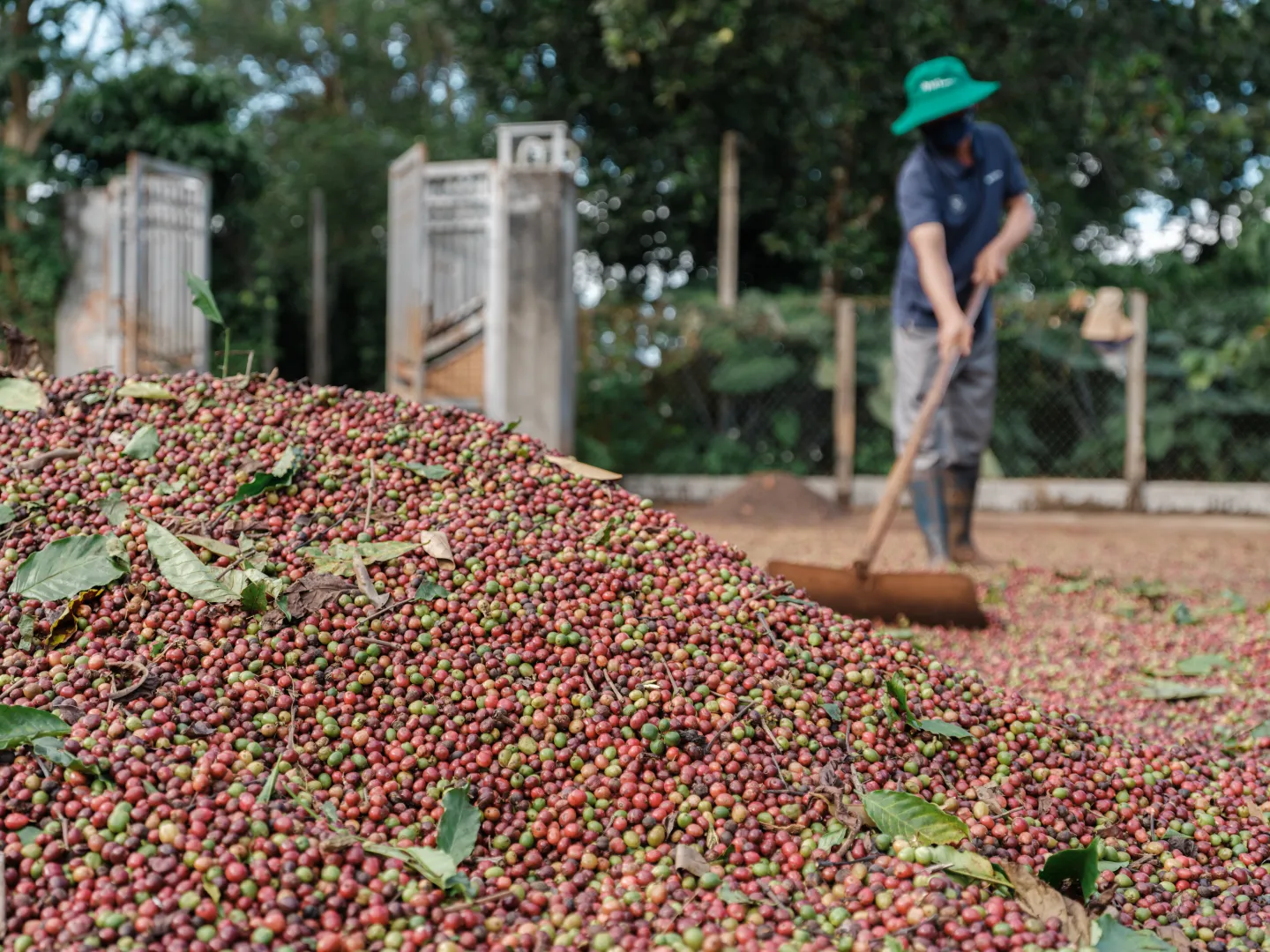
GIA LAI (ILO News) - “We all work hard because we want life to be better for our children,” said Mr. Tran Van Vinh, a coffee farm owner in Gia Lai province in the Central Highlands as he reflected on how this year’s harvest season has unfolded.
A few months earlier, Vinh joined a capacity building session on Child Labour Due Diligence (CLDD) delivered by the ILO CLEAR Supply Chains project. The training did not prescribe a fixed checklist. Instead, it encouraged farm owners to look more closely at everyday situations and understand how child labour risks can unintentionally emerge during the busy harvest period.

Each year, seasonal workers, many from ethnic minority communities, travel to the Central Highlands with their families. Bringing children along is often the only practical arrangement.
Before the CLDD training, Vinh admitted he rarely questioned familiar situations on coffee farms, such as a teenager helping carry heavy sacks of coffee cherries or assisting adults with tasks that require strength and endurance. “We grew up thinking that if a teenager can help, they should help,” he said. “But I never thought about how some of these tasks could actually be hazardous for them. And against the law.”
The training encouraged farmers to reconsider these everyday moments. It focused on raising awareness – helping participants understand why some common practices could unintentionally put children at risk or lead to confusion about roles and responsibilities on a farm. For Vinh, this shift in perspective was meaningful. “It made me think more carefully,” he said. “Not because families are doing anything wrong, but because clarity helps everyone feel safer.”
Since participating in the training, Vinh has tried to communicate more proactively with worker families. When new groups arrive, he takes a moment to explain which parts of the farm are safe for children and which areas, such as those with dangerous tools, machinery or chemicals, should be avoided. He also speaks gently with parents about keeping children away from work tasks, even very small actions like helping move harvested cherries. “Parents often believe a small task is harmless,” he said. “I used to think the same. Now I try to explain why we must be more careful.”
These conversations are not always easy. Families move frequently, childcare options are limited, and everyone is focused on earning enough during the short harvest window. Balancing these realities while encouraging safer practices remains one of Vinh’s ongoing challenges. Progress is gradual, but the awareness gained from the CLDD training has given him more confidence and empathy in these discussions.
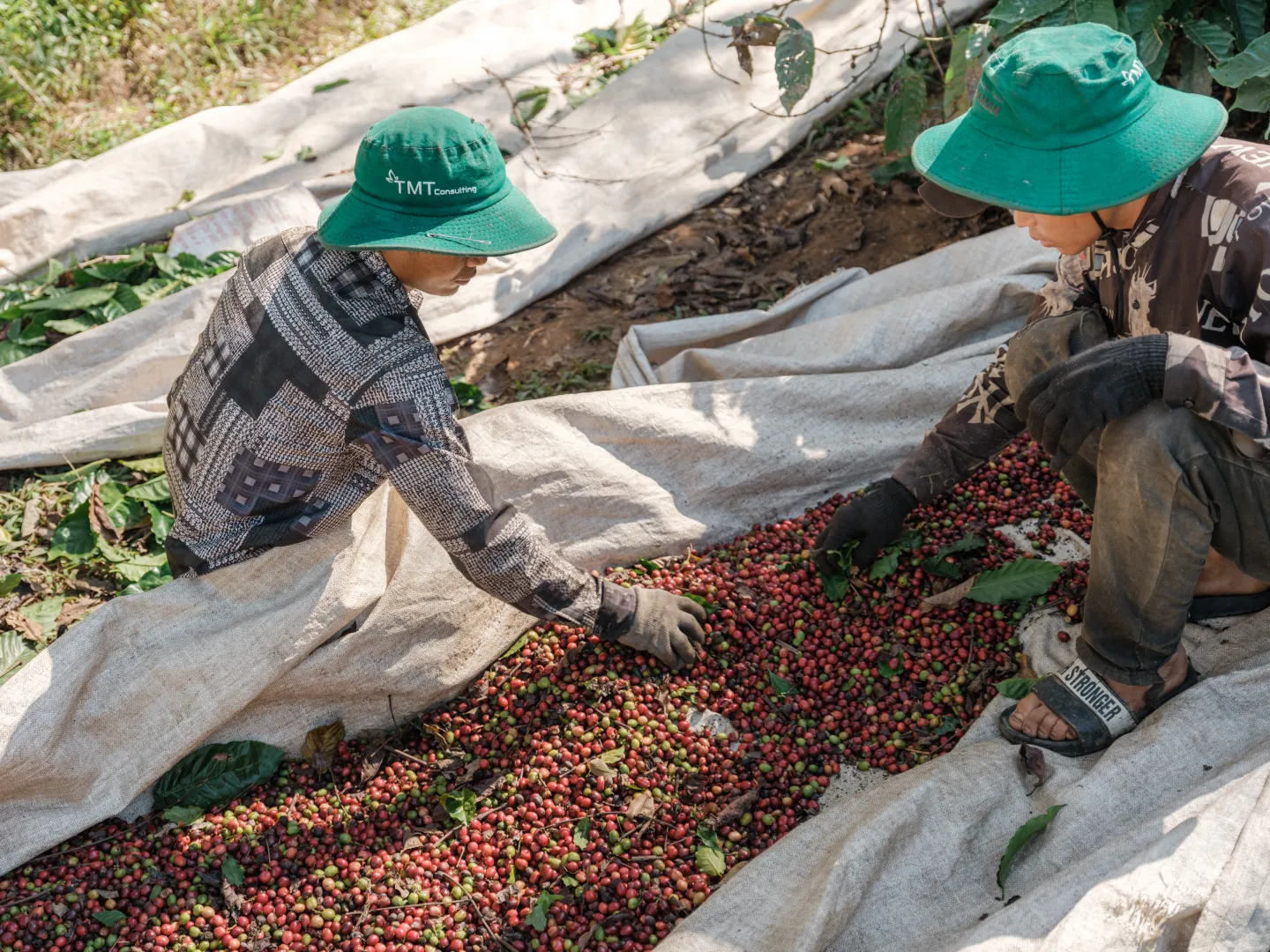
Vinh also recognises that his efforts are only one part of a broader, long-term approach. In Viet Nam the CLEAR Supply Chains project focuses on strengthening understanding of child labour risks and consequences within the coffee supply chain and supporting coffee cooperatives, farm owners and local actors to put CLDD into practice. Through training, awareness-raising and improved communication tools, the project contributes to the broader ILO Decent Work agenda by preventing and addressing child labour and promoting safer working environments in the coffee supply chain. For farm owners like Vinh, this support provides a practical foundation to prevent risks, even as the realities of harvest season remain complex.
Looking ahead, he hopes the international organizations, like the ILO, and sustainable coffee programmes can continue providing practical guidance and more opportunities for farmers and farm owners to exchange experiences, both within cooperatives and with local authorities. His expectations are modest and aligned with CLEAR Supply Chains’ approach: more awareness sessions to reinforce knowledge, more dialogue so farmers can learn from one another, and complementary support for families so children can stay in school while parents’ work. “Farm owners need information,” he said, “but families also need support. It all goes together.”
Before returning to his work, Vinh reflected on the season. “It’s hard,” he admitted. “But we’re learning to do better.”
In the Central Highlands, that steady, deliberate effort may be the most important step of all, a reminder that even small actions, when shared across many farms, can help build a safer and more responsible coffee supply chain.
You may also be interested
Country portal
Viet Nam

Child labour
CLEAR Supply Chains: Ending child labour in supply chains
Child labour
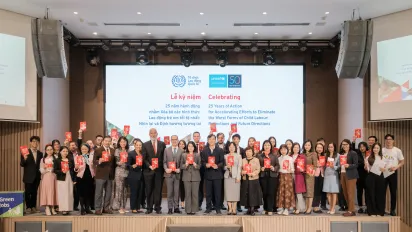
Viet Nam marks 25 years of action to eliminate the worst forms of child labour

ASEAN launches new regional roadmap to prevent child labour

Child labour
Viet Nam’s child labour action plan launched

Child labour statistics
Viet Nam National Child Labour Survey (NCLS) 2018 - Key findings

Viet Nam National Child Labour Survey 2012 - Report
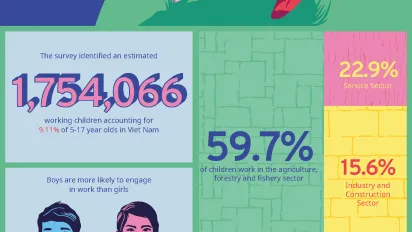
Infographics: Second Viet Nam National Child Labour Survey
Relevant projects
Child labour
CLEAR Supply Chains: Ending child labour in supply chains
Ship to Shore Rights South East Asia - Indonesia
Migrant workers
Ship to Shore Rights South East Asia (SEA)