

Violence and Harassment Convention, 2019 (No. 190)
Uzbekistan moves toward a safer working environment with a training on preventing violence and harassment
Labour inspectors and social partners in Uzbekistan build practical skills to prevent and respond to workplace violence and harassment at ILO training.
26 September 2025
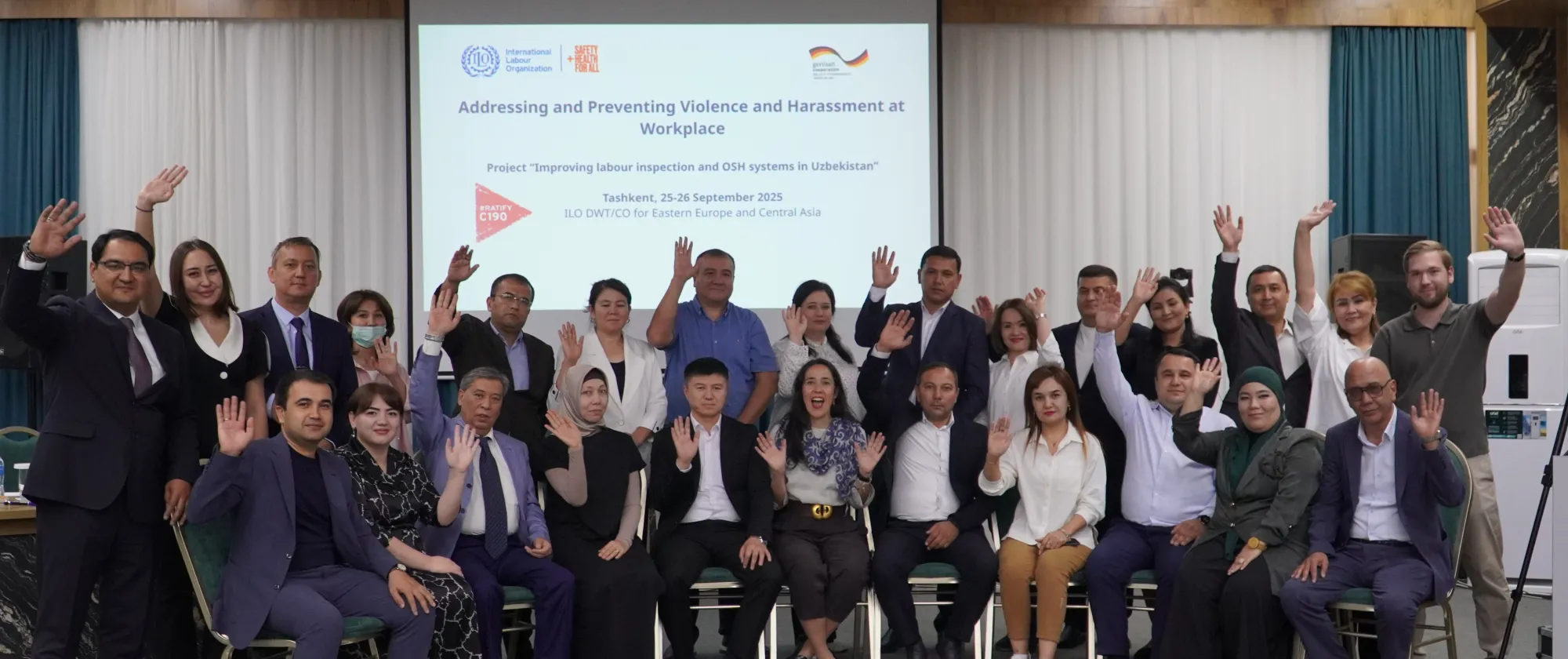
TASHKENT (ILO News) - Uzbekistan continues to strengthen labour protection by building national capacity to prevent violence and harassment in the world of work. Organized by the International Labour Organization (ILO), a two-day training on practical implementation of Violence and Harassment Convention (No. 190) and its accompanying Recommendation (No. 206) brought together representatives of the State Labour Inspectorate, the Confederation of Employers and the Federation of Trade Unions of Uzbekistan.
Building the capacity of labour inspectors and social partners
The training aimed to enhance the ability of labour inspectors, social partners and occupational safety and health (OSH) specialists to identify, prevent and respond to cases of violence and harassment in the world of work.
“This workshop is an important step towards integrating international standards into inspection practice. It is crucial for us not only to detect violations, but also to build a culture of prevention in workplaces,” said Utkir Tursunboev, Lead Specialist of the State Labour Inspectorate at the Ministry of Poverty Reduction and Employment of the Republic of Uzbekistan.
Significance of ILO instruments
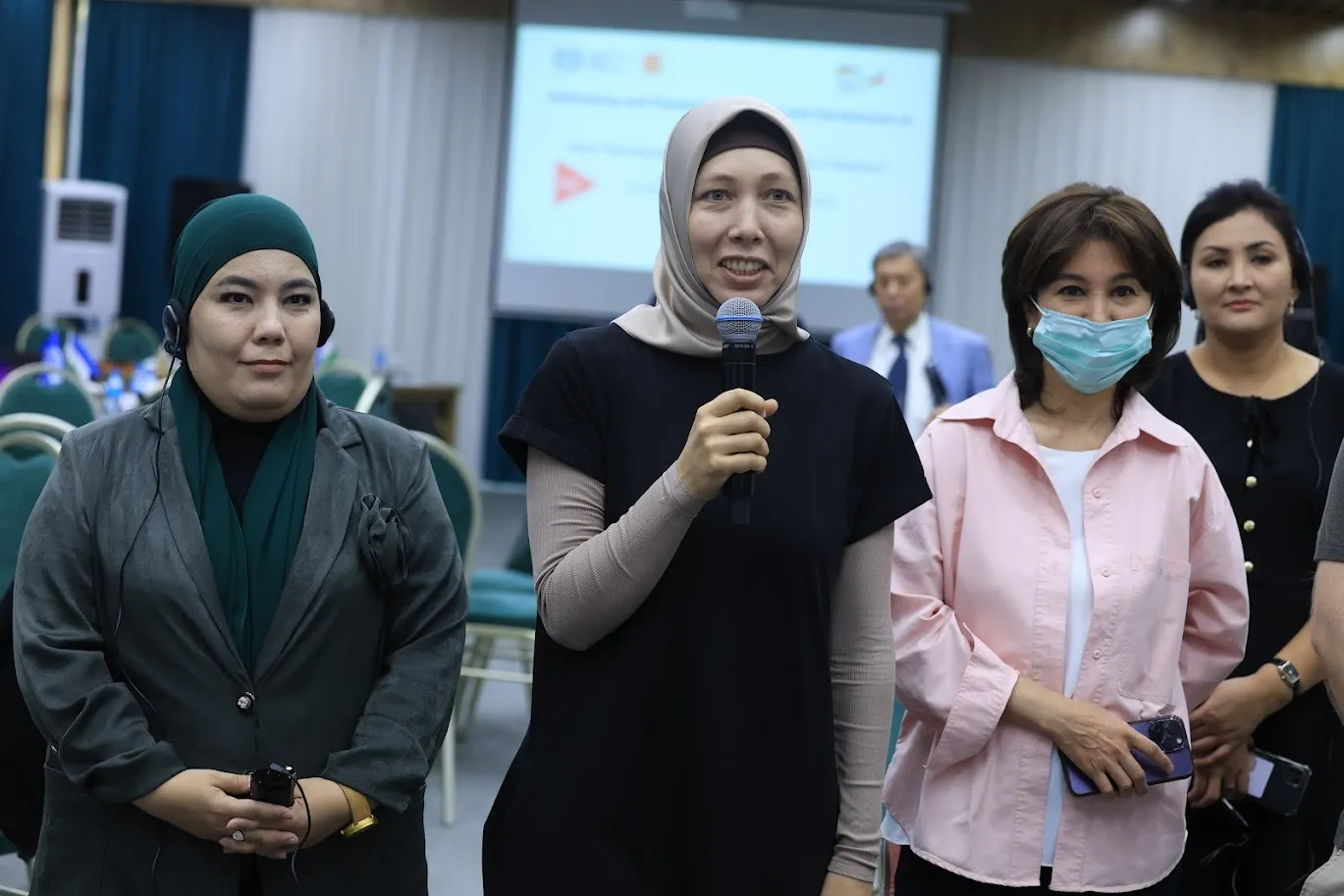
Adopted in 2019, ILO Convention No. 190 and Recommendation No. 206 are the first international instruments to recognize everyone’s right to a world of work free from violence and harassment. For Uzbekistan, they are central to advancing decent work and gender equality.
“Employers are interested in creating a safe corporate culture. Such training helps companies introduce preventive mechanisms and build workers’ trust, which ultimately contributes to business efficiency and sustainability,” said Gavkhar Isamutdinova, representative of the Confederation of Employers of Uzbekistan.
The importance of a joint approach
“For trade unions, training of this kind is an opportunity to better protect the rights of workers and vulnerable groups, and to promote social dialogue. We share the view that safety and respect must become an integral part of labour relations,” said Sardor Salahutdinov, representative of the Federation of Trade Unions of Uzbekistan.
International cooperation and experience
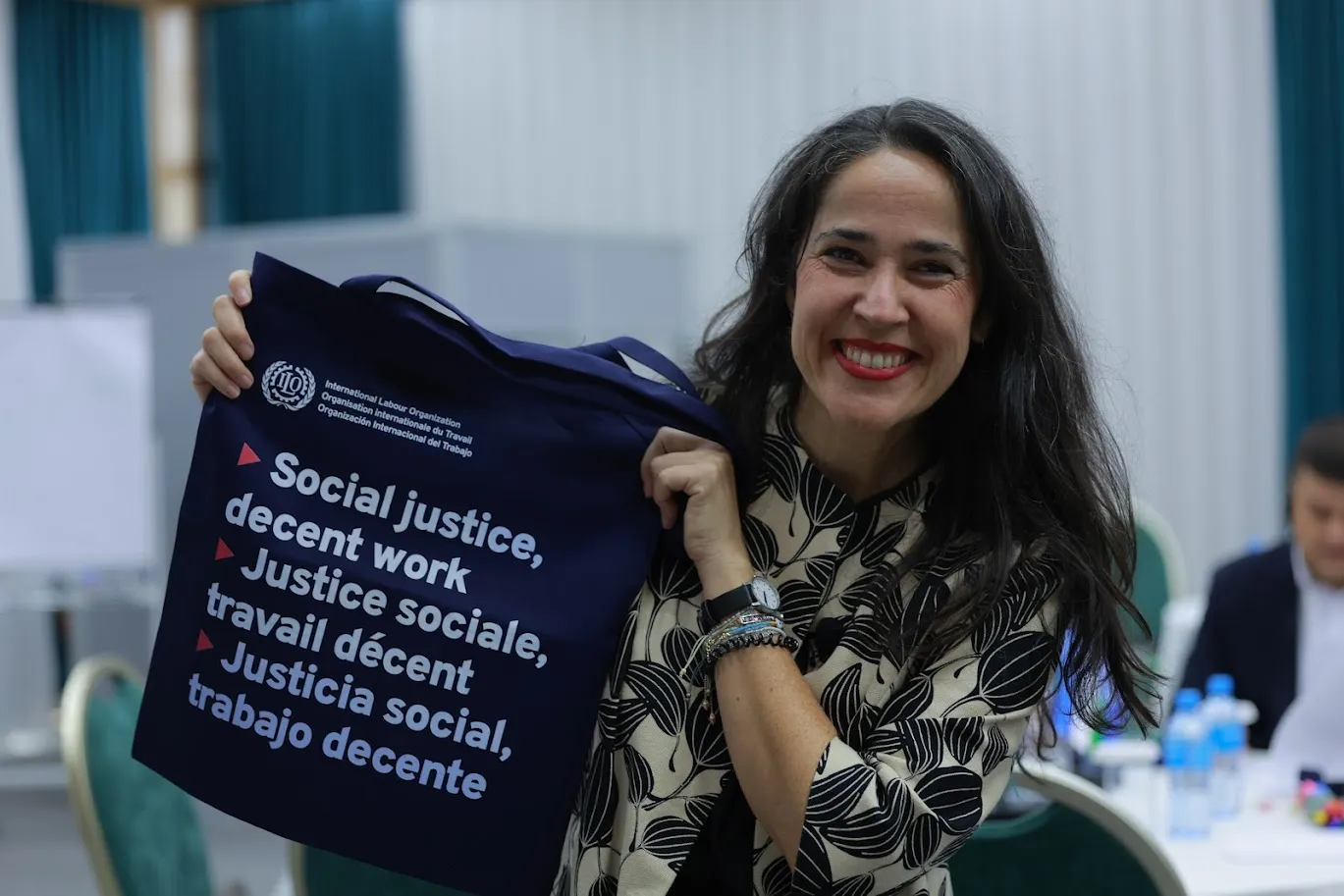
The training was designed and delivered by ILO consultant Helena Perez Vazquez. Tailored to the national context, the course addressed topics that remain highly relevant and are closely linked to the country’s social agenda. Building on the outcomes of the ILO conference on ‘’Transforming business practices through gender equality and responsible business conduct’’ in May last year, the two‑day workshop further strengthened the business community’s understanding of how to prevent and respond to workplace violence and harassment.
“Uzbekistan is demonstrating strong commitment to reform. This training not only transfers knowledge, but also builds national capacity for the systemic implementation of Convention No. 190,” said Alisher Khusainov, National Coordinator of the project “Improving labour inspection and occupational safety and health systems in Uzbekistan.”
Practical outcomes and certification
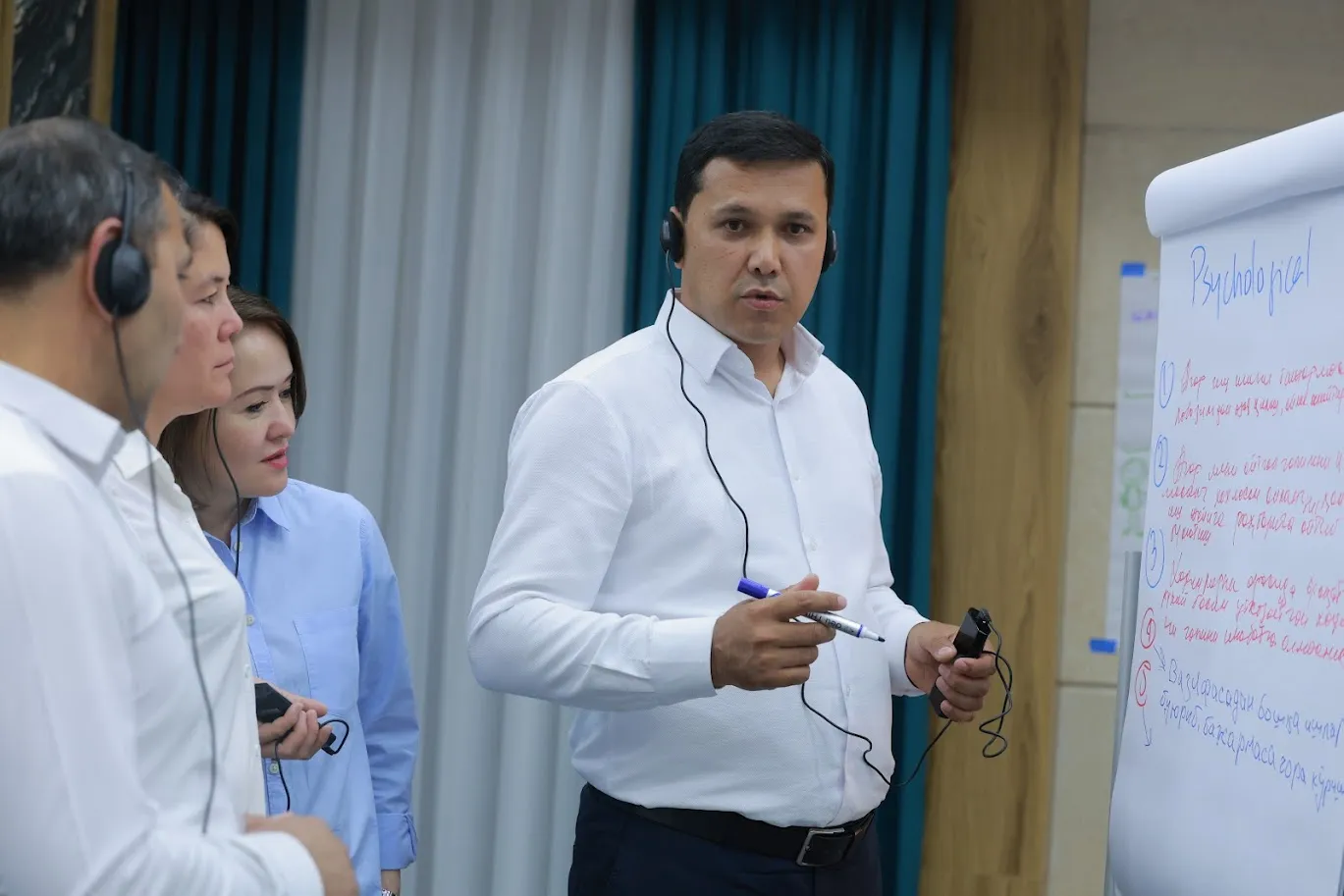
The training concluded with a practical session where participants analyzed real‑life situations from their professional experience and practiced response algorithms through simulated cases. All participants received methodological materials for use in corporate training programmes and for strengthening preventive measures in workplaces. Upon completion, participants were awarded certificates of participation.
The event forms part of the ILO’s broader efforts to promote a culture of decent work and to strengthen national occupational safety and health and labour inspection systems in Uzbekistan. It was organized within the ILO project “Improving labour inspection and occupational safety and health systems in Uzbekistan” under the flagship programme “Safety + Health for All” supported by Germany’s Federal Ministry for Economic Cooperation and Development (BMZ), as well as with financial support from the Swedish International Development Cooperation Agency (SIDA) and in partnership with the tripartite constituents in Uzbekistan. BMZ’s support includes financing and strategic assistance for reforming the OSH system and strengthening national specialists’ competencies to ensure long‑term change.
Related content
Country portal
Uzbekistan
Topic portal
Violence and harassment in the world of work

Topic portal
Safety and health at work
Safety + Health for All
Improving labour inspection and occupational safety and health systems in Uzbekistan
Relevant projects
Safety + Health for All
Improving labour inspection and occupational safety and health systems in Uzbekistan