

Labour migration
Turning commitments into systems: KP2MI study visit to the Philippine Department of Migrant Workers
Indonesia draws on Philippine experience to strengthen protection systems for migrant fishers.
13 July 2026

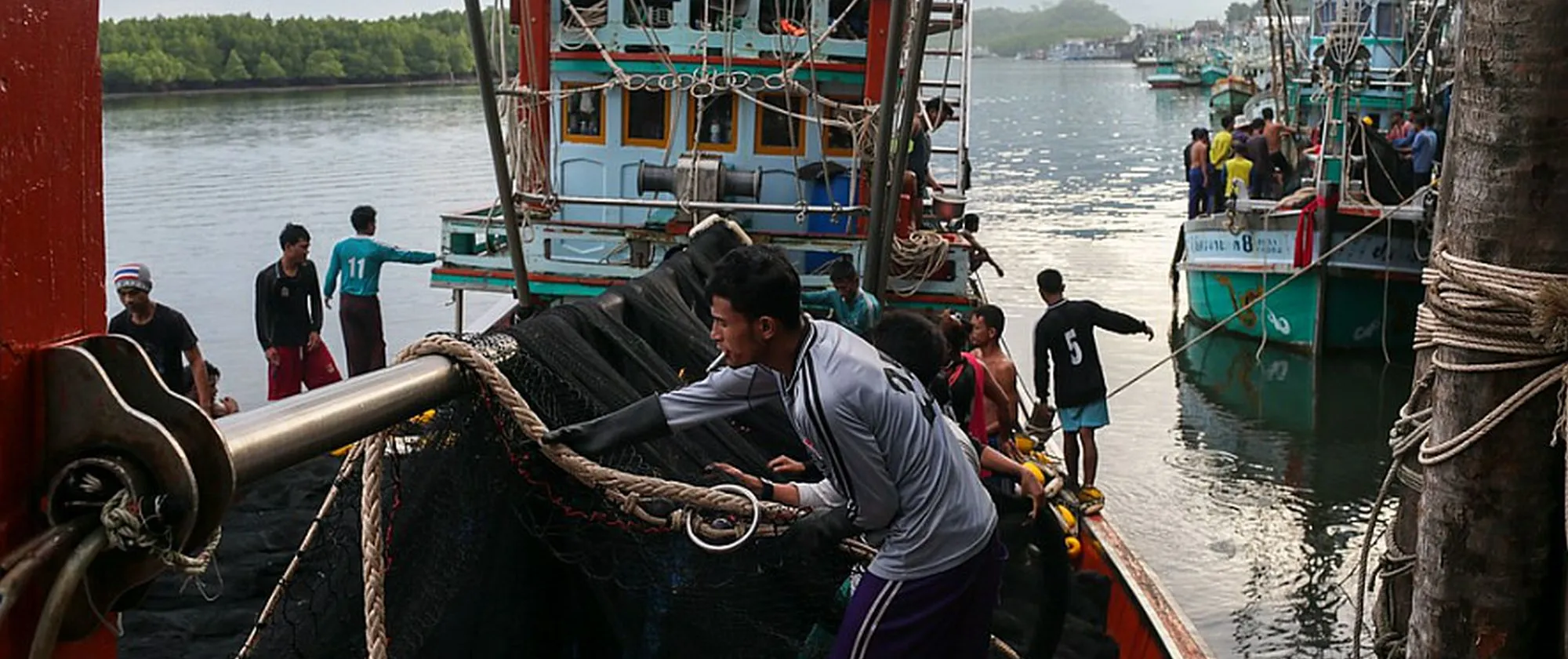
MANILA, the Philippine (ILO News) – Twelve officials from Indonesia’s Ministry for the Protection of Indonesian Migrant Workers (KP2MI) visited the Philippine Department of Migrant Workers on 30 June - 1 July 2026 to examine practical systems for protecting migrant fishers before departure, during employment abroad and upon their return to examine practical systems for protecting migrant fishers before departure, during employment abroad and upon their return.
The delegation was led by the Director for the Placement of Migrant Seafarers and Migrant Fishers and included a representative of the Coordinating Ministry for Political and Security Affairs. The visit was facilitated by the International Labour Organization (ILO) through the Ship to Shore Rights South-East Asia programme.
This visit followed Indonesia’s ratification of the ILO Work in Fishing Convention, 2007 (No. 188) through Presidential Regulation No.25 of 2026 on 1 May 2026 by President Prabowo Subianto. Indonesia became the second country in Asia to ratify the Convention.
This ratification is a special gift for our fishing crews. It marks a major first step, but our responsibility now is to ensure that every provision of the Convention is translated into real protection on board every fishing vessel, rather than remaining merely on paper.
Mukhtarudin, Minister for the Protection of Indonesian Migrant Workers, welcoming the ratification as a ‘special gift’ to the country’s fishing crews
He had a point. A convention, on the day it is ratified, changes nothing whatsoever for a fisher hauling nets two thousand nautical miles from home. Between the signature in Jakarta and the deck of that vessel lies an apparatus: licensing systems, verified contracts, welfare funds, case officers, a telephone number that is answered at three in the morning. Indonesia has now undertaken to build it.
Before the vessel sails
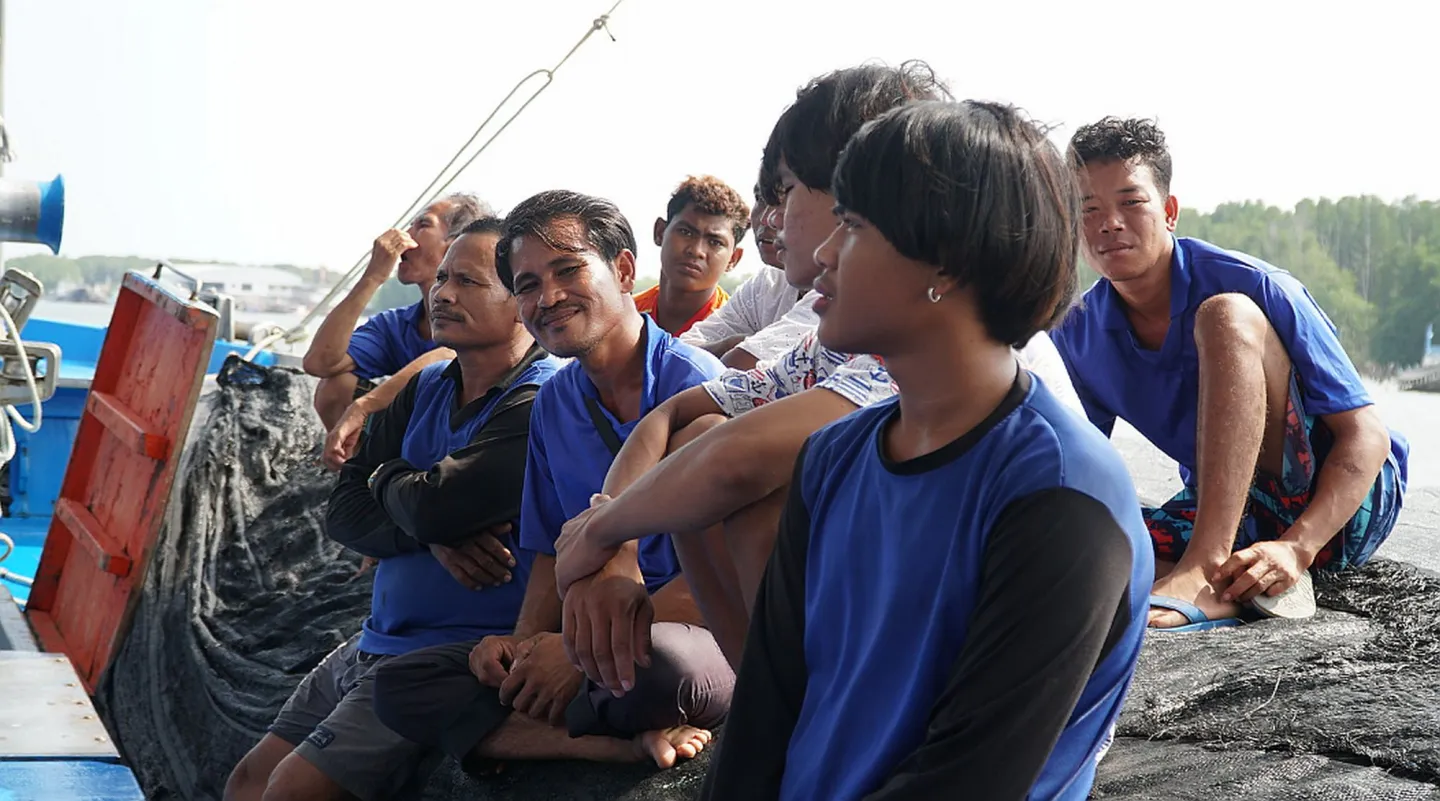
The programme followed the arc of the migration cycle, and the first day focused on protection before departure including, migration governance framework, employer accreditation, standard employment contracts, contract verification and the licensing and prosecution of recruitment agencies.
Beneath the procedure lies a principle that is simple and demanding. The participants examined how the Philippine system reviews employment contracts and employers before the worker signs it and before the departure. For migrant fishers, these measures are closely connected to the requirements of Convention No. 188, including access to a written work agreement that fisher can actually understand before joining a vessel. Discussions also considered how recruitment regulation can be supported by effective investigation and enforcement mechanisms.
While the vessel is at sea
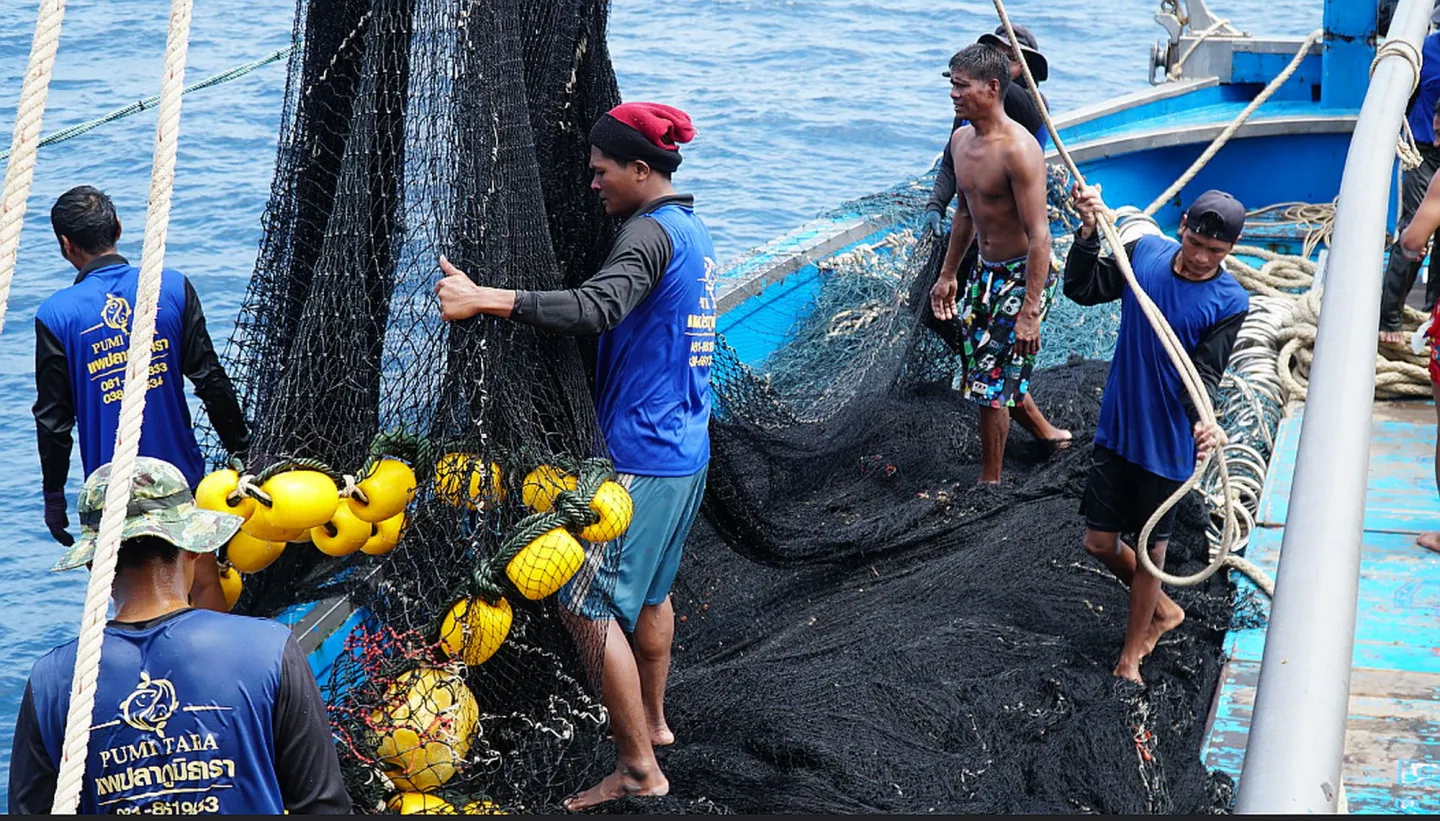
On the second day, the delegation visited the Department’s operating units and met officers responsible for providing services to migrant workers. It is one thing to be told that a mandate exists and quite another to see the desk at which it is discharged — the case officers, the queue, the filing trays, the ordinary machinery by which a distant worker’s emergency becomes somebody’s morning task. The delegates put questions to the officers who received them, the kind that only occur to you once you are standing in the room.
The sessions that followed answered a single question: when a fisher aboard a foreign vessel is in trouble, who hears about it, and what happens next? It sounds administrative. For migrant fishers, it is everything. The sessions covered welfare interventions, case management, crisis response, emergency repatriation, grievance handling, and alternative dispute resolution.
Participants discussed how clear institutional responsibilities and accessible procedures can help migrant fishers report concerns and obtain timely assistance while working abroad. In the Philippine system, a grievance has an address and a procedure attached to it. That is the difference between a right and a remedy.
We have gained valuable insights that will help us improve the governance of migrant workers, particularly migrant fishers. This knowledge will support our efforts to strengthen our regulations and systems in order to provide better protection for Indonesian migrant fishers.
Yayan Hernuryadin, Director of Placement of Indonesian Migrant Seafarers and Indonesian Migrant Fishers at KP2MI and Head of the Indonesian delegation
The final session focused on reintegration services, livelihood support and skills development, and the role of social partners in supporting returning migrant workers. Placed last on an agenda, reintegration is easily mistaken for an afterthought. It is the opposite. A worker who returns with savings but no prospects has not completed a migration cycle; he has merely paused before the next one. Coming home, on this view, is not the end of the State's responsibility but part of it.
“We thank the ILO for facilitating this knowledge-sharing visit to the Philippines Department of Migrant Workers, where we learned about the governance of migrant workers, particularly migrant fishers,” said Yayan Hernuryadin, Director of Placement of Indonesian Migrant Seafarers and Indonesian Migrant Fishers at KP2MI and Head of the Indonesian delegation. “We have gained valuable insights that will help us improve the governance of migrant workers, particularly migrant fishers. This knowledge will support our efforts to strengthen our regulations and systems in order to provide better protection for Indonesian migrant fishers.”
The knowledge-sharing visit is aligned with one of our specific objectives: to strengthen ASEAN cooperation on safe labour migration and foster dialogue among ASEAN Member States.
Albert Bonasahat, National Programme Officer for Ship to Shore Rights South-East Asia
The visit also strengthened South–South cooperation between Indonesia and the Philippines, two major countries of origin for migrant workers. It enabled officials to exchange experiences and identify practices that could inform stronger protection systems for migrant fishers in Indonesia.
“The knowledge-sharing visit is aligned with one of our specific objectives: to strengthen ASEAN cooperation on safe labour migration and foster dialogue among ASEAN Member States. It also helps national authorities design, implement and enforce legal and policy frameworks on labour migration while promoting national ownership of the initiative,” said Albert Bonasahat, National Programme Officer for Ship to Shore Rights South-East Asia.
The ILO’s Ship to Shore Rights South-East Asia: Safe Migration for Decent Work in the Blue Economy Programme is a regional effort funded by the European Union (EU) and implemented in collaboration with the International Organization for Migration (IOM) and the Food and Agriculture Organization of the United Nations (FAO). The programme promotes safe labour migration and decent work across South-east Asia’s fish and seafood supply chains.
Related content

Labour migration
Ship to Shore Rights South-East Asia: Safe migration for decent work in the blue economy
Relevant projects
Labour migration
Ship to Shore Rights South-East Asia: Safe migration for decent work in the blue economy