

Stakeholders in shea nuts service and value chain agree to appropriate pricing
12 August 2024
The Ghanaian Deputy Minister for Food and Agriculture, Mr. Mohammed Hardi Tuferu, has announced the minimum price for a kilogramme of shea nuts as agreed by stakeholders in shea nuts business
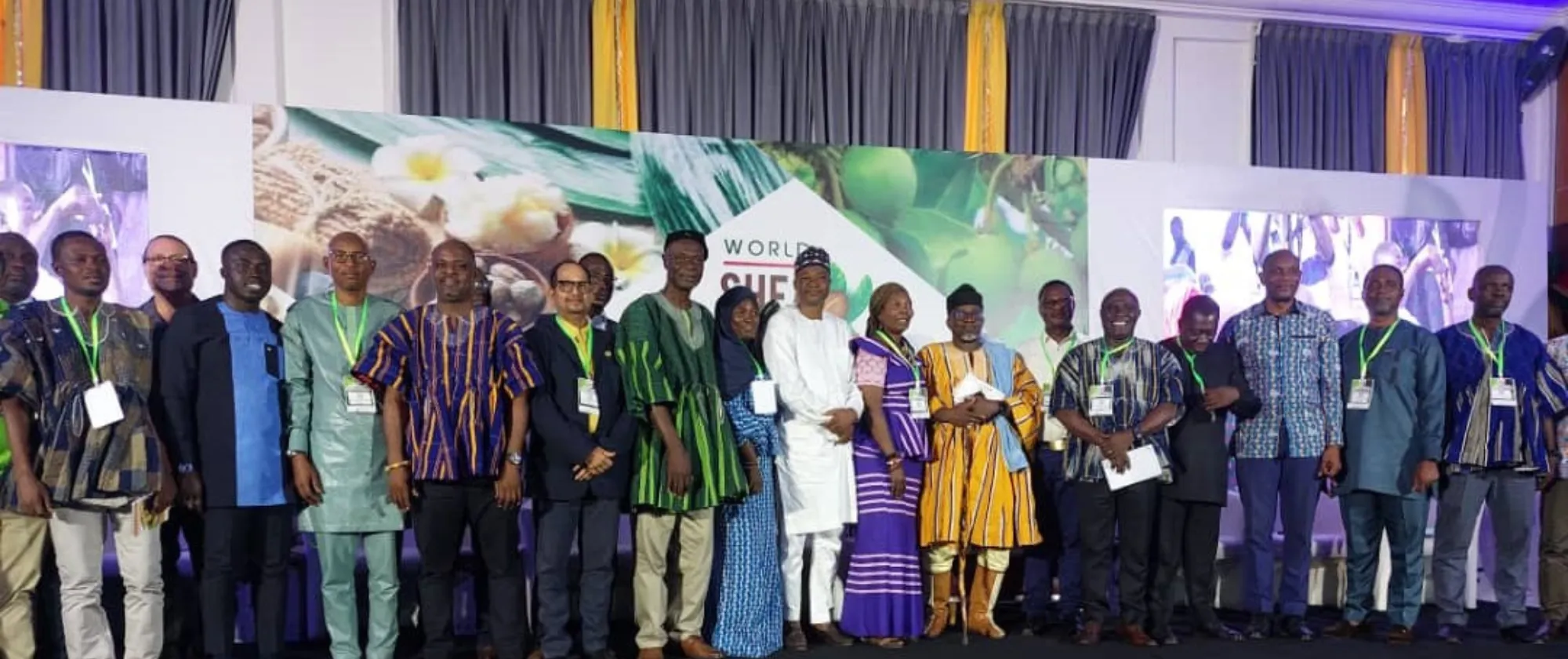
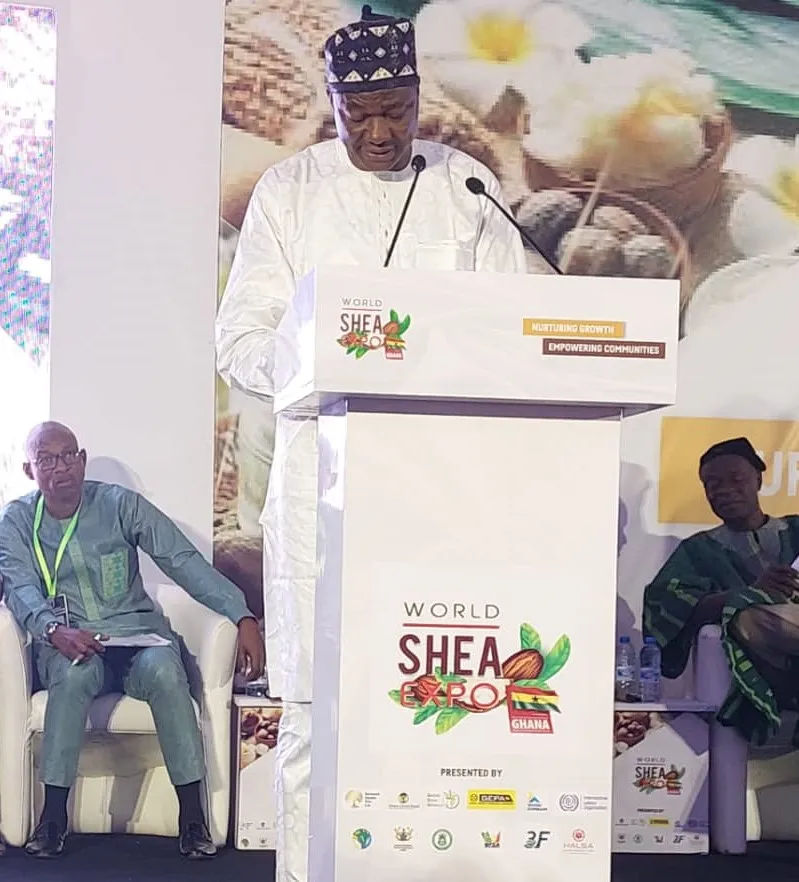
On the 9th of August 2024, the Deputy Minister for Food and Agriculture, Mr. Mohammed Hardi Tuferu, officially announced the minimum price for a kilogramme of shea nuts as GHS4.74 (USD0.30) for the 2024 shea season. This announcement resulted from over 16 weeks consultations with stakeholders in the sector through technical and financial support from the International Labour Organisation (ILO) to the Tree Crops Development Authority (TCDA).
The launch of the minimum prices took place at the end of a three-day Shea Expo from the 8th-10th August 2024, under the theme “Nurturing Growth, Empowering communities”. The expo highlighted innovations in the shea industry and created opportunities for producers to market products and network. The Government of Ghana in collaboration with the Savannah Golden Tee Limited, and the University for Development Studies organized the expo.
The Productivity Ecosystem for Decent Work project in 2022 conducted a study on shea nut and used the findings of the Shea Sector System Analysis report to inform its interventions in consultations with the ILO’s tripartite constituents. The report revealed that high price volatility at the farmgate continued to discourage upstream actors, particularly women collectors and primary processor of shea. The discouragement stood out as a significant contributor to the shea sector’s low levels of productivity. As part of the macro-level interventions, ILO partnered with the Tree Crops Development Authority (TCDA) to create a conducive policy environment to attract investment, increase productivity as well as promote decent work especially for the many workers (particularly women) within the shea service and value chain. The 16-week technical and financial support from the ILO aimed to boost the productivity and decent work outcomes for enterprises and workers operating within the shea value chain. The TCDA is a body established by an Act of Parliament, to regulate and develop in a sustainable environment, production, processing, and trading of six tree crops: Shea, Cashew, Mango, Coconut, Rubber and Oil palm in Ghana.
The TCDA, under the collaboration, facilitated the development, passage and enforcements of a pricing mechanism framework to inform yearly minimum price for a kilogramme of shea nuts. The purpose is to ensure that market price of shea nuts at the farmgate does not fall below an agreed within the value chain.
Following an extensive consultation and validation sessions with over 51 sector players including Civil Society Organisation, shea pickers and processors, Global Shea Alliance, Ministry of Food and Agriculture, the Academia and ILO social partners, they agreed on 6 parameters that informed the development of the pricing mechanism and established the minimum/floor prices for the year. The National Shea Sector Technical Working Group (NSSTWG) has validated and recommended the pricing mechanism framework for approval by the TCDA Board.
In the coming months, ILO will strengthen the Shea Employers Association and Shea Workers Union to work with the TCDA as well as civil society organisation such as the Global Shea Alliance to track the implementation of the pricing mechanism through awareness raising activities as well as farmgate monitoring. The launch of the minimum price for shea will protect women from the exploitation by intermediaries or buyers and capacitate them to negotiate better deals. It will address the gender pay gap in the sector and therefore reduce poverty among women pickers and processors, who are often among the most vulnerable populations in the Northern sector of Ghana.
The Productivity Ecosystem for Decent Work project is project of the International Labour Organisation (ILO) and funded by the Governments of Switzerland and Norway.
Relevant projects
Productivity
Productivity Ecosystems for Decent Work Project

Productivity ecosystems for decent work
Productivity Ecosystems for Decent Work Programme Ghana