


Sensitisation workshop for subnational actors on Jobagri in Ghana
4 February 2025
The International Labour Organisation (ILO), in collaboration with development partners hosted a sensitisation workshop in Techiman, Ghana, for subnational actors in the agricultural sector. Participants from various districts gathered to discuss the JobAgri project, which aims to bolster employment in the agri-food sector through better data collection and coordinated policy efforts.
The International Labour Organisation (ILO), The Food and Agriculture Organisation (FAO), and the Agricultural Research Centre for International Development (CIRAD) organized a one-day workshop to engage subnational actors in the JobAgri project. This event, held in Techiman, Bono East Region, saw the participation of 17 key stakeholders including the Regional Coordinating Director, Municipal and District Directors of Agriculture, Trader Associations, Input Dealers, Farmer Organisations, and Transport Operators.
Speaking on behalf of the Director of ILO Country Office for Nigeria, Ghana, Sierra Leone and Liberia, and Liaison Office for ECOWAS, Ms. Vanessa Phala, the National Project Coordinator underscored the importance of the JobAgri Project and indicated that the workshop was to ensure a better insight into the JobAgri Project.
He added that JobAgri is a flagship project endorsed by the African Union Commission and it is expected that based on results of the pilot being undertaken in Ghana, the project will be scaled up to become more representative across all subregions of the continent. The National Project Coordinator further mentioned that data collection was being carried out by the project and would require support from all relevant stakeholders for successful outcomes.
He finally underscored the fact that regular trainings would be provided to institutions to enable them to adopt the JobAgri methodology, further informing participants of the inauguration and ongoing engagements of the Multi Stakeholder Forum (MSF) which serves as the governance mechanism of the project.
In his opening remarks, the Chief Director / Regional Coordinating Director for Bono East, Mr. Issaka Braimah Basintale, emphasized the critical role of developing the agri-food sector in generating decent employment. He highlighted the necessity for Africa to adopt sustainable, inclusive, and prosperous development paths.
Throughout the workshop, participants delved into the policy and data components of the JobAgri project. They expressed robust support for ongoing engagement to ensure the project's objectives are met, ultimately fostering agricultural development and decent work in the agri-business sector.
Key takeaways from the workshop included the agricultural sector's potential to generate employment across various commodities and the importance of value chain jobs in enhancing food security. Participants underscored the need for improved coordination in policy implementation, broader consultations, and the inclusion of gender perspectives for effective service delivery.
Additionally, the critical role of data in agriculture and employment was a major focus. While initiatives like Planting for Food and Jobs (PFJ 1) have potential, participants noted the challenge of validating employment claims due to data gaps. Strengthening data collection and reporting systems was identified as essential for tracking employment trends and measuring policy impact.
About JobAgri Ghana: JobAgri Ghana aims to institutionalize advanced data collection in agri-food value chains by collaborating with national institutions to develop indicators and data processes that analyze the labour content of different farming systems. The project also fosters multi-stakeholder and ‘tripartite-plus’ policy dialogues to ensure coordinated solutions that maximize the agri-food sector's impact on decent work, breaking down silos between employment and agricultural policies.
Relevant projects
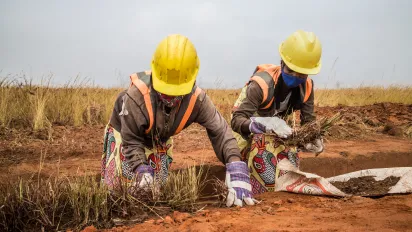
Project
JobAgri Ghana: Shaping better policies based on innovative data in agri-food sector
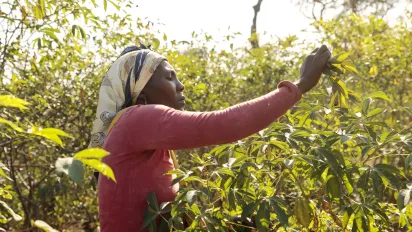
Project
JobAgri: Better employment and agricultural policies in Africa